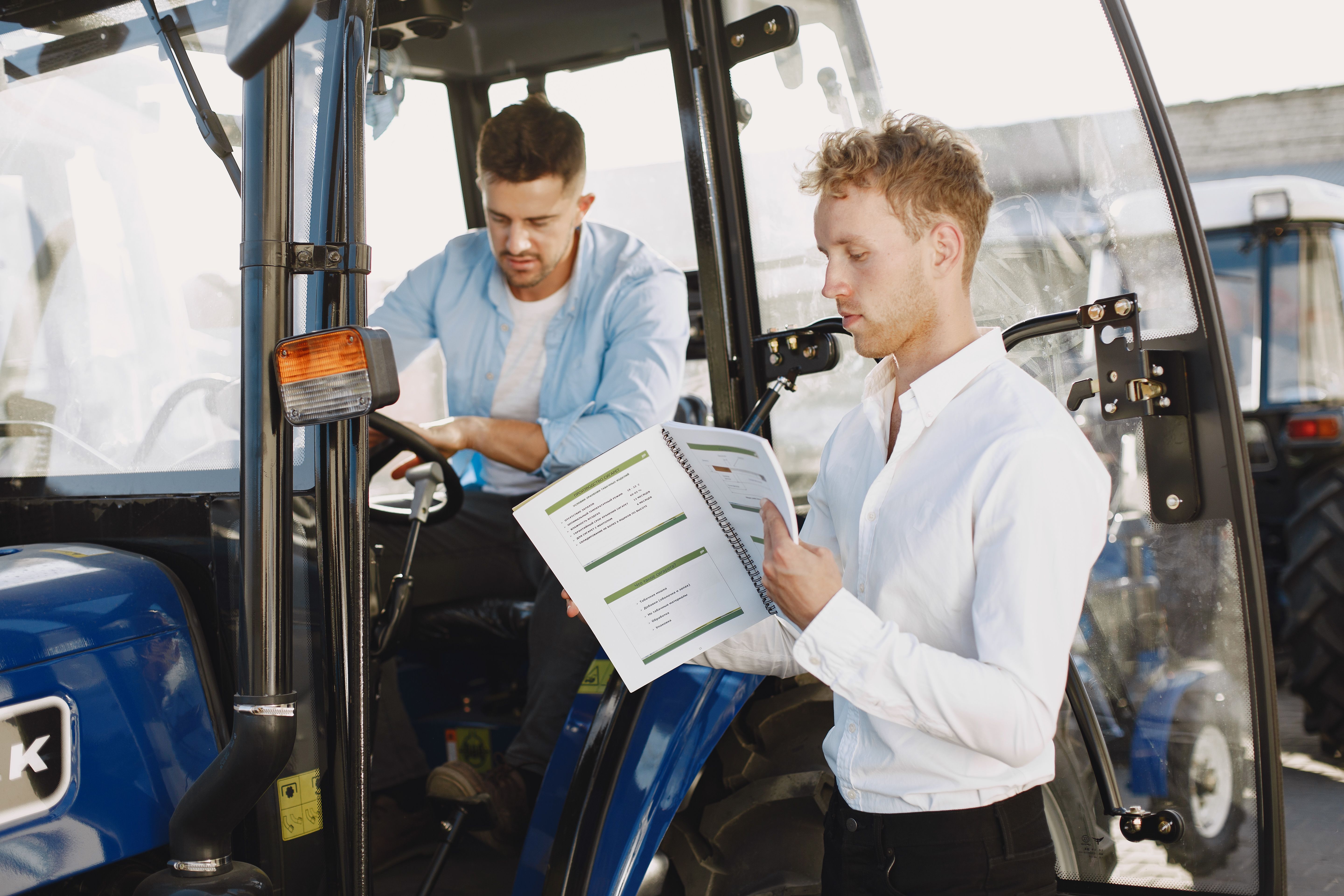
Dense, technical user guides might seem like a mere compliance checkbox during global expansion, but confusing documentation directly hits the bottom line. When an overseas operator faces a cryptic 400-page operational handbook translated word-for-word from engineers’ jargon, every unclear warning label or mismatched diagram triggers an expensive customer support ticket—or worse, equipment downtime and safety hazards.
Bridging the gap between complex engineering and everyday operational usability is where localization transforms from an expense into a measurable cost-saver.
The True Cost of Cryptic Manuals
Manufacturers often overlook how heavily product documentation impacts customer retention and support overhead. According to research by Slator and localization benchmarks from the Globalization and Localization Association (GALA), over 60% of technical support calls for exported industrial machinery stem directly from ambiguous user manuals rather than physical mechanical failures.
When translated text fails to align with accompanying diagrams or relies on overly convoluted phrasing, international operators struggle with basic setup and routine maintenance. Implementing Plain Language principles—a approach backed by the International Plain Language Federation—ensures instructions focus on clarity, active voice, and logical sequencing. Simplifying technical syntax without losing precise engineering meaning reduces user error and instantly lightens the load on post-sales support teams.
3 Localization Strategies to Elevate Overseas User Experience
1. Seamless Image-Text Alignment (Desktop Publishing)A technical manual is only as good as its visual flow. Direct text translation often causes expansion—for instance, German text regularly runs 20% to 30% longer than English. If layout formatting is ignored, text overflows, captions detach from diagrams, and callouts misalign. Professional Desktop Publishing (DTP) ensures that screen grabs, electrical schematics, and exploded-view diagrams match translated callouts pixel-for-pixel, preventing operator confusion.
2. Plain Language and Terminology ConsistencyHigh-level machinery documentation frequently suffers from inconsistent jargon across different chapters. Utilizing centralized Translation Memories (TM) and technical glossaries ensures terms like "emergency shutoff" or "hydraulic valve" remain uniform across quick-start guides, safety notices, and full operation manuals. Adopting clear, direct language removes ambiguity for non-native English or regional site technicians.
3. Interactive Electronic User Guides (e-Manuals)Static PDFs are quickly making way for interactive digital manuals accessible via QR codes printed directly on machinery plates. Interactive guides allow operators to toggle between languages, click on embedded component diagrams for step-by-step troubleshooting, and watch localized micro-videos. This dynamic approach significantly accelerates onboarding for equipment operators globally.
Delivering precise, easy-to-follow technical documentation across international markets requires specialized linguistic accuracy and desktop publishing expertise.
With over 20 years of experience, Artlangs Translation provides comprehensive translation and localization solutions tailored for global brands. Supporting more than 230 languages through a global network of over 20,000 professional linguists, Artlangs delivers proven results across complex technical documentation, video localization, short drama subtitle localization, game localization, multilingual dubbing for audiobooks and video, and AI data annotation and transcription services.