Medical translation leaves no room for ambiguity. A mistranslated dosage, a misread handwritten lab note, or an improperly localized drug trial document can derail regulatory approval or directly compromise patient care. As healthcare crosses borders—whether for experimental therapies, global clinical trials, or cross-border patient transfers—the requirement for exact clinical language becomes a non-negotiable standard.
Navigating medical terminology requires far more than standard fluency. It demands deep subject-matter expertise across strict regulatory frameworks, complex anatomical taxonomies, and international coding systems.
The Cost of Inaccuracy in Medical Translation
Medical documents are dense with specialized jargon, standardized codes, and abbreviated clinical phrasing. Machine translation engines and generalist translators frequently struggle with these intricacies, leading to critical errors:
ICD and Medical Coding Discrepancies: Standardized international classifications such as ICD-10 and ICD-11 govern global health data. Subtle shifts in translated terminology can misclassify diagnoses, causing insurance rejections or misinformed treatment protocols.
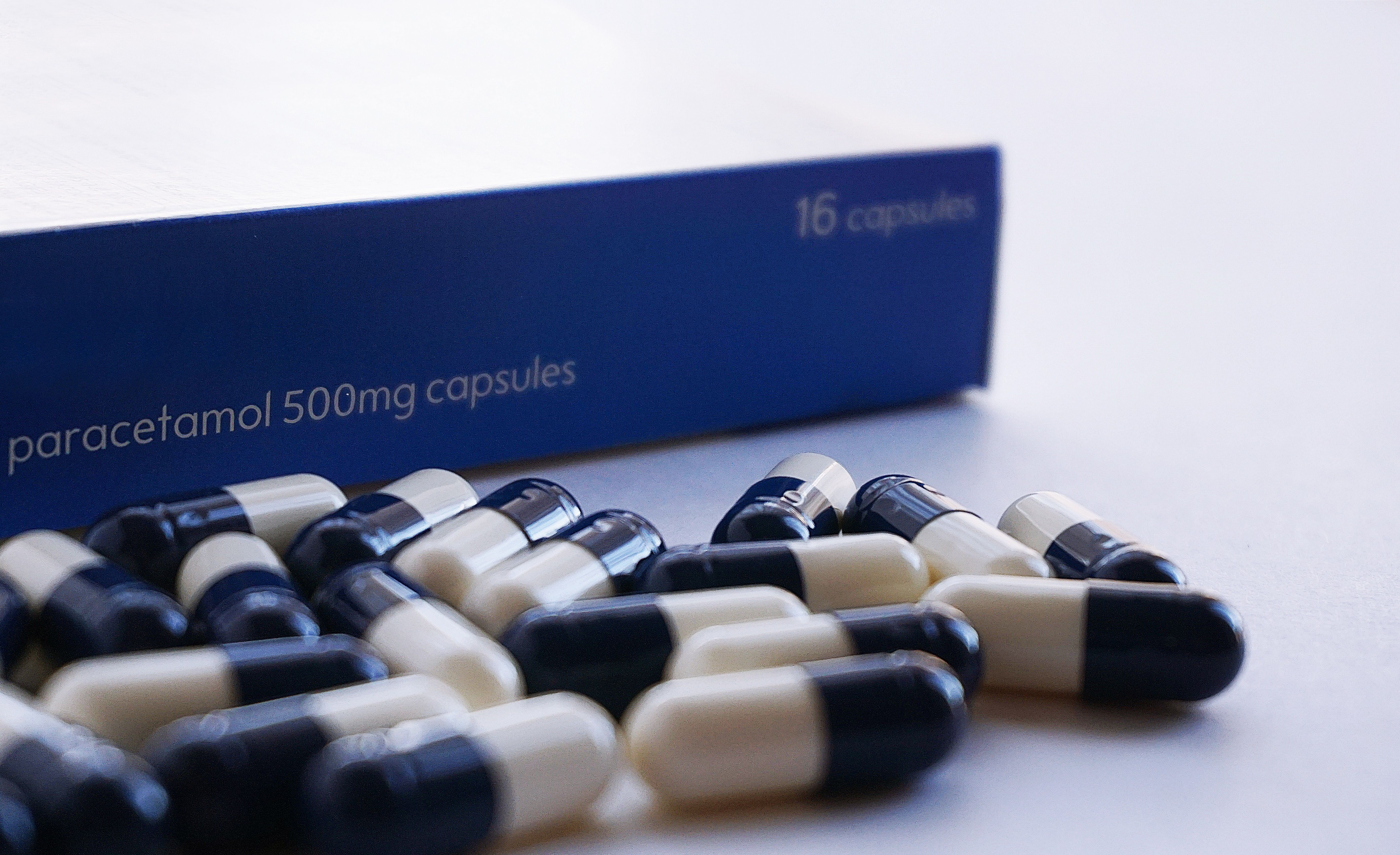
Pharmacological Nomenclature: Drug names vary significantly between brand names, international nonproprietary names (INN), and chemical structures across jurisdictions. Conflating similar sounding compounds can result in severe adverse drug events.
Regulatory Delays: Misinterpretations in Clinical Study Reports (CSR) or medical device user guides often prompt regulatory rejection. Data from trial monitoring organizations shows that non-compliance or document discrepancies during FDA or EMA submission reviews can delay drug trial approvals by months, running up costs that often exceed tens of thousands of dollars per day.
Beyond regulatory risks, cross-border patient mobility highlights the human cost of translation errors. Translating overseas medical records and complex radiology reports requires deciphering poor-quality scans, localized doctor shorthands, and handwritten clinical notes. In critical care transitions, missing an underlying contraindication due to a sloppy translation poses a direct risk to patient safety.
Real-World Insights From the Field
Regulatory bodies worldwide have tightened their scrutiny on translated medical documentation. Industry auditors frequently point out that automated tools consistently fail to interpret context-dependent clinical shorthand, such as distinguishing between dosage timing abbreviations or recognizing localized handwritten diagnostic notes.
In a documented case involving multi-center global oncology trials across Europe and Asia, minor inconsistencies in translated patient-reported outcome (PRO) forms skewed the assessment of adverse side effects. The discrepancy forced trial sponsors to re-evaluate months of data collection to reconcile the linguistic gaps, illustrating why human-in-the-loop validation remains mandatory for clinical compliance.
Achieving genuine precision requires a multi-layered quality control protocol:
Medical linguists paired with active healthcare practitioners verify terminology accuracy against local regulatory guidelines (such as FDA 21 CFR Part 11 or EU MDR regulations).
Advanced optical character recognition (OCR) tech paired with manual expert review deciphers complex, semi-legible hospital discharge sheets.
Strict back-translation and independent reconciliation processes ensure zero semantic drift between source and target files.
Ensuring Global Compliance and Patient Safety
Whether preparing a FDA regulatory dossier, translating clinical trial protocols for global trial sites, or helping a patient transfer medical history to an international hospital, rigorous localization safeguards both commercial timelines and human lives.
Achieving this level of precision requires specialized infrastructure and deeply experienced linguistic teams. Artlangs Translation brings over 20 years of experience to global communications, supporting seamless localization across more than 230 languages. Backed by a global network of over 20,000 professional linguists and subject-matter experts, the company has built a proven track record delivering tailored solutions for specialized industries. Beyond certified medical and technical document translation, their expertise extends across video localization, short drama subtitle localization, game localization, multilingual dubbing for audiobooks and video content, and large-scale multilingual data annotation and transcription.