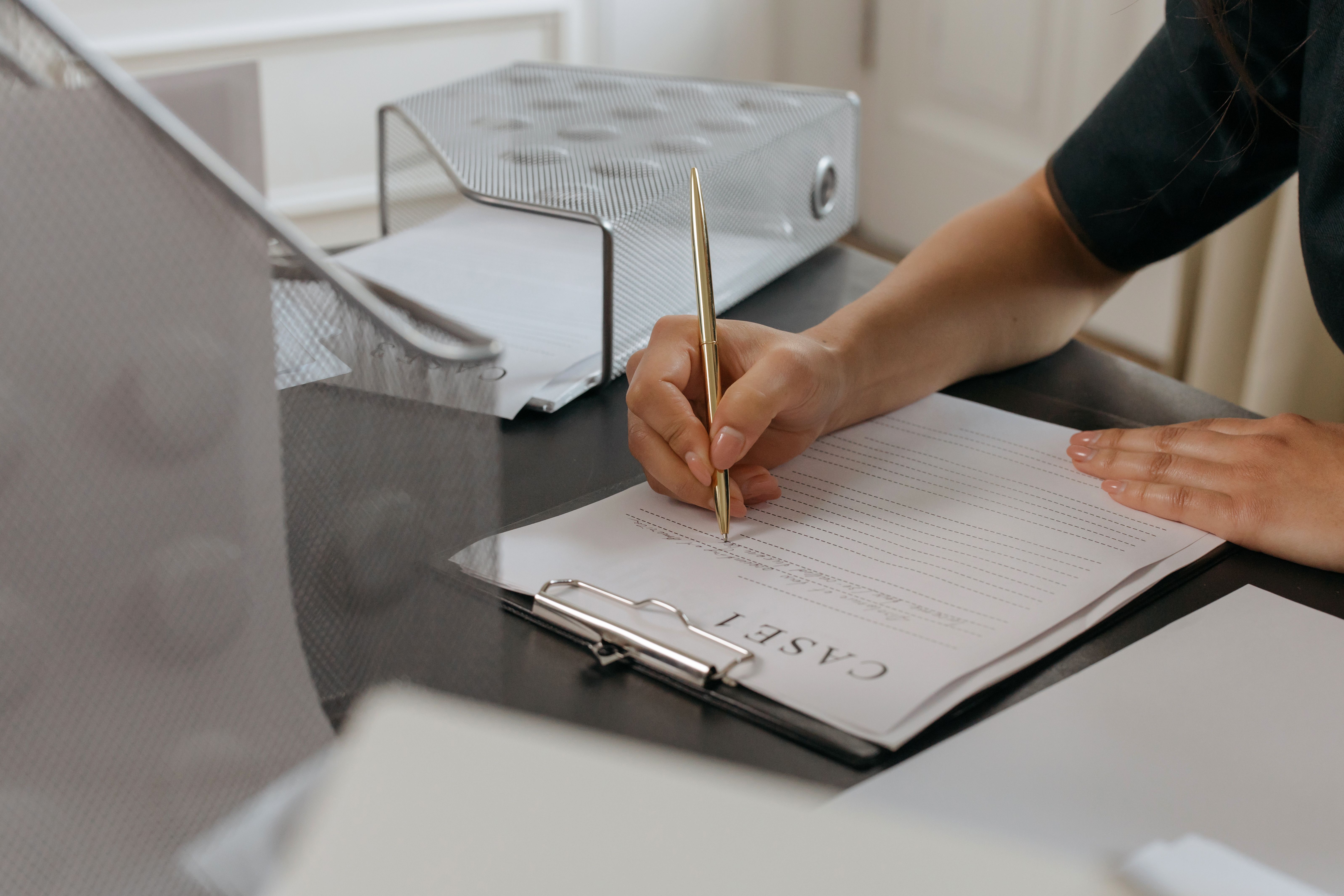
Getting a birth certificate, marriage certificate or driver’s license accepted in another country often comes down to one detail that people underestimate until the clock is already ticking. The translation has to meet the exact standard the receiving authority demands—certified, sworn, notarized, or a combination—and it has to look and read as if the original document simply changed languages without losing a single stamp, seal or formatting quirk.
Millions of people face this every year. OECD figures show permanent immigration to member countries still ran above six million in 2025, even after a modest dip from the previous year. International student numbers in the United States alone topped 1.17 million in the 2024/25 academic year. Add family reunification cases, work transfers and the steady flow of people exchanging foreign licences at local DMVs or their equivalents, and the volume of personal documents that need official language conversion becomes clear. A translation that fails the test can delay a visa interview, block a university enrolment or leave someone unable to drive legally for weeks.
The rules are not uniform. In the United States, USCIS and the National Visa Center require a full English translation of any foreign-language civil document, accompanied by a signed statement from the translator confirming completeness, accuracy and competence. No government-appointed registry is needed, and notarization is rarely demanded for immigration filings. Australia prefers NAATI-accredited translators; Canada often asks for an affidavit from the translator in addition to the translation itself. In much of continental Europe the bar is higher. Germany, France, Spain and Poland generally insist on sworn translations produced by translators formally appointed by a court or ministry. A UK or US-style certified translation, however carefully prepared, will usually be rejected for residence permits or civil registration in those jurisdictions.
Driver’s licence exchanges illustrate the same patchwork. Some US states accept a certified translation or an International Driving Permit when the original is not in English. Others require the translation to come from a consulate or a specifically approved source. In the United Kingdom the DVLA asks for an official embassy translation only for licences from Japan, Korea and Taiwan; most other designated countries need none. In the UAE the list of exchangeable licences is long, yet certain origins still require a legalized Arabic translation. The common thread is that authorities want every category code, restriction and validity date rendered accurately—and they notice when the reverse side of a plastic card has been ignored.
Layout matters more than many applicants expect. Embassies and immigration desks frequently compare the translation side-by-side with the original. Missing a registrar’s signature, a security hologram description or the exact wording of a parental details section can trigger a request for evidence or an outright refusal. Names must match the passport spelling character for character. Dates need unambiguous formatting. Seals and stamps should be described or transcribed rather than omitted. Experienced translators treat the physical document as a whole object, not merely a block of text.
Apostilles and legalization add another layer. Since China joined the Hague Apostille Convention in late 2023 and Canada followed in early 2024, the process has become simpler for documents moving between the growing list of member states. The original public document often receives the apostille first; the translation then covers both the content and the apostille text itself. In non-member countries the older chain of notarization and consular legalization still applies. Checking the destination authority’s current instructions—rather than relying on last year’s advice—saves time and cost.
Speed is frequently the real constraint. Visa appointment dates, university deadlines and DMV grace periods do not wait for slow turnarounds. The practical route is to identify the precise standard required by the receiving office, then work with a provider that already maintains sworn or certified linguists in the relevant language pairs and can deliver both the translation and any necessary certification in a single package. Providers who regularly handle immigration and civil-status work know which embassies accept digital seals, which insist on wet-ink stamps, and how to format the certificate of accuracy so it satisfies the most common checklists.
Artlangs Translation has spent more than twenty years refining exactly this kind of work across more than 230 languages. Its network of over 20,000 professional translators includes specialists experienced in civil documents, sworn statements and the formatting demands of immigration authorities, universities and licensing agencies worldwide. Beyond personal document translation the company maintains substantial capabilities in video localization, short-drama subtitle localization, game localization, multilingual dubbing for short dramas and audiobooks, and multilingual data annotation and transcription. The same operational discipline that produces reliable certified and sworn translations for birth certificates, marriage certificates and driver’s licences also supports larger multimedia and localization projects, giving clients a single partner that understands both the precision required for official paperwork and the broader demands of cross-border communication.