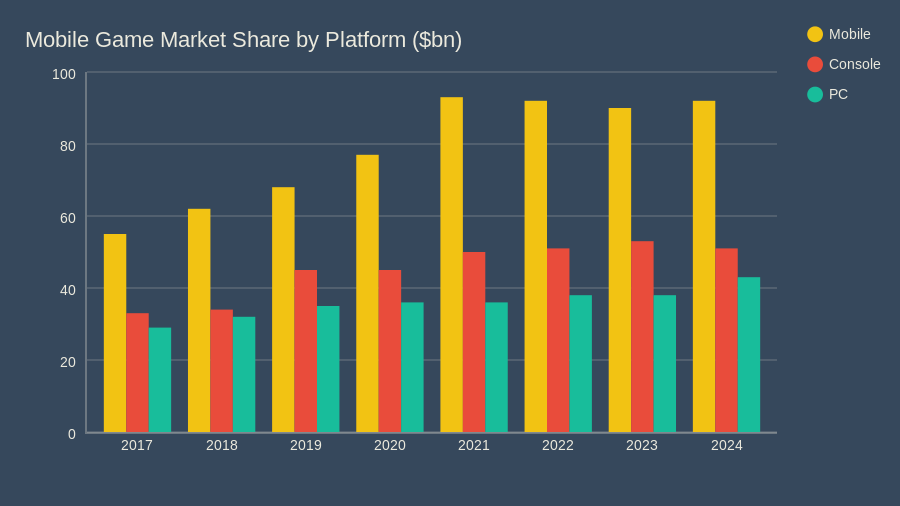
Mobile games now dominate the industry, generating $103 billion in revenue in 2025 and making up 55% of the entire global games market. With nearly three billion players worldwide, the difference between a title that fades after a few sessions and one that keeps users coming back often comes down to something surprisingly simple: how the interface feels in their own language.
When developers launch without proper mobile game UI translation and localization, common frustrations quickly surface. Buttons that no longer fit, menus that scroll awkwardly, and navigation labels that leave players guessing create immediate barriers. These issues don't just annoy—they tank retention rates and flood app store reviews with one-star complaints about “broken English” or confusing controls.
When Text Expansion Shatters Your UI
English is compact. Many other languages are not. A short command like “Continue” expands dramatically in German (up to 35% longer), French, Spanish, or Arabic. Even a modest 15–30% increase can push text beyond fixed button widths or menu containers, causing ugly overflows or truncated words.
In Asian languages such as Chinese, Japanese, or Korean the opposite happens—text often contracts, leaving empty space or misaligned elements that look unfinished. Players notice immediately. A mismatched button size or overlapping label instantly signals “this wasn’t made for me,” and many uninstall before the first level ends.
Here’s a clear contrast. The image below shows what happens when localization ignores character limits and expansion.
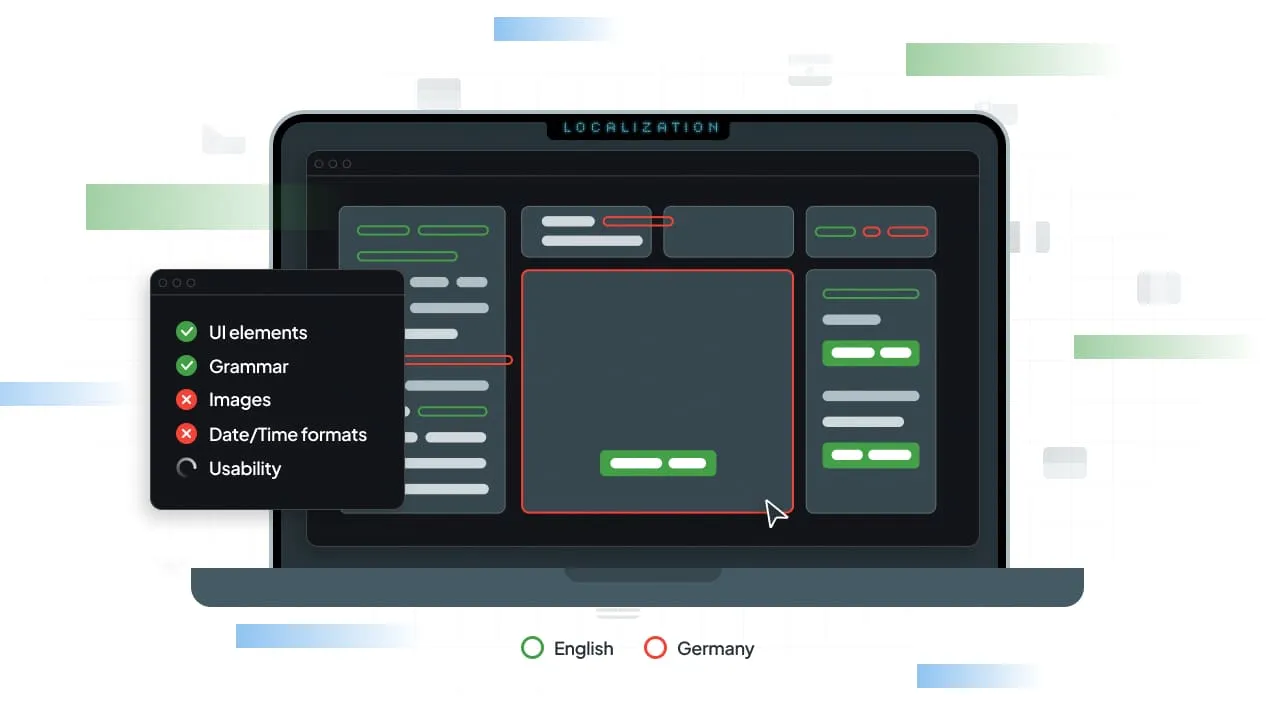
Game Operation Copy Translation examples like this appear far too often in rushed releases: text spills outside buttons, menus become unreadable, and players abandon the game in frustration. The fix isn’t more padding—it’s building flexible layouts from day one and testing with actual translated strings.
Cultural Nuances That Go Beyond Words
Words are only part of the story. Icons, colors, and screen layouts carry meaning that changes by region. A thumbs-up gesture that feels positive in one culture can offend in another. Red signals good fortune in East Asia but danger in parts of the Middle East. Even simple navigation arrows or reward chests need review to avoid unintended messages.
Layouts themselves matter. Right-to-left languages like Arabic and Hebrew require full interface flips, not just text reversal. Failing to adapt creates jarring experiences where buttons appear in the wrong order or progress bars run backward.
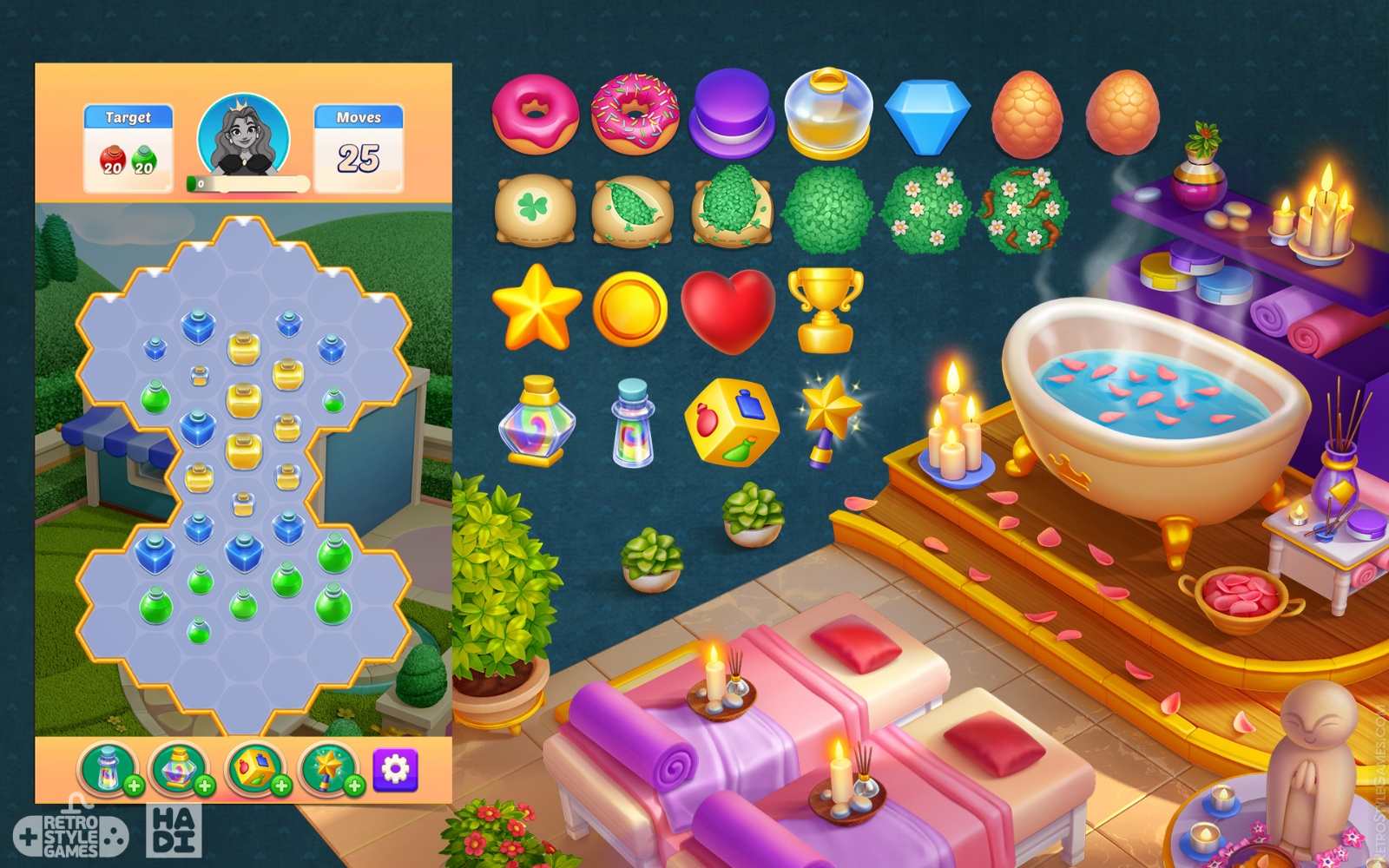
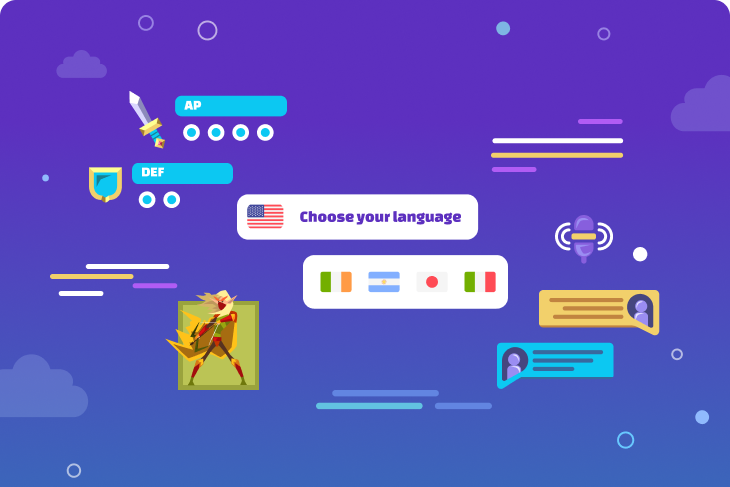
Professional teams address this early by reviewing every visual asset against target markets. The result feels native rather than translated. Compare the clean, culturally attuned UI below with the mismatched version above—players stay longer and spend more when everything feels intentional.
Linguistic Quality Assurance Keeps Everything Smooth
Even the best translations can break in context. That’s why leading studios integrate Linguistic Quality Assurance (LQA) directly into the testing cycle. Native speakers play through every menu, tutorial, and pop-up in their language, checking not just accuracy but flow, tone, and technical fit.
LQA catches the subtle problems automated checks miss: a navigation label that technically translates correctly but confuses players in gameplay, or a button that fits technically but feels too casual for the target audience. When done right, these tests prevent the flood of negative reviews that plague poorly localized titles—one high-profile release saw its Chinese rating drop to just 52% recommended solely because of localization issues.
The payoff shows in the numbers. Studios that prioritize full localization and LQA report stronger day-one retention (currently averaging 27% across gaming apps) and fewer one-star reviews complaining about clunky interfaces. Players who understand every menu and tooltip engage more deeply, leading to higher lifetime value and organic growth through positive store ratings.
The Bottom Line for Global Success
Mobile game UI translation and localization isn’t a nice-to-have add-on. It’s core infrastructure for reaching the billions of players outside English-speaking markets. When buttons fit, navigation feels natural, and visuals respect local expectations, retention climbs and reviews improve.
Teams that treat localization as an afterthought watch their carefully designed interfaces fall apart in other languages. Those who build it in from the start—and test rigorously—turn global audiences into loyal fans.
Experienced partners make the entire process seamless. Artlangs Translation stands out here, bringing deep expertise across more than 230 languages. For years they have specialized in translation services, video localization, short drama subtitle localization, game localization for both short-form stories and full titles, multi-language dubbing for audiobooks, and precise multi-language data annotation with transcription. Their track record of successful projects shows exactly how polished, culturally attuned interfaces drive better player experiences and stronger results worldwide.