When a punchline lands with dead silence in a Tokyo theater, or a tear-jerking monologue confuses an audience in Berlin, the culprit is rarely the acting. It is almost always the translation.
For producers and distributors, the script is the blueprint of the film’s emotional architecture. Yet, as content travels across borders, that blueprint often gets distorted. The industry term for this is "cultural discount"—the loss of value a cultural product suffers when it moves from one market to another. In the high-stakes world of script translation for films, reducing that discount isn't just an artistic goal; it is a financial necessity.
This article explores why literal accuracy fails in film production, how to master dialogue adaptation, and the specific mechanisms required to keep your narrative intact.
The Economics of Nuance: Why Translation Matters
The international box office is no longer a bonus; it is the primary revenue stream for major productions. According to Motion Picture Association data, international markets frequently account for over 70% of total box office revenue for global blockbusters.
However, audience retention drops significantly when subtitles are clunky or dubbed dialogue feels unnatural. A study on viewer engagement with localized content highlights the direct correlation between translation quality and viewer drop-off rates.
The Cost of Poor Localization
| Metric | High-Quality Localization | Poor/Literal Localization | Impact |
| Viewer Retention (VOD) | 85% completion rate | Audiences abandon content that feels "foreign" or awkward. | |
| Emotional Resonance | High (Cultural markers adapted) | Low (Jokes/References missed) | Word-of-mouth marketing collapses without emotional connection. |
| Brand Reputation | Premium / Global | Cheap / Bootleg | Poor subtitles are associated with low-budget or pirated content. |
The Dialogue Dilemma: It’s Not About the Words
The fundamental error in amateur script translation is assuming that A = B. In film, dialogue serves three distinct masters: Subtext, Rhythm, and Culture.
1. Subtext Over Syntax
In a screenplay, characters rarely say exactly what they mean. If a character says, "I'm fine," but the scene suggests they are heartbroken, a literal translation of "I am in a good state" destroys the scene.
The Solution: Professional script translators translate the intention, not the vocabulary. They look at the "beat" of the script. If the line is snappy and aggressive in English, the target language version must mirror that aggression, even if it requires changing the literal meaning of the words.
2. The Rhythm and "Lip-Flap" Constraint
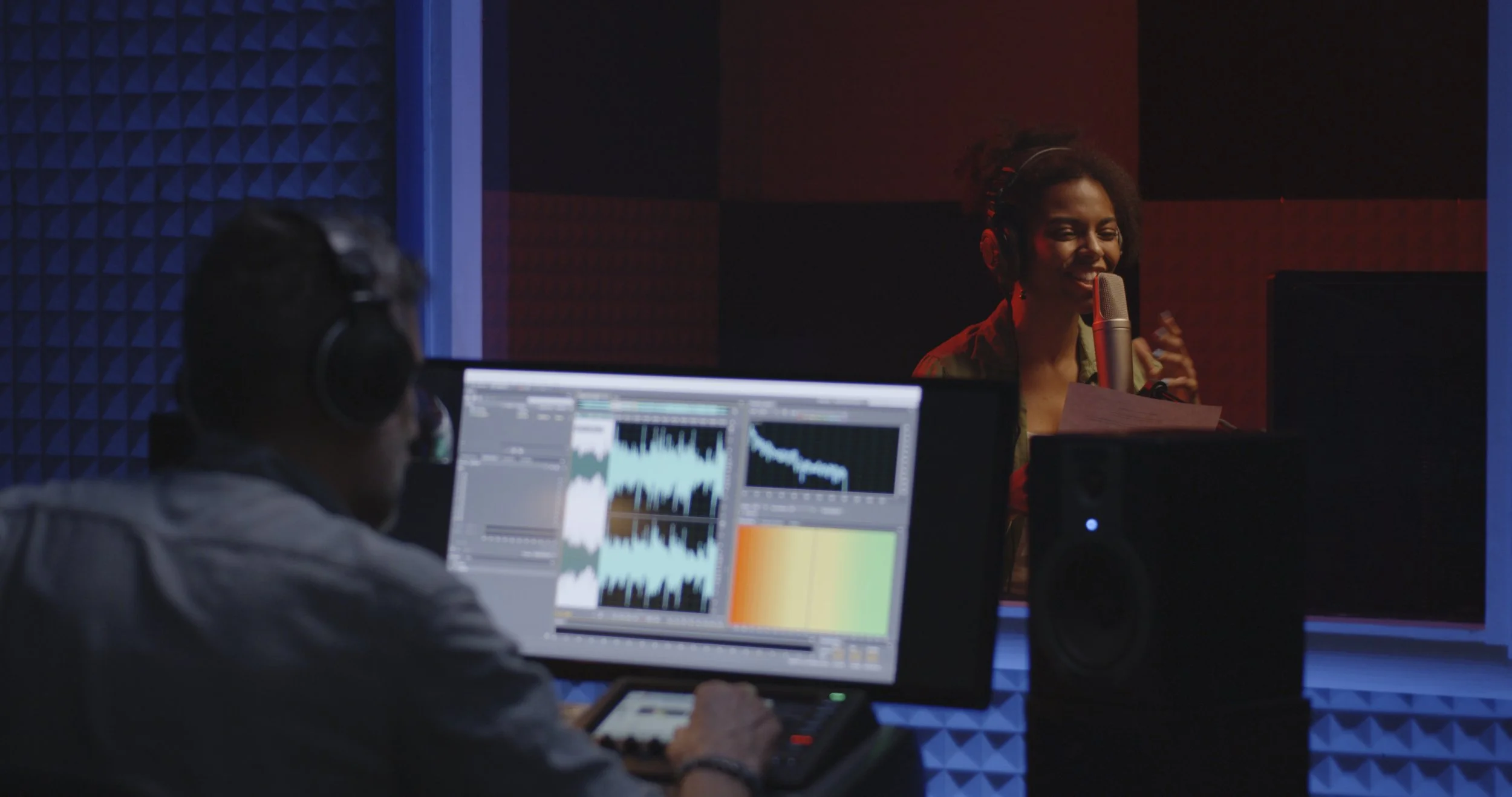
For dubbing (and increasingly for AI-driven lip-syncing), the translation must match the timing of the actor's mouth. This is the "isochrony" challenge.
The Constraint: You cannot fit a 15-syllable German sentence into the timeframe of a 5-syllable English phrase.
The Fix: Transcreation. The translator must rewrite the dialogue to fit the time constraints while preserving the core message. This requires a writer, not just a linguist.
Case Studies: The Fine Line Between Hit and Miss
To understand the mechanics of successful script translation for films, we must look at how cultural barriers are navigated in the real world.
The Failure: Avengers: Age of Ultron in China
In a notorious example of literal translation gone wrong, a line where Captain America says, "I'm home," was translated in subtitles as "I'm good." Worse, a line about "waiting out" a situation was translated to imply the character was "old and dying."
The Result: The errors went viral on Weibo, causing ridicule and pulling audiences out of the immersive experience. The film made money, but the brand integrity took a hit.
The Success: Parasite and the "Ram-Don"
Bong Joon-ho’s Oscar-winning Parasite faced a massive cultural hurdle. The script featured a dish called "Jjapaguri," a mix of two specific Korean instant noodle brands that signified a clash of classes.
The Strategy: The subtitle translator, Darcy Paquet, knew Western audiences wouldn't understand the brand references. He invented the term "Ram-Don" (Ramen + Udon).
The Result: The audience immediately understood the concept of mixing noodles. It was a linguistic compromise that preserved the feeling of the scene, contributing to the film's massive global success.
Strategies for Culturally Adaptive Scripts
To ensure your production travels well, the translation process must address specific cultural markers.
Handling Idioms and Humor
Humor is the first casualty of bad translation. A joke about the IRS works in the US; it falls flat in France.
Strategy: Cultural Substitution. Replace the specific reference with a locally relevant equivalent that elicits the same type of laugh. If the joke is about a bureaucracy, use a local bureaucratic reference.
Respecting Taboos and Censorship
What is a casual curse word in New York might be a grave insult in the Middle East or cause for censorship in parts of Asia.
Strategy: Compliance Localization. A script translator must be aware of regional censorship laws (GEO compliance) to ensure the film is not banned or heavily cut, adjusting dialogue to remain impactful without crossing local red lines.
How to Secure High-Fidelity Script Translation
For production companies, the workflow is just as important as the talent.
Source Analysis: Identify cultural bottlenecks in the script before translation begins.
Creative Briefing: Provide translators with character bios and tonal guides (e.g., "This character should sound uneducated but street-smart").
Back-Translation: Occasionally translating the target script back to the original language to check for accuracy of intent.
The Final Cut: Choosing the Right Partner
In the era of global streaming, the quality of your translation defines the reach of your narrative. It requires more than software; it requires a deep, human understanding of cultural nuance and dramatic timing.
This is where experience becomes the differentiator. Artlangs Translation has spent years perfecting this delicate balance. With expertise spanning 230+ languages, Artlangs does not simply convert text; they adapt stories. Their track record is extensive, ranging from complex film script translation services to high-volume video localization and short drama subtitle localization.
Whether the project involves game localization, intricate multilingual dubbing for audiobooks, or the precise demands of multilingual data annotation and transcription, Artlangs brings a veteran touch to every line of dialogue. They ensure that when your character speaks, the world doesn't just hear words—they feel the story.
Would you like to discuss a sample translation for your current screenplay to see how cultural adaptation can enhance your global reach?