Receiving a Request for Evidence (RFE) from immigration authorities or a university admissions board is a specific kind of nightmare. It stops your life plans in their tracks. Often, the culprit isn't a lack of eligibility, but a simple bureaucratic error: a birth certificate translation that failed to meet strict compliance standards.
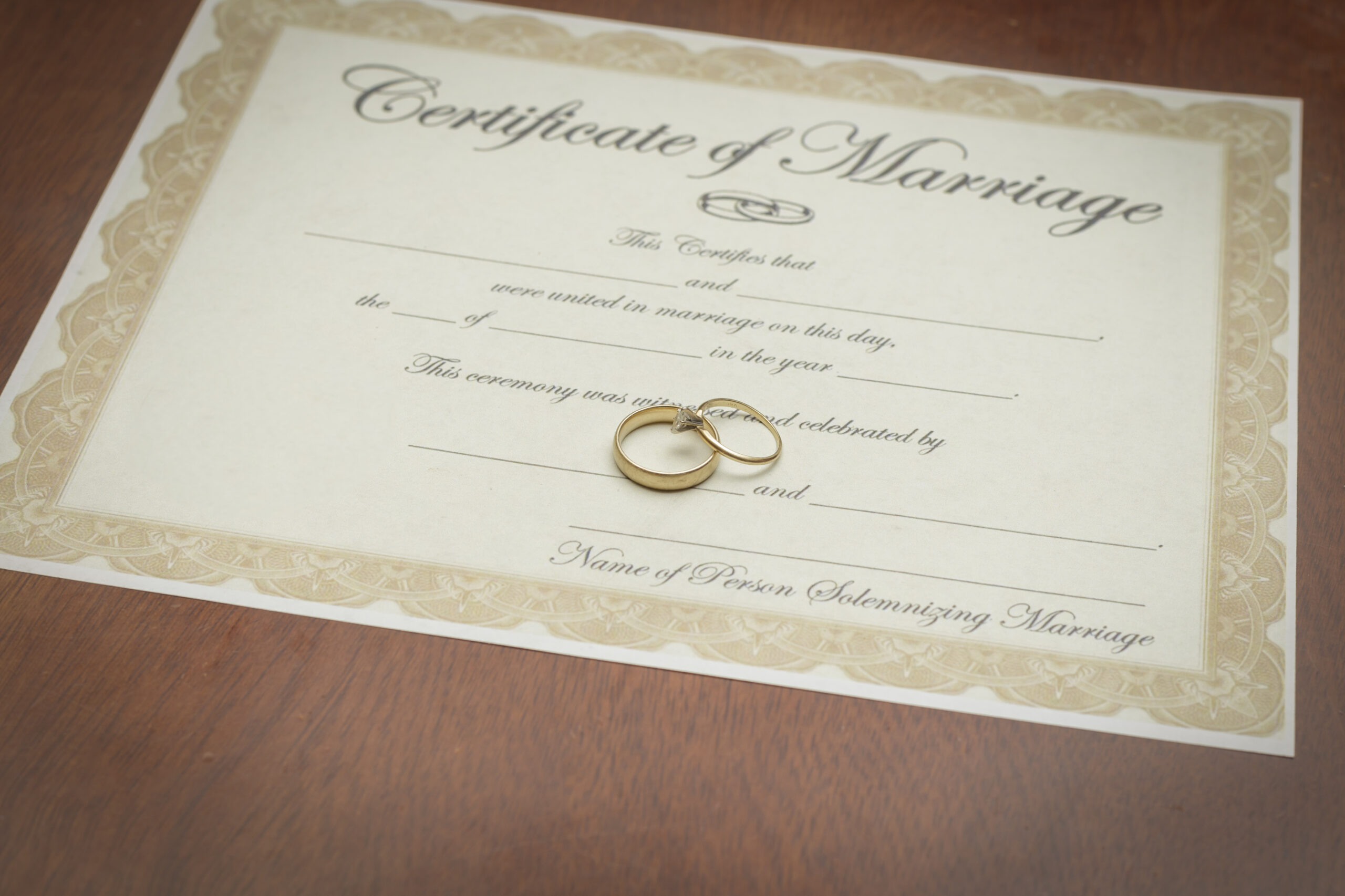
For visa applicants and expatriates, accuracy is not a luxury; it is a legal necessity. A "certified translation" is not merely about converting words from one language to another—it is about creating a legal record that stands up to scrutiny by federal agents.
This guide explains exactly what is required to clear these hurdles on the first attempt, backed by industry protocols and processing realities.
The Anatomy of a Certified Translation
Many applicants mistakenly believe they need a notary public to perform the translation, or that they can do it themselves if they are fluent. Both assumptions frequently lead to rejection.
A certified translation for entities like the USCIS (United States Citizenship and Immigration Services), the UK Home Office, or academic institutions must contain three specific components:
The Source Copy: A legible copy of the original birth certificate.
The Target Translation: A complete, word-for-word translation into English. This includes everything on the page—signatures, stamps, seals, dashes, and even illegible markings (which must be noted as [illegible]).
The Certificate of Accuracy: A signed statement (affidavit) from the language provider. This document must attest to the accuracy of the translation and the translator's competency. It must include the translator's full name, address, date, and signature.
Crucial Compliance Rule: You cannot translate your own birth certificate, nor can a family member do it for you. Even if the translation is perfect, it will be rejected due to a conflict of interest. It must be performed by a disinterested third party.
The Hidden Cost of "Cheap" Translations
Why is professional agency involvement recommended over casual freelance marketplaces? The answer lies in the data regarding processing delays.
Immigration processing data indicates that an RFE issued due to incorrect documentation can add an average of 3 to 4 months to a case's timeline. In high-stakes scenarios, such as H-1B cap filings or university application deadlines, a 90-day delay effectively means rejection.
Common reasons for administrative rejection include:
Summarized Content: The translator "helped" by leaving out administrative stamps or marginal notes. Authorities require a "mirror image" of the text.
Format Discrepancies: The English version does not visually match the layout of the original, causing confusion for the reviewing officer.
Incorrect Naming Conventions: Inconsistencies between the spelling of names on the birth certificate and the passport (e.g., Maria De Los Angeles vs. Maria D. Angeles).
Step-by-Step Guide: Ensuring Acceptance
To ensure your document clears the review process without triggering a delay, follow this precise workflow.
1. High-Fidelity Digitization
Do not rely on smartphone photos taken in poor lighting. Shadows and blur are grounds for rejection. Use a flatbed scanner or a professional scanning app to capture the document at a minimum of 300 DPI. Ensure all four corners are visible. If there is a stamp on the back of the paper, scan the back as well.
2. Verify the "Mirror" Standard
When you receive the proof from your translation provider, compare it side-by-side with your original.
Are the dates in the target country's format (e.g., changing DD/MM/YYYY to MM/DD/YYYY for the US)?
Are seals represented by a bracketed description, such as [Seal of the Civil Registry]?
Is every number in the registration ID correct?
3. Request the Correct Final Format
Most government portals now accept high-quality PDF uploads. However, always ask your provider if they can supply a hard copy with a "wet ink" signature if required later for an in-person interview.
Selecting a Provider: The Authority Checklist
Not all translation agencies carry the same weight. When your residency status hangs in the balance, look for providers that adhere to ISO 17100 standards for translation services.
A reliable provider should offer:
Guaranteed Acceptance: A contractual promise that they will fix any issues free of charge if a government body rejects the document.
Data Security: Use of encrypted portals for document upload rather than unsecured email, protecting your Personally Identifiable Information (PII).
ATA Membership: While not strictly required by USCIS, membership in the American Translators Association is a strong indicator of professional conduct and ethical standards.
From Vital Records to Global Content Strategy
Securing a certified birth certificate is often just the first step in a broader journey of international expansion. Once the legal paperwork is cleared, the need for linguistic precision often scales up rapidly—whether for business operations, entertainment distribution, or digital product launches.
This is where Artlangs Translation proves its value.
Artlangs is not merely a document processing service; they are a veteran linguistic infrastructure provider with years of experience navigating the complexities of cross-border communication. Mastering over 230 languages, Artlangs has established itself as a go-to partner for high-volume, high-stakes projects.
Their expertise extends far beyond standard certified translations. They are heavily embedded in the entertainment and tech sectors, providing specialized video localization, game localization, and the increasingly popular short drama subtitle localization. Furthermore, tech developers rely on Artlangs for multilingual data annotation and transcription to train AI models, as well as multilingual audiobooks dubbing that captures native cultural nuances.
When you choose Artlangs for your birth certificate, you are leveraging the same rigorous quality control systems used by global media companies.
Next Step:Avoid the risk of a 90-day delay on your application. Submit your documents to Artlangs today for a certified translation that meets the highest standards of accuracy and official compliance.