Multinational companies audited by Deloitte, PwC, EY, or KPMG know a simple truth: a flawless English audit report loses its power the moment the translated versions fall short. The big four audit reports translation process demands far more than literal swaps. Every shade of meaning must survive so regulators, investors, and lenders get exactly the same level of assurance in any language.
Many firms learn this the hard way. One softened phrase or drifting term, and professional financials suddenly read as amateurish. Confidence turns to quiet doubt.
What the Big Four Demand in Translated Audit Reports
The world’s top firms set the bar through years of global filings. Their expectations are clear in every signed document: preserve professional skepticism, regulatory tone, and strict objectivity. Two pillars never bend—rigorous quality control and unbreakable terminology consistency. These decide whether a report strengthens global trust or quietly invites questions.
Translating the Core: The Four Audit Opinion Types
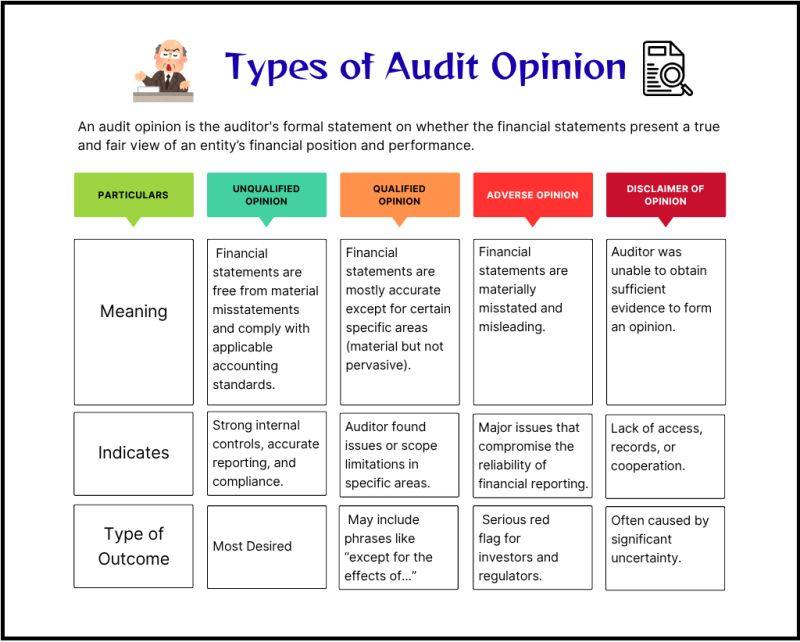
The opinion paragraph is the heart of every report. The Big Four use four standard types, each carrying exact weight. Skilled translators lock in the same assurance level without compromise.
Unqualified opinion: The clean opinion. Wording must state the statements “present fairly, in all material respects,” with no trace of doubt.
Qualified opinion: The “except for” clause. Translation isolates the specific issue precisely, never broadening or softening its scope.
Adverse opinion: The red flag. Language stays direct and strong to highlight material misstatements.
Disclaimer of opinion: No opinion possible. Wording reflects the exact limits of evidence—nothing more, nothing less.
One imprecise equivalent and the entire message shifts.
Terminology Consistency: The Hidden Foundation
Accounting terms are not flexible. “Material misstatement,” “going concern,” “true and fair view,” and “internal control over financial reporting” must match perfectly across every page, footnote, and language version. Leading providers lock approved terms into client glossaries and translation memory from the first line. Automated checks plus senior human review eliminate drift. The result: Chinese regulators, Spanish investors, and Arabic stakeholders all read the identical meaning.
Skip these controls and the same concept appears in three slightly different ways inside one document—triggering compliance questions fast.
The Real Price of Getting It Wrong
Translation slips in audit reports create real friction. They delay filings, spark extra regulator questions, make investors hesitate, and sometimes raise borrowing costs. What begins as a small wording choice can quietly become a business setback.
The Proven Workflow That Meets Big Four Standards
Companies that pass scrutiny follow a disciplined six-step process:
Choose translators with actual auditing background.
Build a project-specific glossary upfront.
Translate, then run automated terminology and format checks.
Conduct multiple rounds of senior editing.
Verify against target-country filing rules.
Deliver final files in exact required layout.
This is not extra work—it is the minimum the Big Four expect from multinational clients.
Why Artlangs Translation Delivers This Level
When audit reports must survive Big Four review in every market, the partner matters. Artlangs Translation has spent years mastering exactly this precision. Proficient in over 230 languages and long focused on translation services, video localization, short drama subtitle localization, game localization, short drama and audiobook multilingual dubbing, plus multilingual data annotation and transcription, the team brings proven cases and deep expertise that keep terminology tight and quality high.
For reports that hold up across borders, this standard delivers smoother approvals, stronger stakeholder trust, and real international credibility. Anything less simply doesn’t meet the mark.