Ask any indie dev who just launched on Steam what their biggest post-release surprise was, and most won’t say “server crashes” or “day-one patches.” They’ll say reviews in languages they can’t read—and a ratings curve that tanked overnight.
That’s the brutal reality of selling games globally without proper video game localization services. A brilliant RPG with 200 hours of handcrafted content can get buried under a flood of negative reviews simply because the Spanish translation reads like it came out of Google Translate circa 2012. It happens more often than you’d think, and it costs studios millions in lost revenue every year.
The Real Cost of Getting Localization Wrong
Let’s talk numbers. Newzoo’s Global Games Market Report estimates the worldwide games industry generated $187.7 billion in 2024, with nearly 55% of that revenue coming from markets where English isn’t the primary language. China, Japan, South Korea, Latin America, and continental Europe alone represent a combined player base of over 1.8 billion people.
Now consider this: according to a 2023 survey by the International Game Developers Association (IGDA), 72% of developers cited localization as a factor in their game’s international success. Yet only 34% reported having a dedicated localization budget that extended beyond “basic text translation.”
That gap is where games die in foreign markets.
When CD Projekt Red launched The Witcher 3: Wild Hunt, they invested heavily in localization—not just text, but cultural adaptation across 15 languages. The result? The game sold over 50 million copies worldwide and consistently ranks among Steam’s most reviewed titles with a “Very Positive” rating across major language filters. The Polish studio understood something fundamental: localization isn’t an afterthought. It’s a revenue driver.
Compare that to a mid-tier studio that ran its Japanese dialogue through an automated tool, leaving honorifics untranslated and cultural references intact. The Steam reviews for the Japanese version told the story:
“I wanted to enjoy this game, but the translation is so bad I can’t understand half the dialogue. Refunded.” — Steam review, Tokyo
One bad localization wave can crater your review score in a specific region, and on platforms like Steam, review scores are algorithmically tied to visibility. Fewer positive reviews mean lower placement in regional storefronts, which means fewer sales. It’s a death spiral that starts with a spreadsheet of mismanaged strings.
Cultural Localization: Beyond Word-for-Word Translation
Here’s where most studios make their first mistake: they confuse translation with localization.
Translation swaps words between languages. Localization adapts meaning, tone, humor, and cultural context so the content feels native. In gaming, that distinction isn’t academic—it’s the difference between a player laughing at a joke and staring at the screen in confusion.
Take the classic case of Overwatch. Blizzard didn’t just translate voice lines for each region—they re-recorded them with local voice actors who understood the cultural weight of each character. Reinhardt’s German military bravado lands differently when delivered by a German actor who grew up watching the same media references the character embodies. D.Va’s Korean gamer slang isn’t translated; it’s recreated from scratch by someone who actually uses that slang.
That level of care shows in the numbers. Overwatch generated over $1.4 billion in its first year, and a significant portion of that came from Asian markets where players felt the game spoke their language—literally and culturally.
What Cultural Localization Actually Covers
Idiom adaptation: English idioms (“piece of cake,” “break a leg”) rarely have direct equivalents. A good localization team replaces them with culturally appropriate equivalents, not literal translations.
Humor and tone: What’s funny in Minnesota might be offensive in Riyadh or incomprehensible in Osaka. Comedy is the hardest thing to localize—and the most important for player engagement.
Visual references: A hand gesture that means “good job” in the US might be an insult in Brazil. Localization catches these before they ship.
Legal and religious sensitivity: Content restrictions vary wildly by region. A line of dialogue that passes muster in Berlin could get your game banned in Riyadh. Localization teams flag these issues early.
UI Adaptation: The Silent Conversion Killer
Most players never think about UI localization—until it goes wrong. And when it goes wrong, it’s immediately noticeable and immediately frustrating.
German text is roughly 30% longer than English on average. Japanese uses kanji, hiragana, and katakana in mixed sequences that don’t follow Western spacing rules. Arabic and Hebrew are right-to-left languages. Thai has no spaces between words.
If your UI was designed around English string lengths and left-to-right layout, you’re going to have problems. Text overflow, clipped menus, overlapping elements, broken layouts—these aren’t edge cases. They’re guaranteed failures in at least half a dozen languages.
Common UI Localization Pitfalls
| Issue | Example |
|---|---|
| Text overflow | German “Zusammenfassung” vs English “Summary” |
| RTL layout breaks | Arabic UI elements rendering left-to-right |
| Character encoding errors | Japanese characters displaying as ?????
|
| Input field length mismatches | CJK characters typed into English-sized fields |
| Date/number formatting | MM/DD/YYYY vs DD/MM/YYYY vs YYYY年MM月DD日 |
The best studios bake localization into their UI design process from day one. They use flexible layouts, test with extended strings, and maintain separate UI style guides for different language groups. It’s more work upfront, but it saves months of post-launch patches and the reputation damage that comes with them.
From a Steam player’s perspective, a clean, properly localized UI signals quality. A broken one signals a rushed port. Players who see “Datei konnte nicht geladen werden” spilling out of a button will assume the rest of the game got the same level of care.
Speaking the Language of Gaming Communities
If you want your game to succeed internationally, you can’t just localize the game itself—you need to understand how players in different regions actually talk about games.
Discord servers for gaming communities in Brazil, Russia, and Korea don’t look like English-language servers. The slang is different. The memes are different. The expectations for developer communication are different. A community manager who posts patch notes in translated corporate English won’t build the same trust as one who speaks the community’s actual language.
Consider the Korean gaming market. Korean players expect:
Fast response times from developers (within 24 hours for critical issues)
Detailed patch notes that explain the reasoning behind balance changes, not just what changed
Regular AMA sessions on platforms like Naver Cafe (not Reddit)
Culturally appropriate tone—Korean gaming communities tend to be more direct and expect straightforward answers
If your localization partner doesn’t understand these cultural norms, your community management will feel tone-deaf no matter how accurate the translation is.
Similarly, on Steam, review cultures differ by region. Chinese Steam users tend to leave more detailed, technical reviews. Japanese players often focus on story and character voice acting quality. European players across different countries have varying expectations for tutorial depth and difficulty curves. Your localization strategy should account for these differences in your marketing copy, store page descriptions, and community engagement.
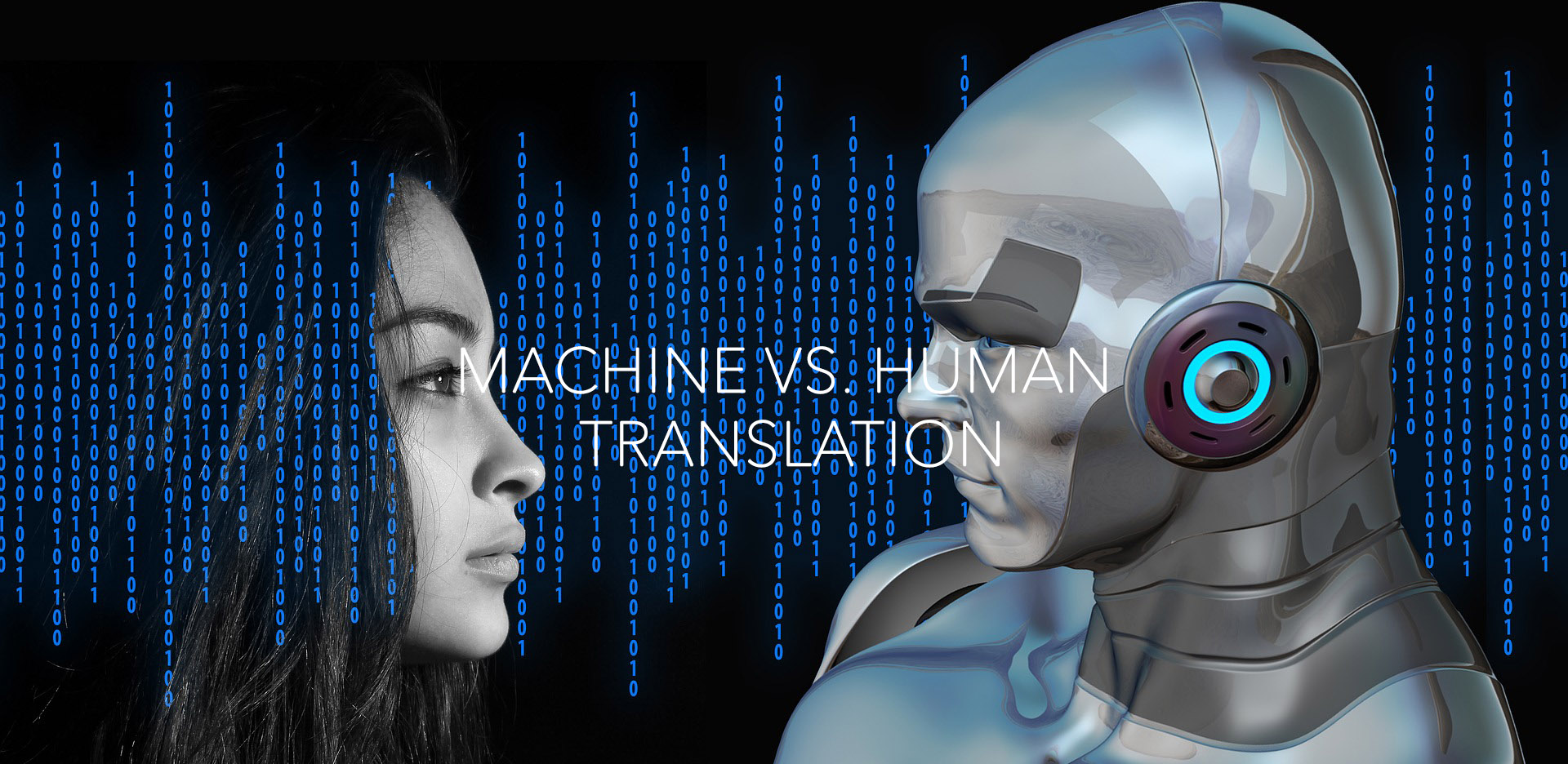
Why Professional Localization Beats Machine Translation Every Time
With tools like DeepL and GPT-4 producing increasingly fluent text, it’s tempting to cut corners on localization budgets. That’s a trap.
Machine translation handles context-free strings reasonably well—UI labels, menu items, straightforward instructions. But games are full of context-dependent content that requires human judgment:
Dialogue with subtext: A character saying “That’s… great” can mean genuine enthusiasm, passive aggression, or existential dread depending on the situation. MT can’t reliably distinguish between these.
Puns and wordplay: Translating a pun requires creating a new pun in the target language, not translating the words.
Branching dialogue trees: Choices that affect story outcomes need to maintain narrative consistency across all branches in all languages.
In-game lore and worldbuilding: Consistent terminology across thousands of lines of text is a human job. MT will call the same fantasy creature three different names across three different quests.
A 2024 study by CSA Research found that 75% of consumers say they’re more likely to purchase the same product again if the after-sales care is in their native language. For games, that means patches, DLC descriptions, support articles, and community updates all need the same localization quality as the base game.
The Bottom Line: Localization Is an Investment, Not an Expense
The math is straightforward. A well-localized game with support for 8-10 languages can access markets representing over 80% of global gaming revenue. The localization cost for a mid-sized project typically runs 5-15% of the total development budget—but can drive a 300-500% increase in international sales.
Studios that treat localization as a line item to minimize consistently underperform in international markets. Studios that treat it as a core part of their production pipeline consistently outperform.
The players know the difference. The reviews reflect it. The revenue numbers prove it.
About the Author: This article was produced with insights from Artlangs Translation, a professional localization partner with deep expertise in gaming and interactive media. With native-level fluency across 230+ languages, Artlangs specializes in video game localization, game UI/UX adaptation, and multimedia localization including short drama subtitle localization, multilingual game dubbing, and audiobook voiceover services. Backed by years of hands-on experience delivering projects for studios across North America, Europe, and Asia-Pacific markets, Artlangs combines linguistic precision with genuine gaming industry knowledge to help developers reach global audiences without losing the soul of their creative vision.