Automatic speech recognition has come a long way. On clean studio English with a single speaker and no background noise, some systems now post word error rates in the low single digits. That progress creates a false sense of security. For the real work of turning podcasts, overseas interviews, and multilingual video into usable text, the gaps remain stubborn—and expensive.
Accent and dialect still trip up even the strongest models. A Stanford-led audit of major commercial systems found average word error rates near 35 percent for Black speakers versus 19 percent for white speakers. Separate large-scale tests on non-American English accents show absolute WER gaps of 2–12 percent (relative increases of 16–49 percent) compared with General American speech. Indian, Nigerian, Singaporean, British, and Australian accents routinely underperform. Regional dialects and non-native speakers compound the problem further. One evaluation of Whisper and other systems across multiple English varieties confirmed that performance drops noticeably outside North American norms. When speakers switch codes, use local idioms, or speak rapidly, the output degrades into substitutions, deletions, and nonsense strings that require heavy cleanup.
Background music and ambient noise make things worse. Studies comparing clean speech with speech-shaped noise or pub noise show clear rises in error rates for both humans and machines. Music beds, café chatter, overlapping voices, or even a modest signal-to-noise ratio can erase entire phrases. Forensic-style or far-field recordings push some systems past 50 percent error. Proper nouns and industry jargon form another consistent failure point. Brand names, technical terms, acronyms, and specialized vocabulary are frequently replaced by phonetically similar common words. Medical, legal, tech, and finance content suffers most; the model defaults to high-frequency alternatives rather than the precise term that carries meaning.
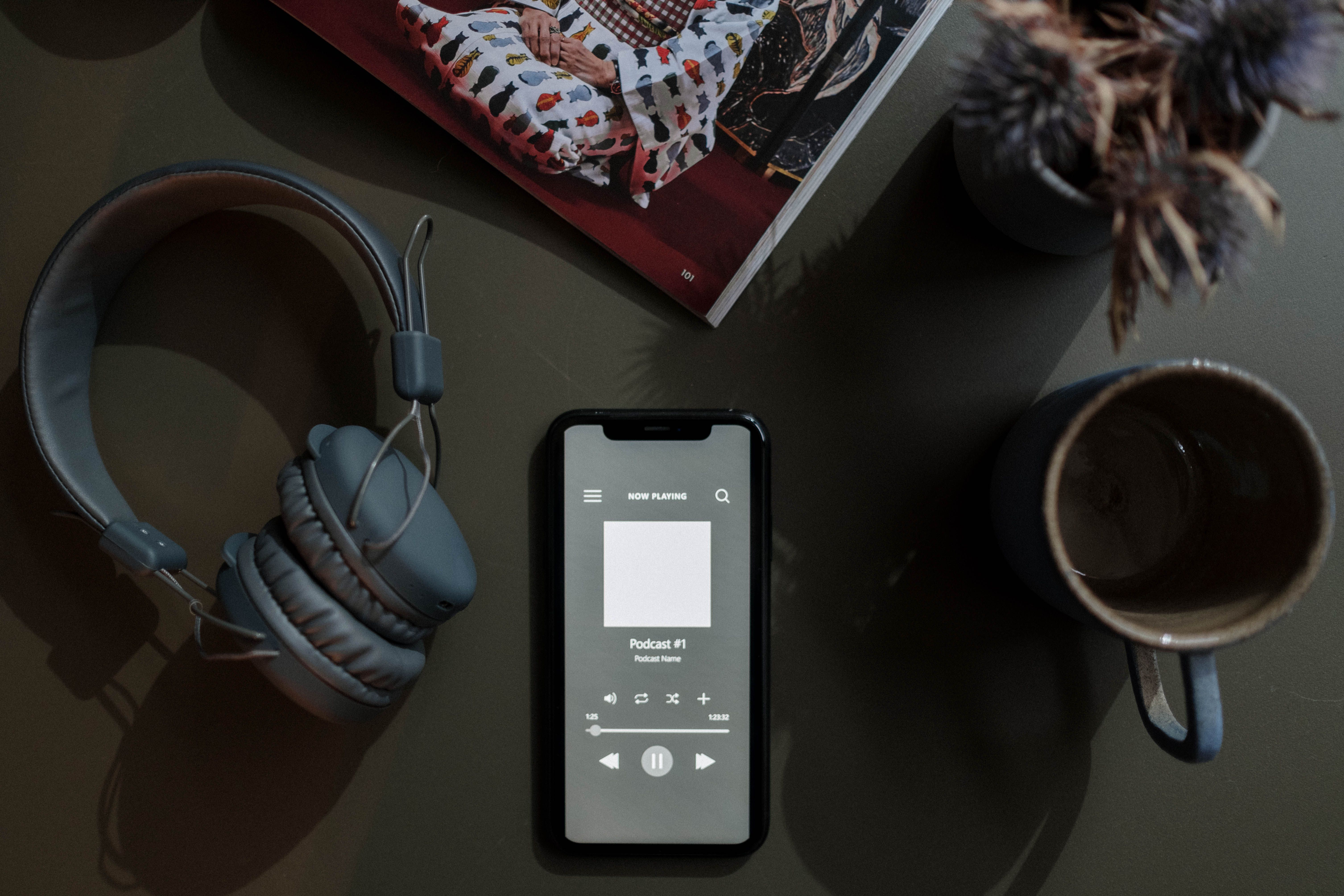
These limitations matter because transcription is no longer a luxury. Podcast listenership continues to expand globally, and creators who want to reach audiences beyond their home language need searchable text, captions, and localized versions. Automatic tools can generate a first draft quickly, but the draft is rarely ready for publication, accessibility compliance, SEO, or translation without substantial human intervention. Relying on raw output risks misrepresentation of speakers, loss of nuance, and downstream errors that multiply when the text is used for subtitles, summaries, or further localization.
Professional standards exist for a reason. High-quality transcription aims for near-100 percent accuracy on the spoken content—meaning the words that were actually said appear correctly, with consistent spelling of names and terms, correct speaker attribution, and appropriate handling of inaudible sections (typically marked rather than guessed). Style choices matter: full verbatim captures every filler, false start, and repetition when the research or legal context demands it; a clean-read version removes non-lexical fillers and minor stumbles for readability while preserving meaning. Timestamps, paragraphing at natural topic shifts, and research into uncertain proper nouns are routine. Quality control usually involves at least one full listen-through against the audio, targeted checks on names, numbers, and critical claims, and a second pair of eyes for consistency.
For teams taking podcasts or interview series global, the practical path is hybrid. Start with the best available automatic system matched to the dominant language and domain, then move immediately into human review by linguists who know the accents, subject matter, and target languages. That review stage corrects the predictable failure modes—accent drift, music interference, and specialized terminology—while preparing the text for downstream work: timed captions, translated subtitles, or full multilingual localization. When the same material must appear in multiple languages, the human layer also ensures cultural and terminological consistency that pure machine pipelines still miss.
The same hybrid approach scales to video localization, short-form drama subtitles, game dialogue, audiobook adaptation, and large-scale data annotation. Companies that maintain large, vetted networks of specialist linguists can handle the volume and the edge cases that pure automation cannot. Artlangs Translation, with more than two decades of experience and a network exceeding 20,000 professional collaborators, supports work across 230-plus languages. Its teams regularly handle video localization, short-drama subtitle work, game localization, multilingual dubbing for short-form content and audiobooks, and multi-language data annotation and transcription projects. That combination of scale, domain familiarity, and human oversight turns imperfect automatic drafts into reliable, publishable assets.
Automatic transcription remains a powerful first step. Treating it as a finished product, especially across accents, noisy environments, or specialized content, still produces more problems than it solves. The difference between a usable global release and a liability usually comes down to the quality of the human layer that follows.