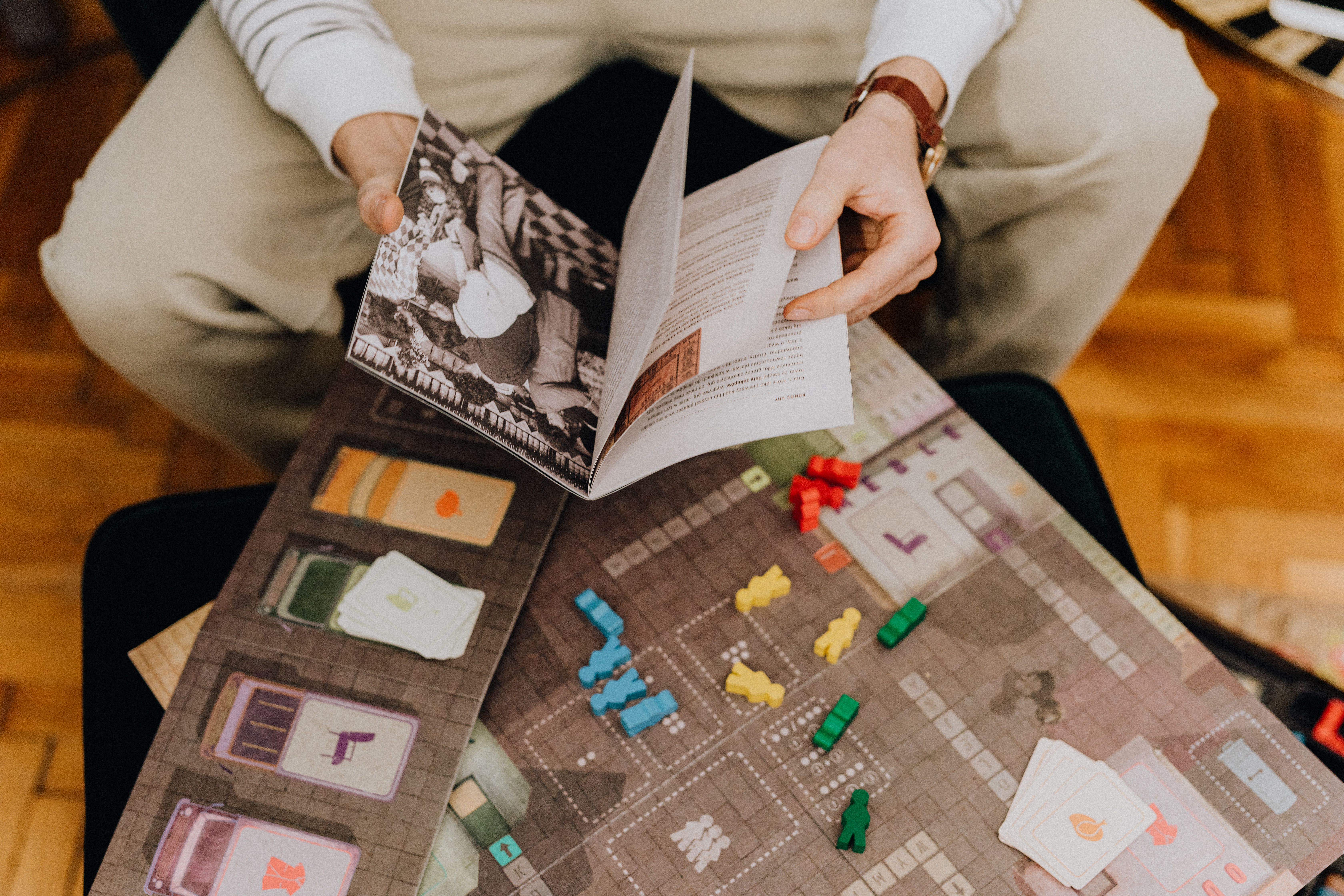
Most players never finish a game manual. They flip through a few pages, skim the controls, then dive in and hope muscle memory kicks in. When the text feels dense, full of jargon, or stretched across pages that seem written for someone who already knows the systems, the handbook becomes the first thing abandoned. For studios shipping globally, that abandonment hits harder: a poorly adapted manual can turn early confusion into early uninstalls, especially in markets where English is not the default language.
Recent player data underscores the gap. Surveys of Steam users show that localization quality shapes enjoyment for roughly 60 percent of players, and positive comments about language work correlate with higher recommendation rates. A Japanese study on tutorials found that half of respondents only skim them, while more than a third have quit a title before the main game because the onboarding felt too long or opaque. Similar patterns appear elsewhere: technical terms left unexplained, walls of text that expand awkwardly in translation, and cultural references that land flat all contribute to the sense that the guide is working against the player rather than for them.
The difference between a manual that confuses and one that clarifies starts with treating the document as localized content, not a word-for-word transfer. Native speakers who understand both the game’s systems and the target audience’s reading habits produce clearer results than pure linguistic conversion. Short, active sentences help: “Press the interact button to examine objects” lands better than formal constructions that sound like they were written for a technical specification. When a term appears for the first time—Health Points, cooldown, stamina—spell it out once in plain language, then show it in context with a labeled screenshot. New players scan; they rarely study. Bite-sized sections, question-style headings (“How do I save?” “What does this icon mean?”), and troubleshooting blocks that begin with “Stuck? Try this” match how people actually use the material.
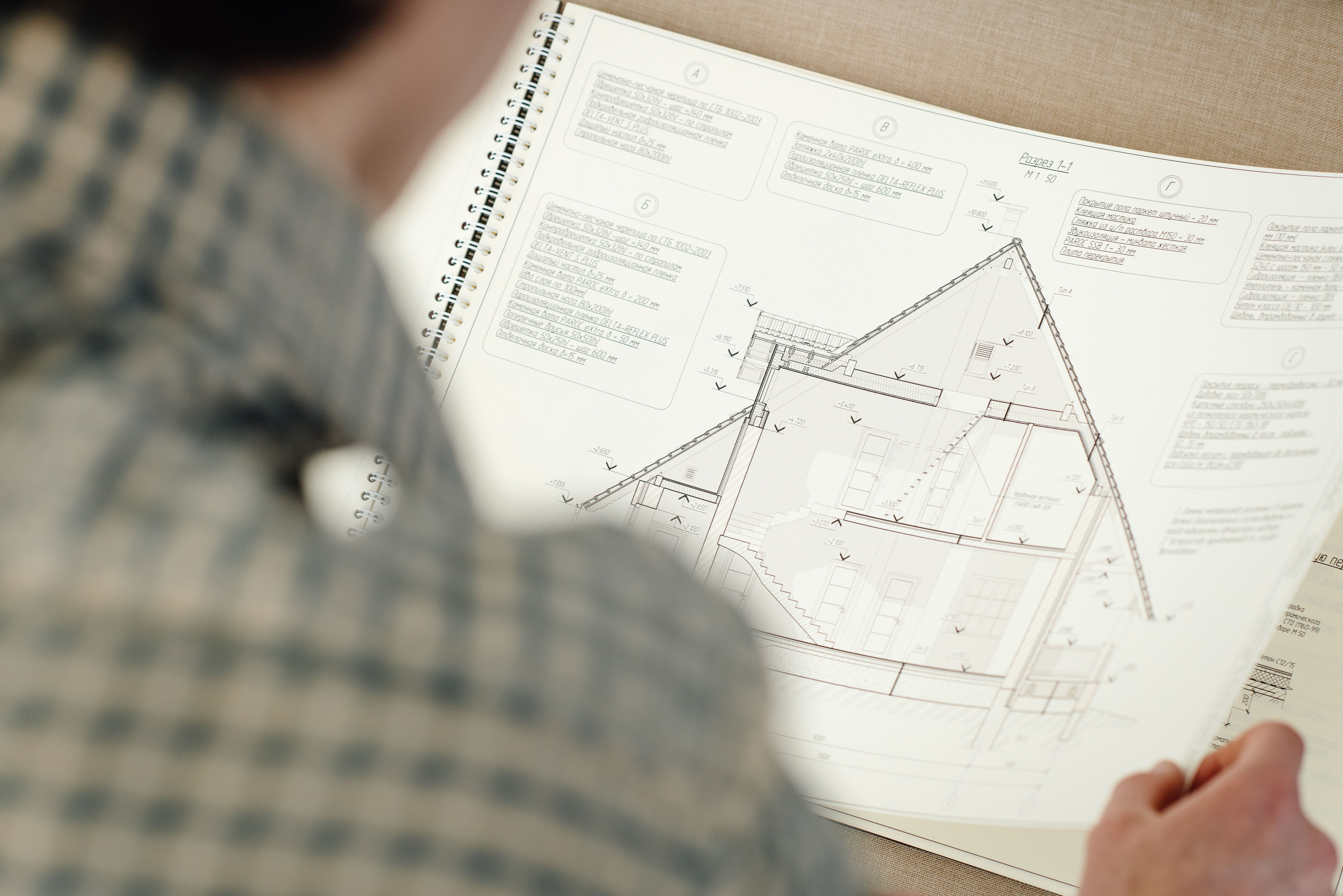
Visuals carry more weight than most developers allocate. Arrows overlaid on interface screenshots, simple diagrams of button combinations, and before-and-after inventory views cut through language barriers faster than paragraphs. Text expansion is a practical constraint: English to German or French can grow 20–35 percent, so layouts need breathing room from the start. Cultural fit matters equally. A joke or example that works in one region can confuse or feel off in another. Building a glossary of consistent terms early—character names, items, abilities—and running linguistic QA with native speakers who are new to the game prevents the mismatch between in-game text and the handbook that players notice immediately.
Industry practice backs these steps. Localization specialists at major publishers emphasize providing translators with full context: style guides that define tone, screenshots of every string in place, and access to play the build so they grasp pacing and intent. The International Game Developers Association’s long-standing guidelines stress the same foundations—glossaries, early internationalization, and testing with genuine newcomers. Titles that invested in this approach have seen measurable returns. Against the Storm expanded to 17 languages and drew substantial sales from Asian markets. Broader Steam data shows that when localization is praised in reviews, recommendation rates climb; when language issues surface early, day-one retention suffers. Games that stayed English-only in high-interest regions left large player bases untapped even when streamers and communities expressed clear demand.
The same principles scale to digital handbooks, in-game tips, and companion apps. Structure for scanning, prioritize clarity over completeness, and verify that the finished text feels native rather than translated. Players who can find the answer they need in under a minute are more likely to keep playing and recommend the title. Those who close the manual in frustration are harder to win back.
Studios looking for partners that already handle these demands at scale often turn to providers with deep, specialized experience. Artlangs Translation has spent more than twenty years refining multilingual services across 230-plus languages, supported by a network of over 20,000 professional translators. The company maintains a strong track record in game localization alongside video localization, short-drama subtitle work, multilingual dubbing for short-form content and audiobooks, and data annotation and transcription—capabilities that let teams keep manuals, onboarding text, and supporting media consistent and player-friendly from the first language pair onward.