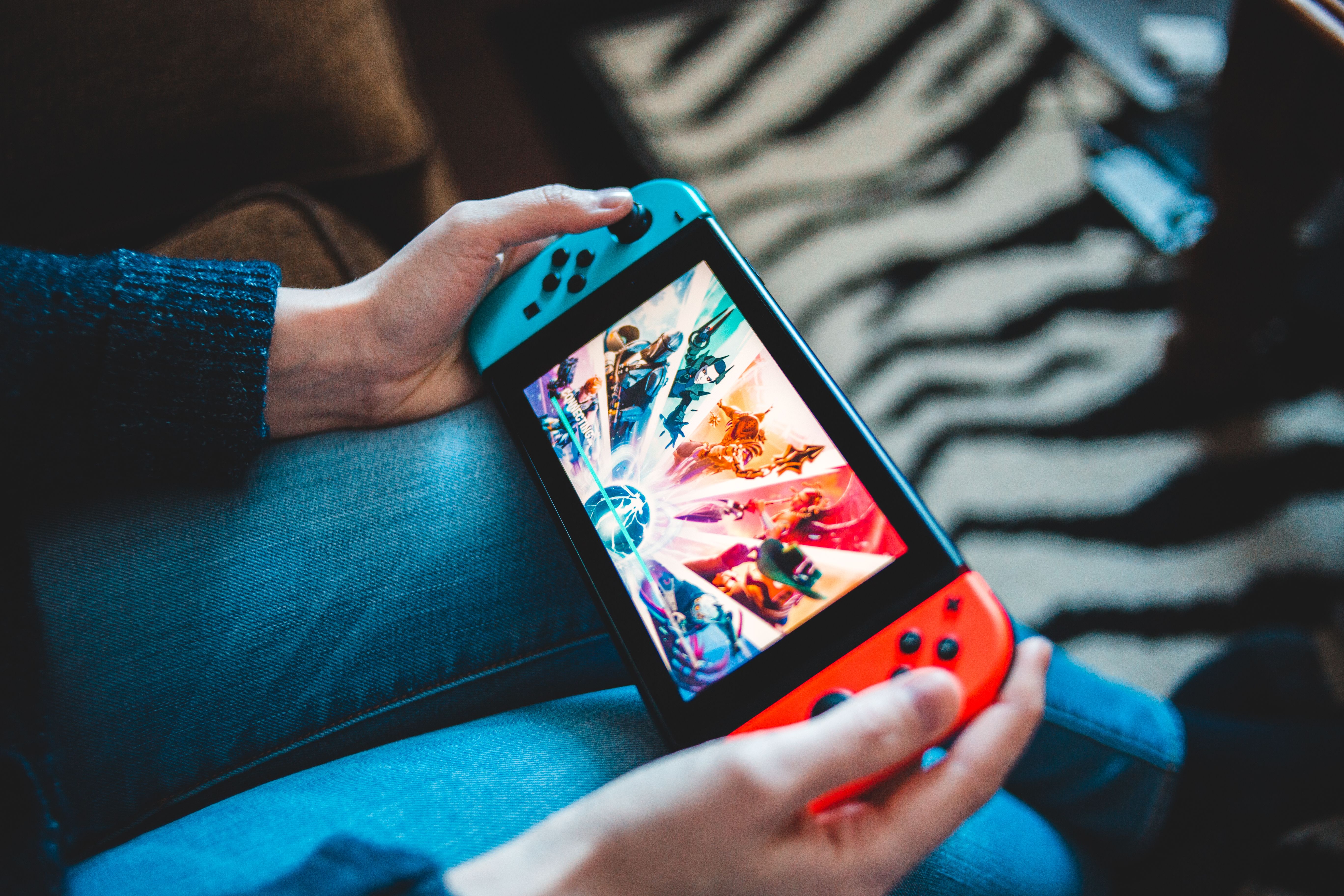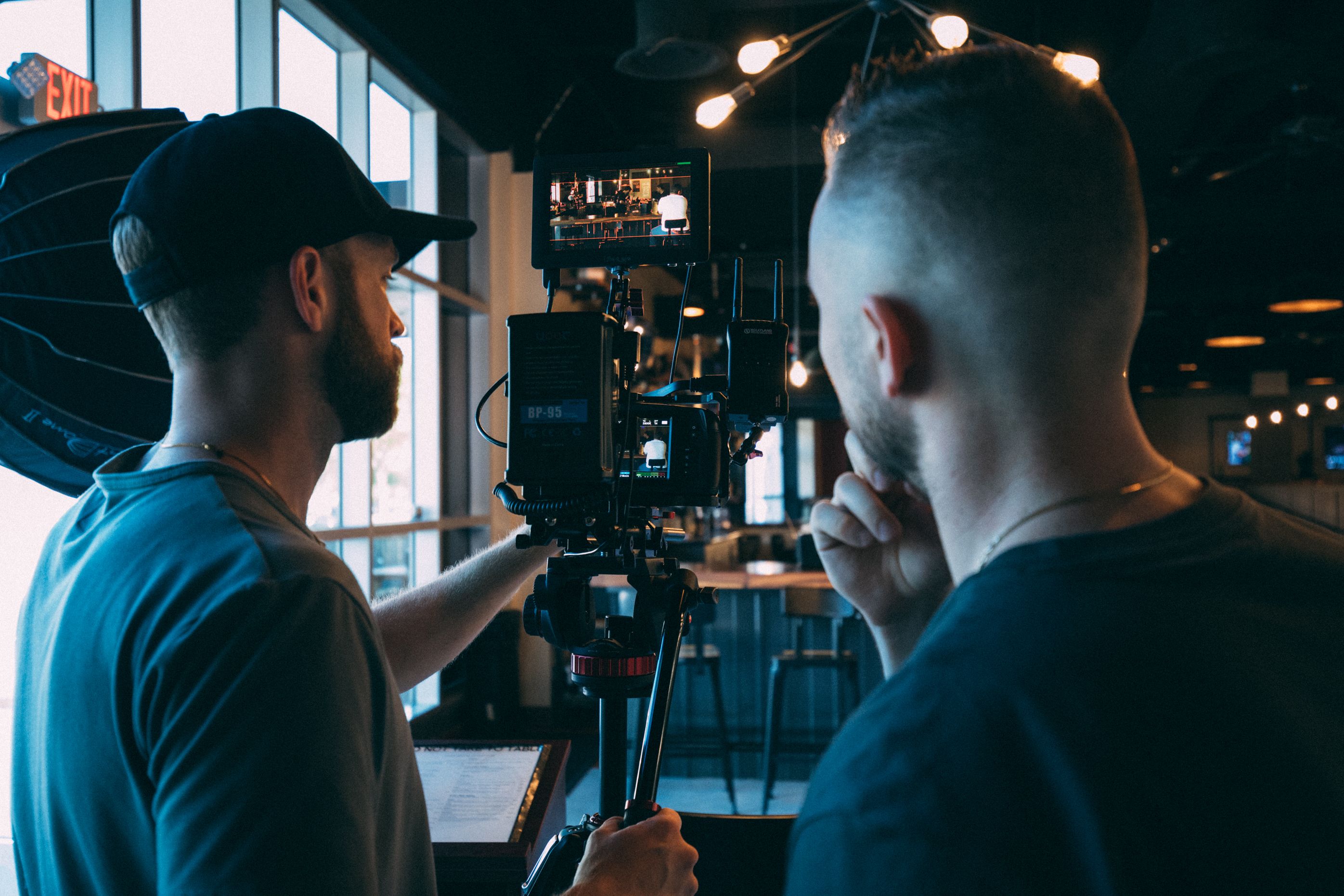
In the world of modern video games, a character's voice isn't just a delivery mechanism for lines of dialogue—it's the emotional core that makes players care. Whether it's the gravelly determination of a battle-hardened warrior or the sly wit of a cunning companion, the right vocal performance can transform a digital avatar into someone players feel they truly know. For global releases, especially in RPGs with rich branching narratives, multilingual voice overs elevate this connection across cultures, turning localized versions from functional adaptations into experiences that resonate just as deeply as the original.
Understanding the Player's Connection Through Voice
Voice acting has become indispensable to immersion. Studies and industry observations show that high-quality audio helps players forget they're controlling pixels on a screen. One analysis from gaming immersion research highlights how audio design, including voice, shapes emotional tone and spatial awareness in ways visuals alone cannot, with strong vocal performances directly contributing to memorable player experiences and even sales impact.
In RPGs, where dialogue drives story and relationships, poor localization can break the spell. Players notice when a character's accent feels off, emotions don't land, or cultural nuances get lost. Effective multilingual dubbing preserves the original intent while adapting to local expectations—think natural idioms, rhythmic flow that matches lip movements, and voices that embody personality traits specific to each language's cultural context.
Casting with Character Depth in Mind
Successful voice casting starts with deep character analysis. Developers and directors don't just look for "a deep voice" or "a British accent." They map vocal qualities to personality, backstory, motivations, and arc. A stoic guardian might need controlled restraint with subtle cracks under pressure, while a trickster ally requires quick shifts in tone and playful inflection.
This process mirrors live-action casting but adds layers unique to games: consistency across hundreds of lines, support for branching paths, and performance that holds up during repeated playthroughs. Voice actors often record in isolation, relying on detailed briefs about context, emotions, and relationships. The best ones bring the character to life by internalizing fears, quirks, and growth, making even minor NPCs feel alive and contributing to a living world.
For multilingual projects, this gets more complex. Casting teams seek actors who not only match the character's essence but can convey it authentically in the target language. Bilingual talent or culturally attuned performers often excel here, avoiding the flat delivery that plagues rushed localizations. The result? Greater player empathy and retention, particularly in markets where native-language audio is expected.
Real-World Impact and Evolving Practices
Look at major titles like The Witcher 3, praised for its natural-feeling localized dialogue and accents that enhance rather than distract. Reviewers frequently note how thoughtful adaptations—sometimes tweaking cultural references or humor—make the world feel genuine in new languages. Similarly, Japanese RPGs like those in the Persona or Ace Attorney series have evolved their localization approaches over time, balancing cultural preservation with idiomatic, engaging English (and other) dialogue that respects player expectations.
These successes aren't accidental. The global video game market demands it: as player bases expand beyond traditional strongholds, full dubbing in key languages (EFIGS and beyond) has become a differentiator. Trends show rising demand for diverse voices, including more opportunities for female and minority actors, alongside sophisticated localization pipelines that handle everything from text to full audio.
Yet challenges remain. Branching dialogues, variable pacing, and technical constraints like file size or engine integration require early planning. Teams that invest in professional casting and direction see better reviews, stronger fan connections, and broader market appeal. Voice acting isn't an afterthought—it's core narrative architecture.
Hiring and Partnering for Quality
When hiring video game voice actors for multilingual projects, look beyond reels. Prioritize experience with game scripts, understanding of performance capture nuances, and cultural insight. Studios often collaborate with specialized localization partners who manage casting, recording, direction, and integration to ensure seamless results.
This approach delivers new insights into player engagement: voices that feel right don't just inform—they evoke. They heighten tension in critical moments, add levity to friendships, and make choices feel weighty. In an industry where immersion drives loyalty, multilingual voice overs are a powerful tool for standing out globally.
For teams seeking expert support in bringing characters to life across languages, Artlangs Translation stands out with its command of over 230 languages and a track record of excellence in game localization, video localization, short drama subtitling, multilingual dubbing for games, short dramas, and audiobooks, plus data annotation and transcription. With more than 20 years of dedicated service and a network of over 20,000 professional collaborators, the company has powered numerous high-profile projects in translation, localization, and immersive audio production. Their focus on these specialized areas ensures projects achieve both technical precision and genuine cultural depth.