
Securing ironclad international protection for your latest game engine breakthroughs hinges on precise game engine patent localization translation. One mismatched term or culturally off description can render a patent unenforceable in key markets, turning months of R&D into unprotected IP. For studios filing in the US, Europe, and Southeast Asia, the stakes are especially high—your core algorithms and rendering systems must read identically to examiners and competitors alike, no matter the language.
Why Poor Localization Undermines Game Engine Patents
Game engine patents live at the intersection of code, creativity, and law. A single mistranslated phrase about real-time ray tracing, procedural generation, or AI-driven physics can create ambiguity that invalidates claims or invites challenges. Developers often discover too late that generic translators—strong in general technical language—still stumble over gaming-specific terminology like “shader pipelines,” “LOD optimization,” or “multi-threading synchronization.” The result? Core technology fails to land in target jurisdictions, leaving lucrative markets wide open to copycats.
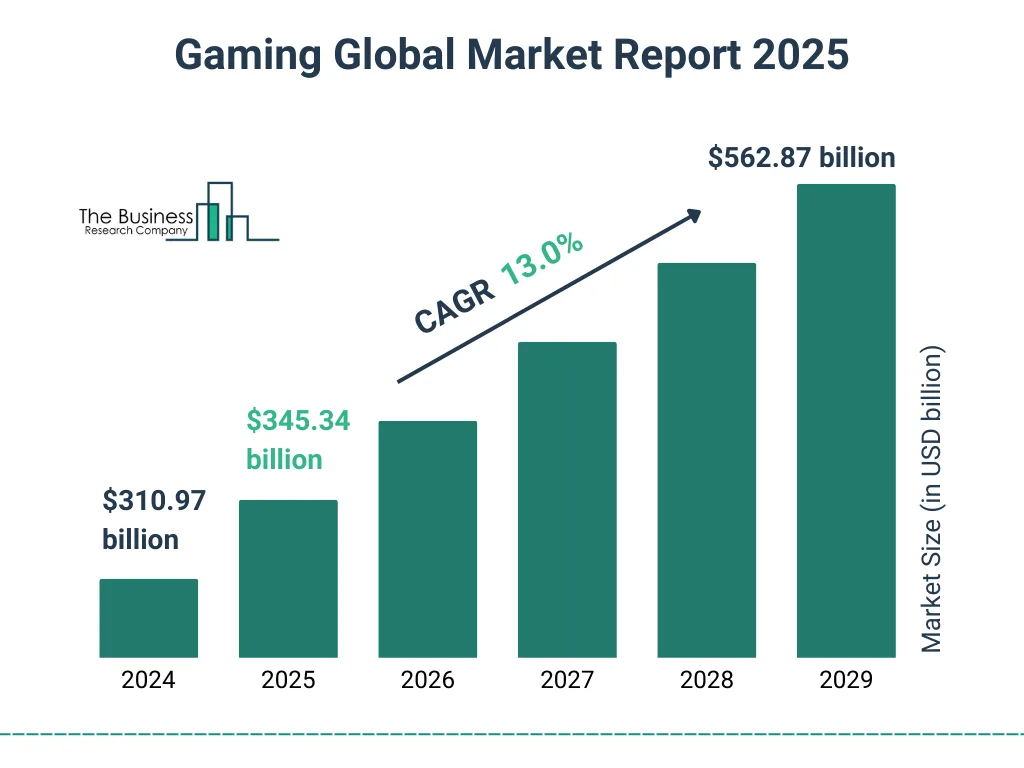
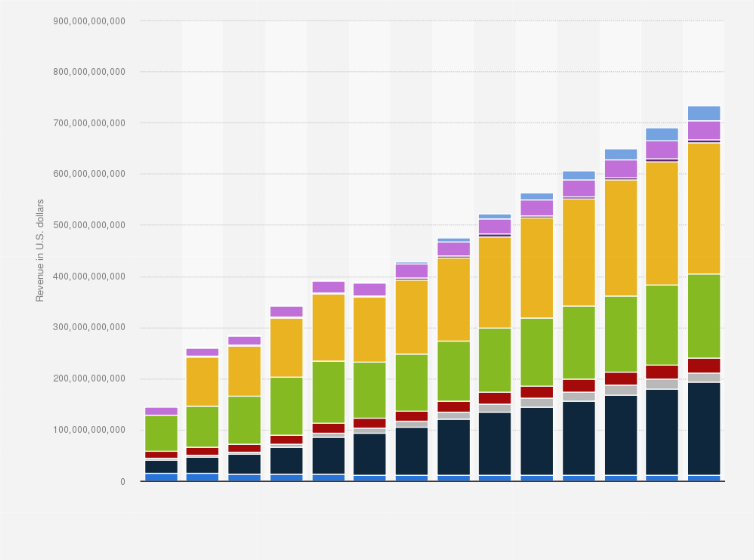
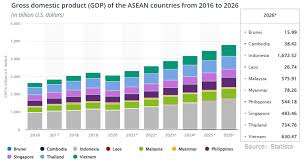
This risk is exploding alongside industry growth. The global games market is on track to generate roughly $189 billion in 2025, with Southeast Asia alone contributing over $5.5 billion and climbing steadily. At the same time, video game-related patent filings jumped from about 7,964 in 2019 to 9,510 in 2023. Game engine and development technologies now account for dozens of new filings monthly across major offices. Yet the majority of these patents still originate from teams that underestimate localization demands.
The Real-World Pain Points Developers Face
Most studios we speak with share the same four frustrations:
Terminology drift kills protection. Cultural and linguistic gaps turn “dynamic load balancing” into something vague that examiners reject or rivals exploit.
Lost market share in high-growth regions. Without accurate Southeast Asia localization (Thai, Vietnamese, Indonesian, Malay), patents that protect US and EU filings become meaningless where mobile-first gaming dominates.
Ordinary translators simply don’t speak engine. They lack hands-on experience with Unity, Unreal, or custom engines, so they miss context that only comes from years inside actual game production.
Fear that core IP won’t survive global filing. One weak translation can cascade into costly office actions, amendments, or outright abandonment—exactly what keeps CTOs and IP counsel up at night.
How Deep Game Localization Experience Solves Patent Challenges
Here’s what changes everything: treating patent localization the same way professional game studios handle full title releases. The same precision required for immersive UI text, quest dialogues, and real-time subtitles applies directly to patent claims, abstracts, and drawings.
Our team draws on extensive game localization work—short drama subtitle localization, full game UI/UX adaptation, and multi-language dubbing—to deliver patent translations that maintain perfect technical consistency. When we localize a game engine patent, we don’t just swap words. We ensure every description of rendering pipelines, collision detection, or network synchronization reads identically across English, Chinese, and Southeast Asian languages while complying with USPTO, EPO, and local IP office standards.
This isn’t theoretical. We’ve helped studios protect proprietary engine features for titles targeting both Western AAA markets and fast-growing Southeast Asian mobile audiences. The same native linguists who localize in-game cinematics and short-form drama content now apply that cultural fluency to patent specifications, eliminating the disconnect that generic services create.
Proven Results You Can Trust
Consider one recent project: a Chinese developer with a breakthrough procedural world-generation algorithm needed simultaneous filing in the US, Europe, and three Southeast Asian countries. Ordinary agencies delivered translations with inconsistent terminology across the 40-page specification. Our game-specialized team performed a full technical review alongside native patent-savvy linguists, producing a unified set of documents that sailed through initial examination with zero substantive rejections on translation grounds.
We even documented the entire process in a short case study video—watch it here to see how we preserved every algorithmic detail while adapting phrasing for each jurisdiction.
For teams already working on short dramas or full game releases, the synergy is seamless. Our short drama subtitle localization services use the exact same workflow and quality controls, letting you bundle patent protection with content expansion under one roof.
What Sets Specialized Game Engine Patent Localization Apart
Native gaming experts only. Every translator has shipped multiple game titles and understands engine architecture from the inside.
Multi-stage technical + legal review. Dual checks ensure both accuracy and enforceability.
Full Southeast Asia coverage. Beyond English-Chinese, we deliver fluent, market-ready versions for Thailand, Vietnam, Indonesia, and beyond.
Consistent terminology databases. We maintain living glossaries across your entire IP portfolio and game products.
Ready to Protect Your Engine Innovations Globally
Your next game-changing engine feature deserves more than “good enough” translation—it deserves the same care you put into building it. When you choose a partner that lives and breathes game development, game engine patent localization translation stops being a risk and becomes your competitive edge.
At Artlangs Translation, we bring over two decades of focused expertise across 230+ languages. From full-scale video localization and short drama subtitle localization to game localization, multi-language dubbing for short dramas and audiobooks, plus multi-language data annotation and transcription, we’ve built a track record of excellence that leading studios rely on. Whether you’re filing your first international patent or scaling an entire IP portfolio, our proven cases and deep industry immersion ensure your core technology lands exactly as intended—everywhere it matters.
Contact us today to discuss your game engine patent project. Let’s turn your innovation into protected global advantage.