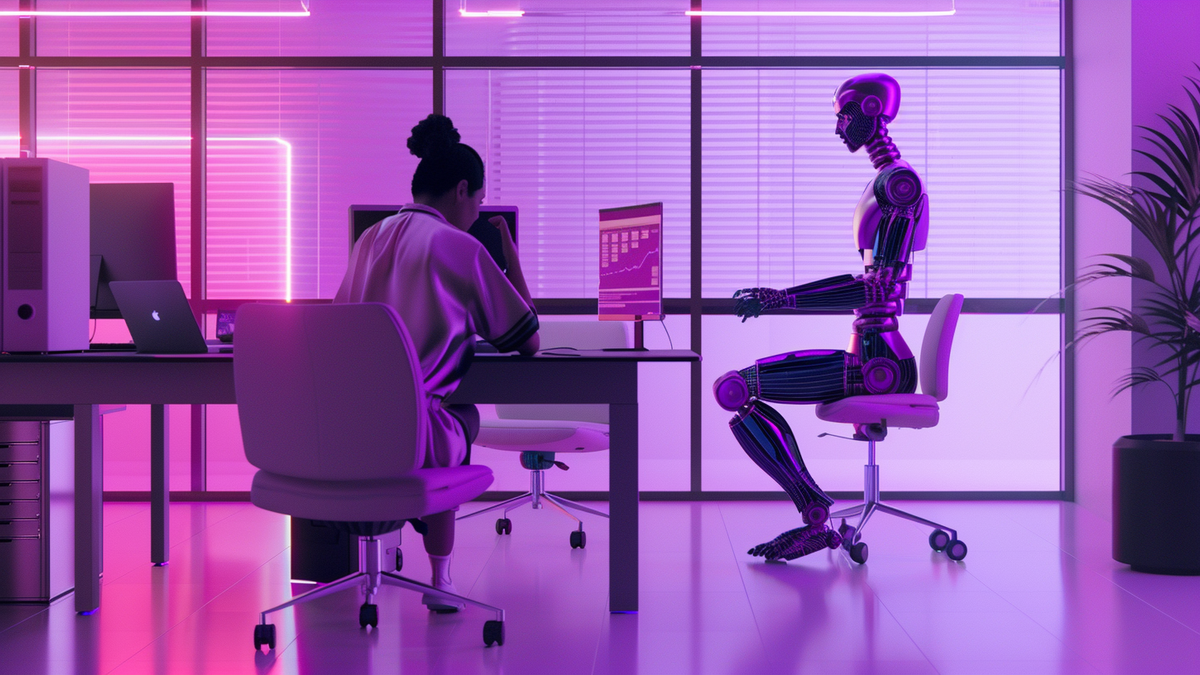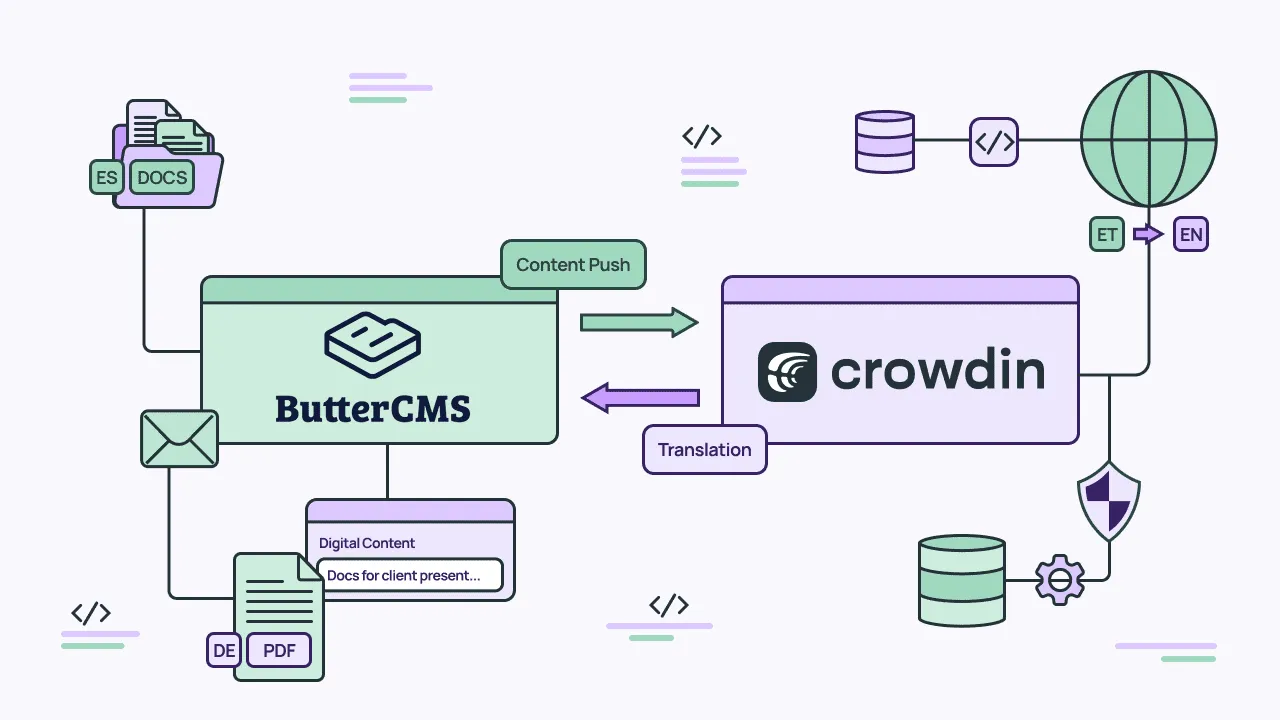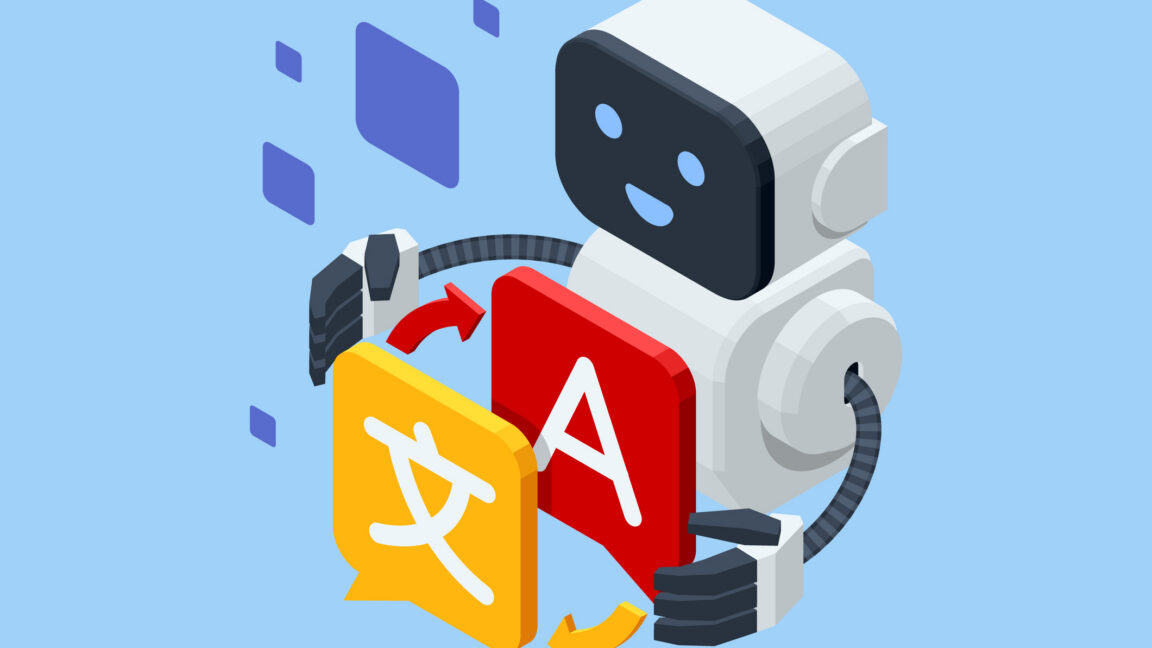
If you’ve found yourself searching for what is MTPE in 2026, you’re not alone. The term keeps coming up in boardrooms, project briefs, and late-night Slack threads because it quietly became the practical answer to one of the translation industry’s biggest headaches. MTPE stands for Machine Translation Post-Editing: you run your content through a powerful neural or LLM-powered engine, then skilled linguists step in to refine, correct, and polish the output until it reads naturally and accurately. It’s not raw AI. It’s not old-school human translation from scratch. It’s the hybrid middle ground that actually works at scale.
The shift happened fast. Translators watched pure machine output eat into their rates and client expectations, while businesses grew tired of complaints about stiff phrasing, missed nuances, or outright errors that required costly fixes. MTPE stepped in as the fix that keeps human judgment in the driver’s seat while letting AI handle the first heavy lift. The numbers back this up. According to Nimdzi’s 2025 survey data, MTPE adoption across language service providers jumped from 26% in 2022 to nearly 46% in 2024 — a 75% relative increase in just two years. More telling: by 2024, 62.6% of LSPs were running over 30% of their projects through MTPE workflows, up sharply from 29.1% earlier. For many teams, it has moved from an experiment to the default production baseline.
How We Got Here: A Quick Look Back
Machine translation isn’t new. Early attempts in the 1950s relied on rigid rules and dictionaries. Statistical models in the 2000s brought statistical probability into play. Then neural MT in the 2010s changed everything by learning patterns from massive parallel corpora. Tools like Google Translate and DeepL started producing drafts that felt eerily fluent for everyday language pairs.
The 2020s brought large language models into the mix, speeding things up even more but also introducing fresh problems — occasional hallucinations, tone mismatches, or cultural blind spots. That’s precisely when post-editing matured into its current form. Instead of fighting the machine, teams learned to guide it. The global language services market, which hit roughly $71.7 billion in 2024 and is heading toward $75.7 billion in 2025, has leaned heavily on this hybrid model to keep pace with exploding content demand from e-commerce, internal comms, marketing, and regulated industries.
Light MTPE Versus Full MTPE: Two Different Tools for Different Jobs
Not every project needs the same level of human attention. Industry practice now clearly separates two tiers.
Light MTPE keeps changes minimal. The goal is accuracy and basic readability. Fix obvious meaning errors, clean up grammar that confuses the reader, but don’t rewrite for style or flair. It shines on internal wikis, large knowledge bases, user-generated content, or high-volume product listings where speed matters more than literary polish. Experienced editors routinely push through 4,000 to 8,000 words a day here.
Full MTPE goes deeper. Editors treat the machine draft as raw material and shape it until it matches the quality of professional human translation. They adjust tone, ensure cultural fit, lock in consistent terminology, and smooth the flow so the text feels native. This level is essential for customer-facing pages, legal contracts, medical instructions, or anything that touches brand reputation or compliance. Daily output typically lands between 3,000 and 5,600 words — still far ahead of the traditional 2,000-word human benchmark.
The productivity gap is real. Recent analyses show MTPE delivering an average 66% speed advantage over pure human translation, though results vary by language pair and content type. Here’s a practical side-by-side based on 2025–2026 industry benchmarks:
| Aspect | Light MTPE | Full MTPE | Pure Human Translation |
|---|---|---|---|
| Primary Goal | Understandable and accurate | Human-quality fluency and nuance | Full creative control |
| Editing Depth | Fix meaning + obvious errors | Style, tone, culture, consistency | Everything from scratch |
| Typical Daily Output | 4,000–8,000 words | 3,000–5,600 words | ~2,000 words |
| Average Cost per Word | $0.05–$0.08 | $0.08–$0.15 | $0.15–$0.30 |
| Best Use Cases | Internal docs, FAQs, bulk content | Marketing, legal, medical, public | High-stakes creative or regulated |
| Risk Profile | Low | Medium to high | Highest control |
These ranges come straight from Nimdzi reports, EU Translation Centre guidelines, and real LSP benchmarks. The savings add up quickly when volume scales.
The MTPE Workflow That Actually Delivers
A smooth MTPE process isn’t mysterious. It follows a repeatable sequence that most mature teams now run inside modern CAT tools.
Start with source preparation — clean, consistent text with clear terminology and minimal ambiguity. Feed it into a well-chosen engine (sometimes a custom fine-tuned model). Modern systems include quality estimation scores that flag low-confidence segments automatically.
Next comes triage: high-risk or low-score parts get routed for priority human eyes, while strong output can move faster. Then the core step — post-editing itself. Linguists work in a side-by-side interface showing source, machine draft, translation memory hits, and approved glossaries. They apply light or full editing as scoped.
A quick quality assurance round follows, blending automated checks for consistency with targeted human review on critical projects. Finally, delivery happens and edits feed back into the system to improve future machine performance. The loop is what makes it smarter over time.
In platforms such as Phrase, memoQ, or Lokalise, this entire flow can run with minimal manual handoffs, often cutting turnaround by half or more while keeping every change traceable.
Real Results: What MTPE Looks Like in Action
An e-commerce retailer expanding into Southeast Asia needed to localize 150,000 product descriptions across eight languages. Raw MT gave them drafts overnight. Full MTPE editors focused on brand voice and local nuance. The project wrapped in ten business days instead of the usual six weeks. Costs dropped around 55%, localized page engagement improved noticeably, and customer support tickets tied to unclear descriptions fell.
In the legal space, a multinational needed contracts and compliance materials in twelve languages. They applied light MTPE to internal reference versions and full MTPE to client-facing documents. The hybrid approach trimmed expenses by nearly 48% and eliminated the round of awkward-phrasing complaints that had become routine with earlier pure-MT attempts.
A medical device maker faced similar pressure with user manuals and instructions for eighteen markets. Full MTPE ensured regulatory terminology stayed precise and culturally appropriate. The process met ISO and local authority standards while shaving three weeks off the launch timeline. Post-launch error-related support tickets dropped more than 40%.
These stories repeat across sectors. When the workflow is tight and editors are properly briefed, MTPE routinely delivers 40–60% cost savings and 50–60% faster delivery without compromising the quality clients expect.
Why It Works — and How to Make It Work for You
Success hinges on a few practical habits. Feed the engine strong source text and detailed reference materials. Match the right engine to the language pair and domain. Compensate post-editors fairly so they stay engaged rather than burned out. Track metrics like edit distance and time per segment to keep refining the process.
The biggest mindset shift is treating post-editors as partners who add value, not cheap proofreaders. When that happens, quality climbs and the whole system improves with every project.
Frequently Asked Questions
What exactly does MTPE stand for?Machine Translation Post-Editing — human refinement of machine-generated drafts.
Is full MTPE as good as traditional human translation?For most commercial and technical content, yes. It often matches or exceeds human quality while being significantly faster and more affordable.
How much should I expect to pay?Realistic 2026 averages run $0.05–$0.08 per word for light MTPE and $0.08–$0.15 for full, versus $0.15–$0.30 for pure human work.
Will MTPE replace human translators entirely?No. It changes the role toward higher-value editing, domain expertise, and quality oversight. Skilled post-editors remain in demand.
Which content types benefit most?High-volume technical material, e-commerce, marketing, training content, and internal communications. High-risk legal, medical, or creative work often layers MTPE with extra expert review.
MTPE in 2026 isn’t a futuristic promise — it’s the everyday reality that lets companies scale multilingual content without choosing between speed, cost, or quality. It directly eases the pressure many translators have felt from pure AI disruption and the frustration businesses have experienced with unedited machine output.
At Artlangs Translation we’ve lived this evolution for years. Proficient in more than 230 languages, our teams have spent the better part of a decade specializing in full-spectrum localization — from video localization and short drama subtitle work to game localization, multi-language dubbing for short dramas and audiobooks, plus extensive multi-language data annotation and transcription. The experience has given us a clear view of what actually works in MTPE workflows and where the pitfalls hide. We’ve turned that insight into reliable results for clients across industries and continents.
If your team is ready to move past the limitations of raw machine translation or the expense of traditional methods, our MTPE services are built for exactly that. Head over to our MTPE services page or reach out today for a no-pressure assessment and custom quote. The future of translation isn’t about replacing people — it’s about giving them the right tools to do their best work faster. Let’s make that happen together.