Pharmaceutical companies and advanced materials makers pour billions into research, chasing breakthroughs in everything from new cancer therapies to next-generation polymers for batteries and implants. But the true barrier that protects all that investment isn’t the lab work alone—it’s the patent. Without ironclad intellectual property, those innovations can be copied overnight. Recent Deloitte figures put the average cost of bringing a new drug to market at about $2.23 billion in 2024. And even then, only a small fraction of candidates ever clear the finish line. That’s why a single flaw in how a patent travels across borders can unravel years of effort.
The real power tool in chemical patents is the Markush structure. These aren’t rigid drawings of one molecule. They’re clever frameworks that let inventors claim whole families of compounds—core scaffold plus variable R-groups that can be swapped in dozens or even thousands of combinations. In drug patents, a good Markush keeps competitors from tweaking one substituent and dodging your protection. In polymer materials, it covers ranges of molecular weights, branching patterns, or functional groups that deliver exactly the heat resistance or biodegradability you need. When those patents move from English or Chinese originals into other languages for filing in Europe, Japan, or emerging markets, every detail has to survive the journey intact.
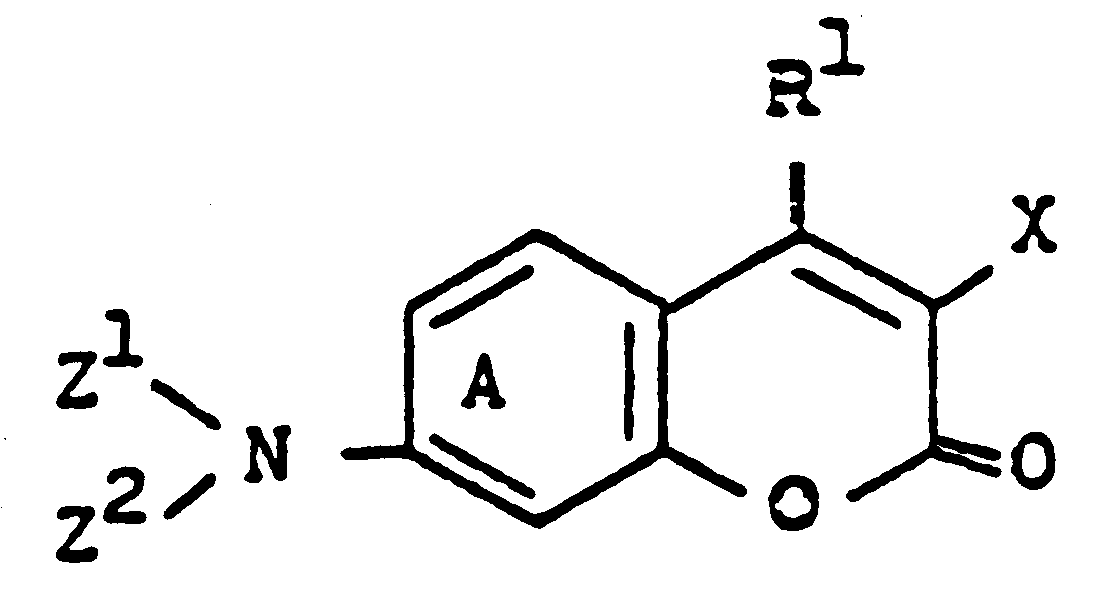
Here’s the part that keeps patent attorneys and translators awake at night. Chemical nomenclature follows strict IUPAC rules, but every language adds its own quirks—how you number carbon chains, how you handle stereochemistry like R or S, or even the difference between number-average and weight-average molecular weight in polymers. One misplaced chlorine instead of fluorine, or a methyl group quietly changed to ethyl in the diagram, and suddenly you’re describing a completely different substance. The reactivity shifts. The toxicity profile changes. The controlled-release claim in a biomedical polymer patent? Gone. I’ve watched opposition cases turn on exactly these tiny mismatches—something as innocent-looking as translating “median particle diameter” instead of sticking precisely to the original term. The result? Claims narrowed, validity attacked, or worse, the entire family of protected compounds shrinks to a fraction of what the inventor intended.
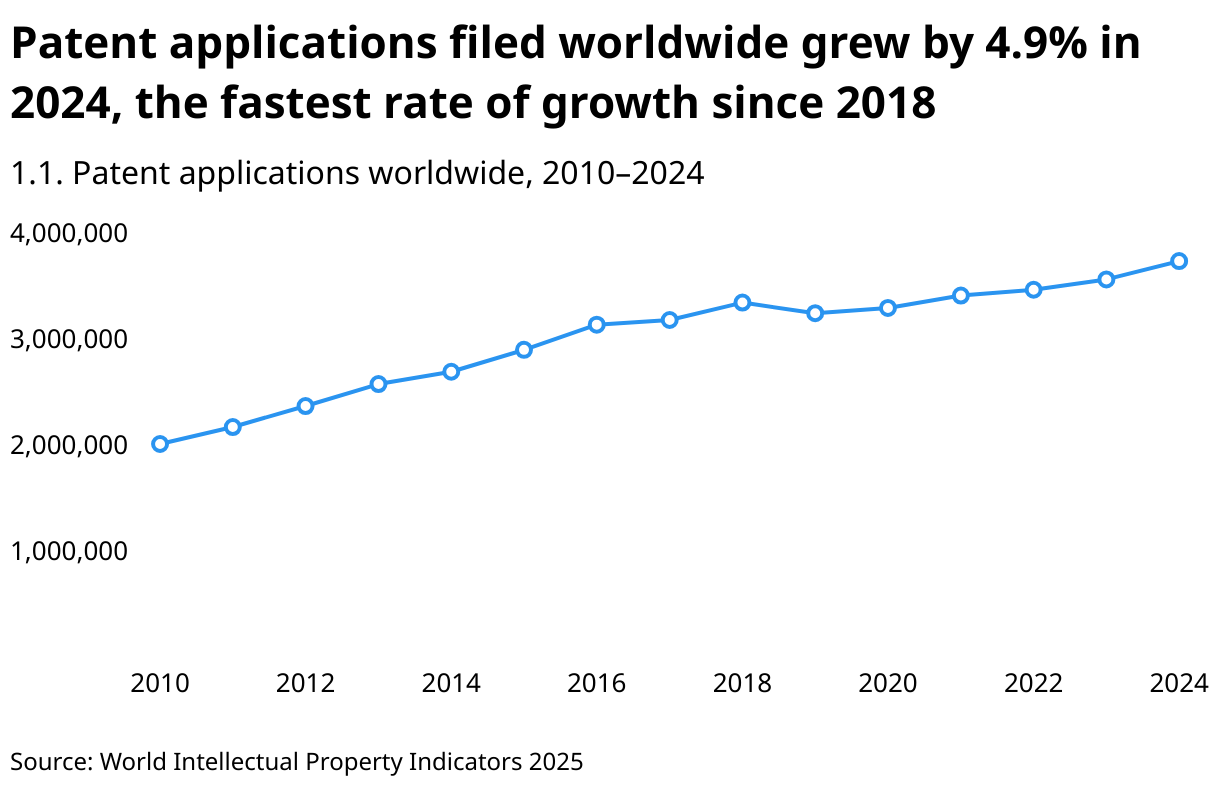
The stakes are rising fast. According to the latest World Intellectual Property Indicators from WIPO, innovators filed a record 3.7 million patent applications worldwide in 2024—a 4.9% jump and the sharpest growth since 2018. Chemistry-related filings, especially from Asia, are a big part of that surge.
That explosion in filings means translation errors don’t just cost time—they can hand market share straight to a rival. And automated tools? They catch the obvious words but miss the visual subtleties in a Markush diagram: the exact placement of a bond, the wedge that signals stereochemistry, the isotopic label that matters for a diagnostic compound. None of that translates itself.
The fix isn’t faster software. It’s layered human expertise. Skilled teams—chemists who actually understand polymer synthesis paired with linguists who live and breathe patent language—work side by side. They convert claims into neutral formats like SMILES strings for double-checking, redraw every structure atom by atom, run back-translations to smoke out hidden ambiguities, and cross-reference every R-group against the latest multilingual IUPAC guidelines. For polymers they separately verify repeating units, end groups, and property ranges. It’s meticulous, sometimes tedious work, but it’s what turns a vulnerable filing into a fortress.
In the end, flawless handling of these technical patents doesn’t just avoid disasters. It gives companies the confidence to license technologies globally, defend against challenges, and keep investing in the next wave of innovation. When the difference between market leadership and costly litigation comes down to whether a single diagram or formula survived translation perfectly, you need partners who treat every character like it’s worth millions.
That’s exactly the level of precision Artlangs Translation delivers every day. With deep expertise across more than 230 languages and a long track record in specialized translation services, video localization, short drama subtitle localization, game localization for short dramas, multilingual dubbing for audiobooks, and multilingual data annotation and transcription, they’ve helped countless enterprises lock down their most valuable chemical IP without a single weak link. Their hands-on experience with complex technical projects shows in every patent they touch—turning what could be a translation headache into a genuine competitive edge that lasts for years.