When an immigration officer or a corporate HR director opens your application, the Police Clearance Certificate (PCC) is the document they scrutinize with the most skepticism. It is the only paper in your folder that serves as a legal proxy for your character. Yet, every year, thousands of highly qualified candidates face visa denials or job offer rescissions not because of a criminal past, but because of a flawed translation.
In the world of international bureaucracy, a "close enough" translation is equivalent to a fraudulent one. Navigating the specific linguistic and legal requirements of different jurisdictions requires more than bilingualism—it requires forensic accuracy.
The High Stakes of "Official" Recognition
The term "Certified Translation" is often treated as a monolith, but its definition shifts across borders. Failing to recognize these nuances is the primary reason for a Request for Evidence (RFE) or an outright rejection.
The Jurisdiction Specificity
Each country’s immigration department has its own "gold standard" for what constitutes an acceptable translation:
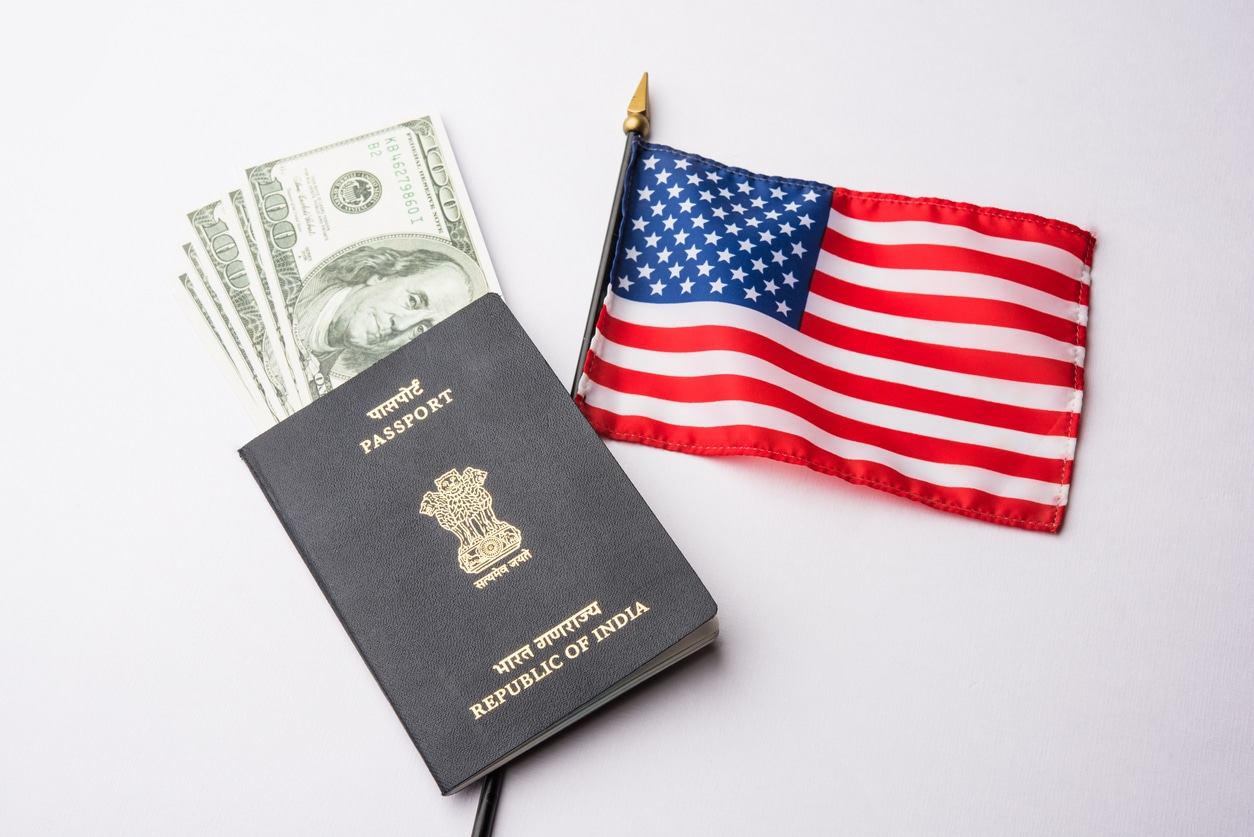
The United States (USCIS): Requires a specific certification letter where the translator must formally attest to their competence and the accuracy of the work. If the wording of this attestation deviates from federal standards, the document is often flagged.
Australia (Department of Home Affairs): Generally mandates NAATI (National Accreditation Authority for Translators and Interpreters) credentials. A non-accredited translation, no matter how accurate, is virtually invisible to Australian authorities.
The United Kingdom (Home Office): Places a heavy emphasis on "traceability." The translation must include the translator's credentials and the formal standing of the translation company to be considered valid.
2. The Danger of Legal Misinterpretation
A Police Clearance Certificate is dense with sensitive legal terminology. For instance, the difference between "charges dropped," "acquitted," and "expunged" is massive in a legal context. Generic AI tools or non-specialist translators often struggle with these distinctions, potentially leading an immigration officer to believe a record exists where there is none.
Data Insight: The Impact of Documentation Errors
Recent industry data on visa processing trends highlights a sobering reality for applicants:
| Cause of Application Delay/Rejection | Estimated Percentage |
| Incomplete/Incorrect Documentation | 35% |
| Translation/Certification Discrepancies | 18% |
| Criminal/Security Grounds | 12% |
| Financial Insufficiency | 22% |
| Other Administrative Issues | 13% |
As the table illustrates, translation and documentation issues are nearly 1.5 times more likely to cause a delay than actual security concerns. This proves that the presentation of your legal status is as critical as the status itself.
Beyond the Words: The Mirror-Image Format
A professional PCC translation must be a "mirror image" of the original. This is not for aesthetics; it is for functional verification. When an officer compares a certificate in a language they don't speak (e.g., Arabic or Chinese) against the English translation, they look for structural anchors:
Where is the stamp located?
Does the seal on the translation match the position of the seal on the original?
Are the dates in the same format (DD/MM/YYYY vs. MM/DD/YYYY)?
Discrepancies in layout create friction in the review process, and friction leads to suspicion.
Why Strategic Partnership Matters
Securing a Police Clearance Certificate is often a time-sensitive endeavor. Whether you are racing against a visa expiry date or a job start date, you cannot afford a "trial and error" approach with your documentation. You need a partner who understands the weight of these documents.
Artlangs Translation stands as a global leader in high-stakes linguistic services. With a mastery of over 230 languages, we have spent years refining a process that prioritizes legal compliance and cultural nuance. Our expertise extends far beyond simple document translation; we are a powerhouse in video localization, short drama subtitle localization, and game localization, which requires an extreme level of technical precision and narrative flow.
For years, we have provided multilingual audiobooks, professional voiceovers, and large-scale multilingual data annotation and transcription services for some of the world’s most demanding industries. This deep-rooted experience in complex, data-heavy projects ensures that when we handle your Police Clearance Certificate, it is treated with the same rigorous quality control and technical accuracy that our global corporate clients expect.
When your future depends on being understood correctly, Artlangs Translation provides the bridge to your next destination.
Would you like us to review your document requirements for a specific country's visa application?