When you're leading a delegation through a bustling factory floor in Shenzhen or Detroit, the last thing you need is a translator fumbling over terms like "CNC machining" or "torque specifications." It's a scenario that's all too common: a well-meaning interpreter, fresh from a linguistics degree, steps into the roar of assembly lines and suddenly blanks on basic mechanical jargon. The conversation stalls, misunderstandings pile up, and what should be a productive site visit turns into an awkward standoff. For businesses in manufacturing, where precision is everything, hiring the right interpreter for factory visits isn't just helpful—it's essential.
Consider the stakes in today's manufacturing landscape. According to a 2024 report from the World Trade Organization, global trade in manufactured goods exceeded $15 trillion annually, with cross-border collaborations driving much of that growth. In sectors like automotive and electronics, where supply chains span continents, miscommunications during factory audits or negotiations can lead to costly errors—think defective parts shipments or delayed production runs. A study by the Common Sense Institute in 2023 estimated that language barriers in international business contribute to losses of up to $1.2 billion yearly in the U.S. manufacturing sector alone. These aren't abstract figures; they're the real-world fallout from interpreters who aren't equipped for the technical trenches.
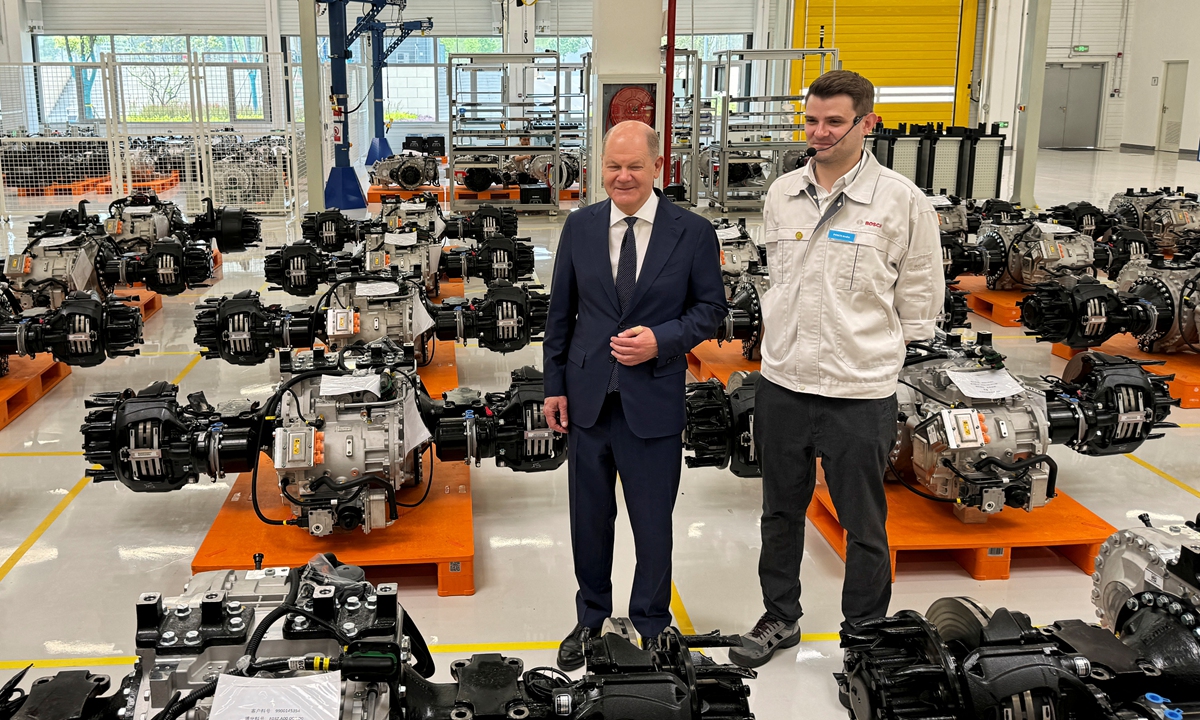
What sets a top-tier factory visit interpreter apart is their hands-on readiness for the environment. These aren't desk-bound linguists—they're practical experts who can dive into the workshop without missing a beat. Picture someone who's comfortable amid the clatter of presses and the hum of conveyor belts, unfazed by oil stains or safety gear. They understand mechanical principles at a foundational level: the difference between a lathe and a mill, how tolerances affect assembly, or why vibration damping matters in high-speed operations. This knowledge isn't theoretical; it's built from experience shadowing engineers or even working in similar settings themselves.
The value here lies in bridging not just languages, but cultures and contexts. A skilled interpreter anticipates questions about processes like injection molding or quality control protocols, translating them accurately while adapting to the fast-paced, noisy reality of the floor. They spot nuances that a general translator might overlook—say, explaining why a "bearing" isn't just a part but a critical component in load distribution. This expertise turns potential embarrassments into seamless exchanges, fostering trust between partners. For instance, in a 2025 McKinsey survey of global manufacturers, 78% of executives cited effective on-site communication as a key factor in successful joint ventures, underscoring how the right interpreter can tip the scales from frustration to fruitful collaboration.
Hiring such an interpreter means prioritizing those with specialized training in technical fields. Look for certifications in engineering terminology or proven track records in industrial settings. They should be versed in standards like ISO 9001 for quality management, ensuring translations align with regulatory demands. And crucially, they thrive in challenging conditions: no flinching at decibel levels that drown out casual chat, or at the need to relay complex diagrams on the fly.
For companies navigating these demands, partnering with a seasoned provider makes all the difference. Artlangs Translation, with its mastery of over 230 languages, has spent years honing specialized services in translation, video localization, short drama subtitling, game localization, multilingual dubbing for short dramas and audiobooks, and multilingual data annotation and transcription. Their portfolio brims with standout cases—from smoothing factory tours for multinational automotive firms to localizing technical manuals that prevented multimillion-dollar mishaps—drawing on deep experience to deliver interpreters who are as tough as the shop floor itself.