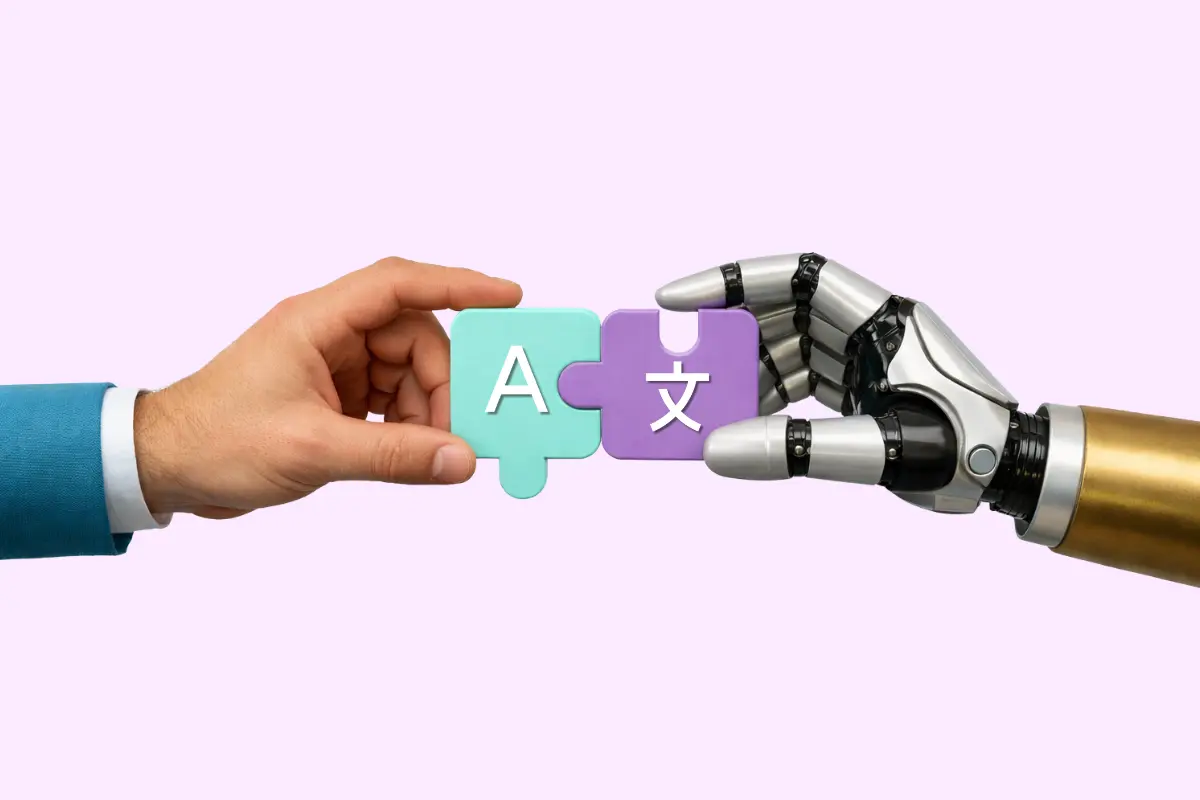
Expanding a patent beyond your home country means stepping into a maze of languages, laws, and technical details that can make or break your intellectual property protection. For businesses and inventors aiming to go global, reliable foreign patent translation services are the key to making sure your application doesn't get lost in translation—literally. These services handle the heavy lifting, turning complex documents into versions that resonate with patent offices worldwide, all while preserving the original intent and precision.
Look at the numbers driving this need. The World Intellectual Property Organization (WIPO) reported a staggering 3.7 million patent applications filed globally in 2024, up 4.9% from the year before and continuing a five-year streak of growth. China topped the list with roughly 1.8 million filings, while the U.S. wasn't far behind, highlighting how innovation is spilling across borders more than ever. On the international front, applications under the Patent Cooperation Treaty (PCT) edged up 0.5% to about 273,900 in 2024, showing steady interest in cross-border protections. With Asia accounting for around 65-70% of worldwide filings, it's clear that anyone serious about IP needs to navigate this multilingual terrain effectively.
But here's where things get tricky for many applicants: the vast differences in foreign regulations. Patent rules aren't universal—what flies in one jurisdiction might crash in another. Take novelty requirements, for example. Europe demands absolute novelty under the European Patent Convention, meaning no prior public disclosure anywhere, while places like the U.S. or Japan offer grace periods for certain reveals. If your translation doesn't adapt to these subtleties, you could end up with rejections or endless revisions. And then there's the adaptability issue—off-the-shelf translations often stumble on specialized terms, leading to vague phrasing that examiners love to poke holes in. I've seen cases where a poorly handled term like "prior art" shifted meanings just enough to spark disputes, as in the opposition proceedings for European Patent EP2022349, where translation glitches fueled arguments over validity and cost companies dearly in time and money. It's frustrating, especially when you're already juggling tight deadlines in competitive industries.
To sidestep these headaches, a solid translation process is non-negotiable. It kicks off with a deep dive into your original patent, pinpointing critical elements like claims and specifications that need to sync with the target country's standards. Experts in both linguistics and technical fields—think engineers or IP lawyers with language skills—step in to refine the text, ensuring everything from diagrams to descriptions holds up. Next comes rigorous quality assurance: back-translations, peer reviews, and sometimes even mock examiner checks to iron out kinks. In stricter spots like Germany or Japan, you'll need certified translations to seal the deal. This step-by-step method doesn't just reduce risks; it can speed up approvals, giving you a leg up in markets where every month counts.
Ultimately, investing in top-notch foreign patent translation services pays off by shielding your innovations from IP threats that drain economies of trillions each year. It opens doors to new opportunities, letting you focus on what you do best: creating. For teams facing these challenges, aligning with experienced providers is a smart move.
Companies like Artlangs Translation stand out here, with their command of more than 230 languages and years dedicated to niche areas like translations, video localization, short drama subtitling, game adaptations, multilingual audiobook dubbing, and data annotation and transcription. Their portfolio brims with successful projects and hands-on know-how that turns complex needs into seamless