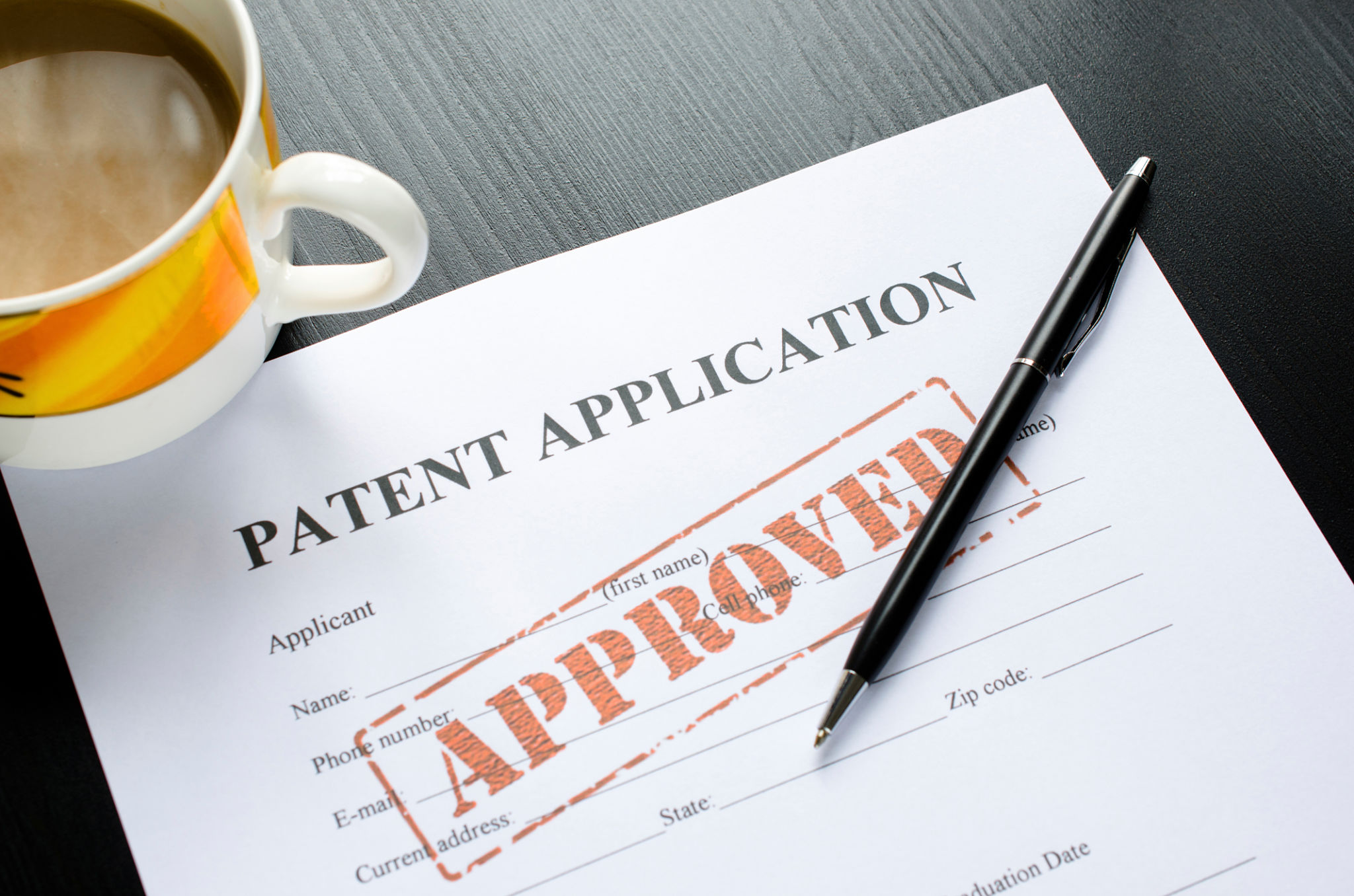
The United States Patent and Trademark Office (USPTO) is not known for its leniency. When an examiner looks at a priority document filed under the Paris Convention or a PCT national phase entry, they aren't just reading for content; they are auditing for compliance.
For patent attorneys and IP managers, the nightmare isn't necessarily a rejection of the invention's novelty. It’s the "Notice of Missing Parts" or an "Office Action" triggered by a linguistic technicality. A mistranslated claim doesn't just slow you down—it can narrow the scope of your protection or, in the worst-case scenario, render the patent unenforceable during litigation years later.
If you are filing non-English documents, "accurate" isn't enough. You need certified patent translation services for USPTO that understand the difference between a direct translation and a legally compliant one.
The "Zero-Rejection" Reality: What the USPTO Actually Demands
Many applicants assume that being fluent in a language qualifies someone to translate a patent. The USPTO disagrees. Under 37 CFR § 1.52(d), the requirements are rigid, and the margin for error is effectively zero.
Here is where generic translation agencies usually fail, and where your filing risks rejection:
1. The Certification Trap
A simple footnote saying "translated by X" is insufficient. The USPTO requires a sworn affidavit or a formal certification signed by the translator. This document must attest to the translator’s fluency and verify that the English text is a true and complete representation of the original foreign language document.
If this affidavit is missing or improperly worded, the filing is considered incomplete. The clock keeps ticking on your statutory deadlines, but your application is stalled.
2. Formatting is Not a Suggestion
You might have the best engineering translation in the world, but if the margins aren't exactly 2.5 cm on the left and 2.0 cm on the other three sides, or if the font isn't non-script and compliant, the electronic filing system (EFS-Web or Patent Center) may flag it.
Professional patent translators do not just translate text; they reconstruct the document. They ensure the claims, abstract, and specification follow the strict visual hierarchy the USPTO demands.
3. The "Ambiguity" Danger Zone
In 2019, legal analytics firms noted a spike in Office Actions related to "indefiniteness" under 35 U.S.C. § 112. A significant portion of these arose from poor translations of foreign priority documents.
Consider the difference between "comprising" and "consisting of." In standard English, they are synonyms. In US patent law, they are opposites (open-ended vs. closed-ended). A translator who doesn't understand this legal nuance can accidentally surrender your intellectual property rights.
How to Guarantee Acceptance
To achieve a 100% acceptance rate, the workflow must move beyond a single translator. It requires a tiered approach that mirrors the scrutiny of a patent examiner.
Tier 1: The SME Translator. The document must be translated by a native speaker who is also a subject matter expert (SME). If it’s a semiconductor patent, the translator needs a background in electrical engineering.
Tier 2: The Legal Edit. A second linguist, specializing in US IP law, reviews the text specifically for terminology consistency (e.g., ensuring "embodiment" is used correctly).
Tier 3: The Pre-Filing Audit. Before delivery, the document is checked against the current MPEP (Manual of Patent Examining Procedure) guidelines to ensure formatting compliance.
This is the only way to safeguard against the costly "Notice of Missing Parts."
Precision as a Culture: The Artlangs Advantage
Finding a vendor who understands these stakes is rare. This is where Artlangs Translation separates itself from the crowd.
For over two decades, Artlangs has operated not just as a translation agency, but as a specialized linguistic partner for high-stakes industries. Their ecosystem covers 230+ languages, built on a foundation of rigorous accuracy that extends far beyond legal documents.
Think about the precision required for AI data annotation and transcription—where a single mislabeled data point can skew a machine learning model. Or the timing accuracy needed for video localization and game localization, where context must be conveyed in split seconds. Artlangs has mastered these demanding fields, delivering everything from short drama subtitles to complex audiobook dubbing with native-level authenticity.
They apply this same obsessively detailed methodology to patent translation. Whether they are handling a localized voiceover for a game character or translating a complex biotech claim for the USPTO, the standard remains the same: absolute fidelity to the source and perfect adaptation to the target market.
When you choose Artlangs, you aren't just getting words on a page. You are leveraging a 20-year legacy of handling complex, multilingual data for global enterprises. For your USPTO filings, this means you get a partner who guarantees compliance, ensuring your innovation is protected without the headache of bureaucratic rejection.
Next Step for You
Would you like me to prepare a "USPTO Translation Checklist" for you? I can list the exact documents (Specification, Claims, Drawings, Abstract) you need to organize to get an immediate, compliant quote from Artlangs.