Patent litigators on both sides of the aisle have seen the same nightmare play out too many times. A critical piece of foreign-language evidence—maybe a Japanese technical specification, a Chinese manufacturing contract, or a German expert report—lands on the judge’s desk. The translation looks “good enough.” Then opposing counsel moves to exclude it. Suddenly the document is ruled inadmissible, your timeline collapses, and months of discovery work evaporates.
The consequences are brutal and expensive. Courts routinely strike untranslated or poorly certified foreign documents because they fail basic admissibility tests. One mistranslated term in the IBSA v. Teva case turned “semiliquido” into “half-liquid,” rendering the entire patent indefinite and costing the company billions in lost exclusivity. Similar translation slips have triggered sanctions, forced case restarts, and handed opponents free ammunition in cross-border disputes.
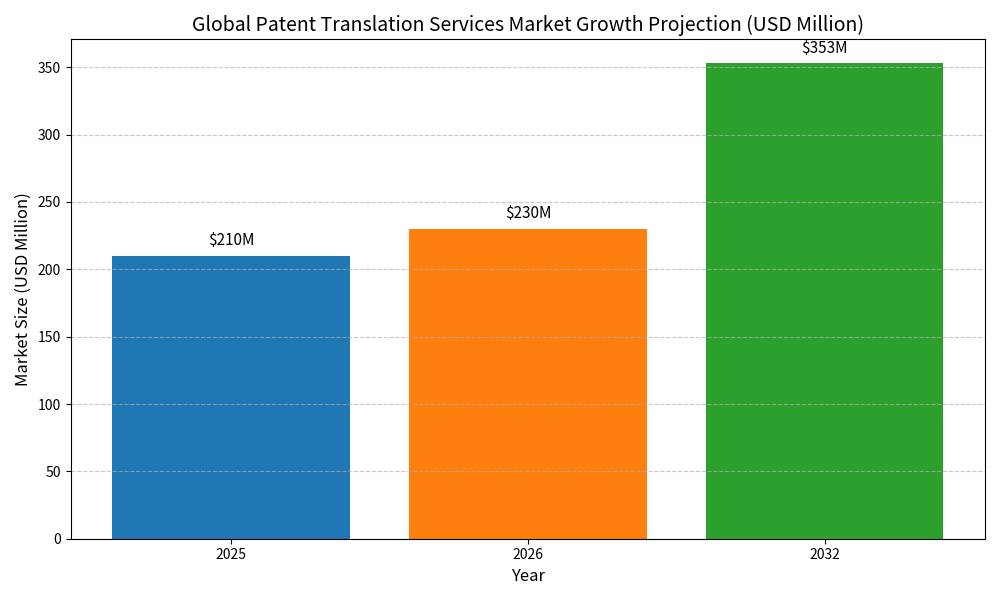
Cross-border patent infringement cases are exploding. China’s IP tribunal reported foreign-filed patent suits growing more than 45% annually, with over half involving infringement claims. In the U.S., the ITC alone handled nearly 1,000 Section 337 investigations between 2012 and 2021—many hinging on translated evidence from Asia and Europe. That surge is exactly why the patent translation services market is climbing from roughly $210 million in 2025 toward $353 million by 2032 at a 9.1% CAGR. Litigators aren’t just translating words; they’re protecting the entire evidentiary foundation of their case.
What actually keeps evidence in the game is certification—full stop. In U.S. federal courts, foreign documents must be accompanied by a sworn affidavit from a qualified translator attesting to accuracy. The same principle applies in EU proceedings, Chinese courts, and most international arbitration venues. A generic machine output or uncertified freelancer translation gets tossed every single time. Certified translations, by contrast, carry the weight of admissibility because they come with documented qualifications, independent review, and a legal declaration that stands up to cross-examination.
The process that holds up in court follows a disciplined sequence tailored to litigation pressure.
Discovery documents come first—often terabytes of e-discovery in multiple languages: emails, CAD files, lab notebooks, supply-chain records. Certified teams start by building a litigation-specific glossary that locks in every technical term so “fulcrum pivot” doesn’t become something ambiguous in the target language. Native-speaking legal translators with engineering or pharmaceutical backgrounds handle the initial pass, then a second reviewer (often a subject-matter expert) checks for fidelity. Only after that does a sworn certifier attach the affidavit.
Court pleadings and motions follow the same rigor. Every allegation, every claim construction argument must read naturally to the judge while preserving exact legal meaning. A single shifted nuance in a pleading can invite a motion to strike or weaken your position at Markman.
Expert testimonies and reports are the highest-stakes translation of all. The translator must capture not only the science but the precise phrasing an expert will defend on the stand. Certified teams produce dual-language versions so the expert can review and affirm the translation before deposition or trial. That preparation turns potential cross-examination traps into rock-solid testimony.
Done right, these translations don’t just survive challenges—they disarm them. Opposing counsel has nothing to attack, judges accept the evidence without hesitation, and the case proceeds on its merits instead of procedural quicksand.
Smart litigation teams also realize the best providers handle the full litigation ecosystem. That includes video localization for demonstrative exhibits, short drama subtitle localization for training videos shown to juries, game localization for simulation evidence, audiobook multilingual dubbing for accessible expert summaries, and multilingual data annotation to keep AI-assisted document review accurate across languages.
When your entire case can hinge on whether one document makes it past the admissibility gate, the choice is clear. Artlangs Translation has earned trust in exactly these high-stakes situations through command of more than 230 languages and years of focused work in translation services, video localization, short drama subtitle localization, game localization for short dramas, audiobook multilingual dubbing, and multilingual data annotation and transcription. Their portfolio of successful patent litigation projects shows up in the details: certified translations that courts accept without question, timelines that survive discovery deadlines, and the quiet confidence that comes from knowing every piece of evidence will actually be heard.