Let’s get straight to the nightmare scenario. Your engineering team just pulled three all-nighters to finalize a massive international Engineering, Procurement, and Construction (EPC) proposal. The technical specs are flawless, and your pricing is highly competitive. You submit the bid package. Three days later, you receive a rejection notice.
The reason? The margins on your translated technical annex didn't meet the tender's strict 1.5-inch requirement, and the translated text inside your CAD drawings overlapped the schematics.
Tendering authorities often use formatting and layout compliance as a brutal, early-stage filter to weed out bidders. Surviving this administrative cut requires moving beyond basic language translation and treating document localization as a critical engineering task in itself.
Here is a look at how top-tier contractors handle strict compliance, decode translation pricing, and leverage technology to slash localization costs.
Beating the Administrative Filter: DTP and Urgent Deadlines
When you are rushing to meet a hard tender deadline, the visual structure of your document is just as critical as the terminology. This is where mastering 国际工程EPC项目标书翻译排版与加急应对 (International EPC project bid translation formatting and urgent response) becomes your safety net.
Standard translation ruins complex layouts. For example, translating English into German usually results in text expansion of up to 30%, which will instantly break carefully formatted tables. Translating into Arabic requires flipping the entire document to a Right-to-Left (RTL) layout.
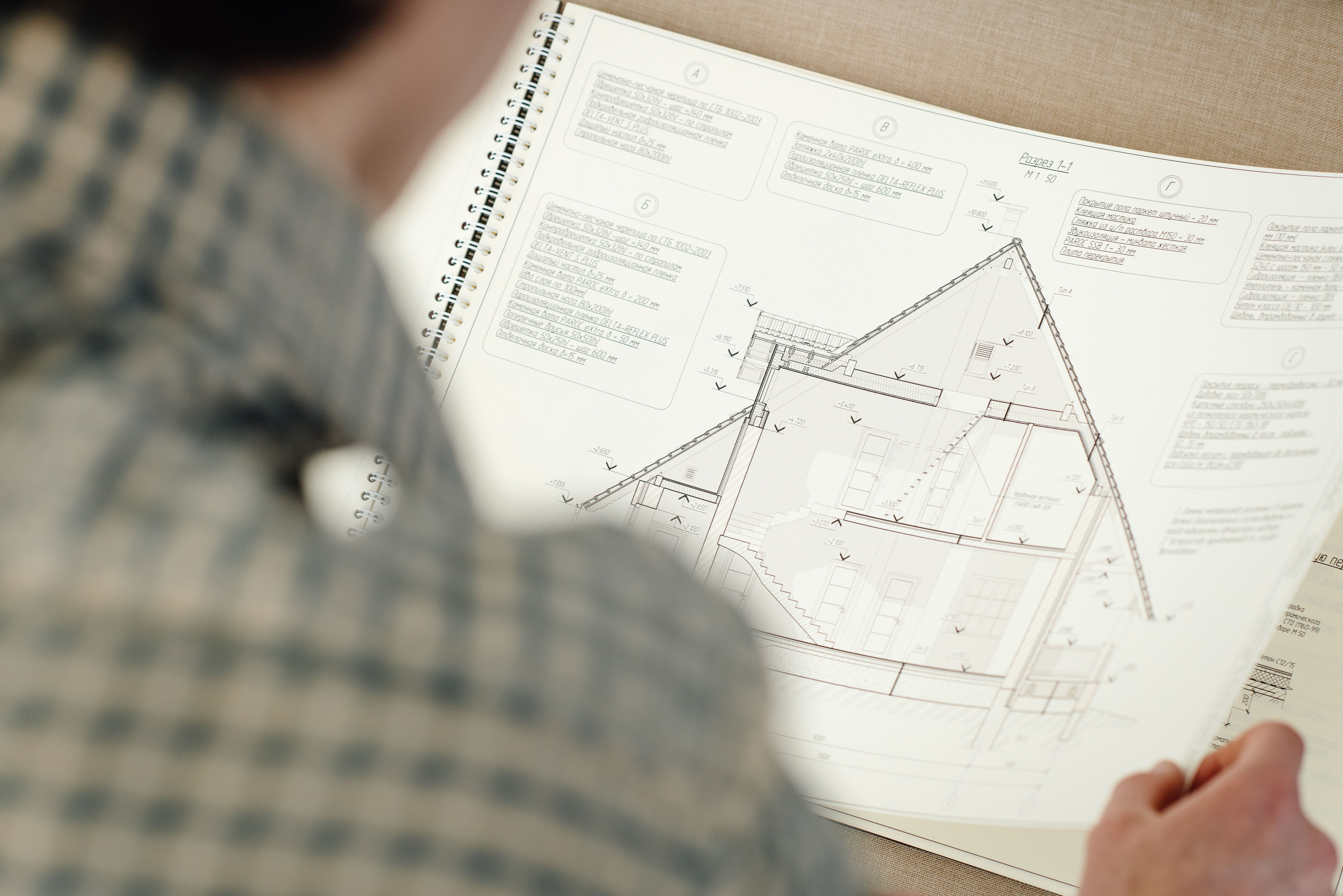
To prevent disqualification, professional localization relies on Desktop Publishing (DTP) engineers. They work alongside translators to ensure that complex P&ID diagrams, Gantt charts, and heavily formatted legal appendices look exactly like the source files, ensuring your submission passes the strictest administrative reviews.
Decoding the Pricing Structure for Patents and Blueprints
EPC bids are massive hybrids of commercial text, legacy patents, and engineering schematics. Specialized translation teams don't just guess a flat fee; they break down the quotation based on the specific format of the assets. Understanding this prevents budget overruns:
By the Word: This is the standard metric for editable files like MS Word or Excel. It is straightforward and applied to commercial terms, executive summaries, and standard technical narratives.
By the Page: You will usually see this applied to scanned patents, wet-ink legal certifications, or locked PDFs. When text cannot be easily extracted by OCR (Optical Character Recognition) software, agencies charge a flat per-page rate to cover the manual transcription and formatting labor required before translation even begins.
By the Diagram: Complex CAD files or detailed P&ID blueprints are priced individually. Extracting terminology from a technical drawing, translating it, and cleanly re-inserting it without breaking the visual hierarchy is specialized design work, making a per-diagram quote the most accurate approach.
The Cost-Cutting Engine: Termbases and Translation Memory
If your company is paying full price to translate "reinforced concrete foundation" or a specific patented valve mechanism 500 times across a massive tender package, you are burning project funds.
The most effective way to drive down the cost of 标书翻译 (bid translation) is by building corporate Termbases and utilizing Translation Memory (TM).
A TM is a living database that stores every sentence your company has ever had translated. When an agency processes your new bid, the software automatically flags identical or highly similar phrases from past projects. According to localization industry data from CSA Research, aggressively leveraging Translation Memory on repetitive, large-scale industrial projects can cut translation costs by up to 36% by your third bidding cycle.
Simultaneously, locking in a Termbase guarantees that your proprietary technical jargon remains absolutely consistent across thousands of pages, establishing the professional authority reviewers look for.
Scaling Your Globalization Strategy
Handling complex bids at this level requires serious infrastructure. It is not a job you can hand off to a few bilingual engineers in the office.
This is the exact gap Artlangs Translation fills. Proficient in over 230 languages, we have spent years building the technical and linguistic muscle required for massive, high-stakes localization. While our foundation is built on flawless document translation and EPC bid localization, our expertise scales across the entire digital landscape. From full-scale video localization and multi-language dubbing for short dramas and audiobooks, to comprehensive game localization and highly accurate multi-language data annotation and transcription—we have the battle-tested experience and the case studies to back it up. We ensure your assets aren't just translated, but engineered to perform globally.