Global manufacturing runs on precise communication. When a German automotive supplier ships components to a U.S. assembly plant or a Chinese fabricator interprets Japanese machinery specs, those engineering drawings aren't just reference materials—they're the operational blueprint that determines whether parts fit, machines run safely, and deadlines are met. Yet translating these documents introduces layers of complexity that generic language services often overlook, turning what should be a straightforward localization into a potential production nightmare.
Engineers and procurement teams frequently encounter the fallout: garbled formats, missing layers in DWG or DXF files, fonts that refuse to render correctly, and—most dangerously—misinterpreted abbreviations. A single mistranslated geometric dimensioning and tolerancing (GD&T) symbol or material code can shift tolerances just enough to cause assembly failures, rework, or worse.
The Technical Minefield of CAD Drawing Localization
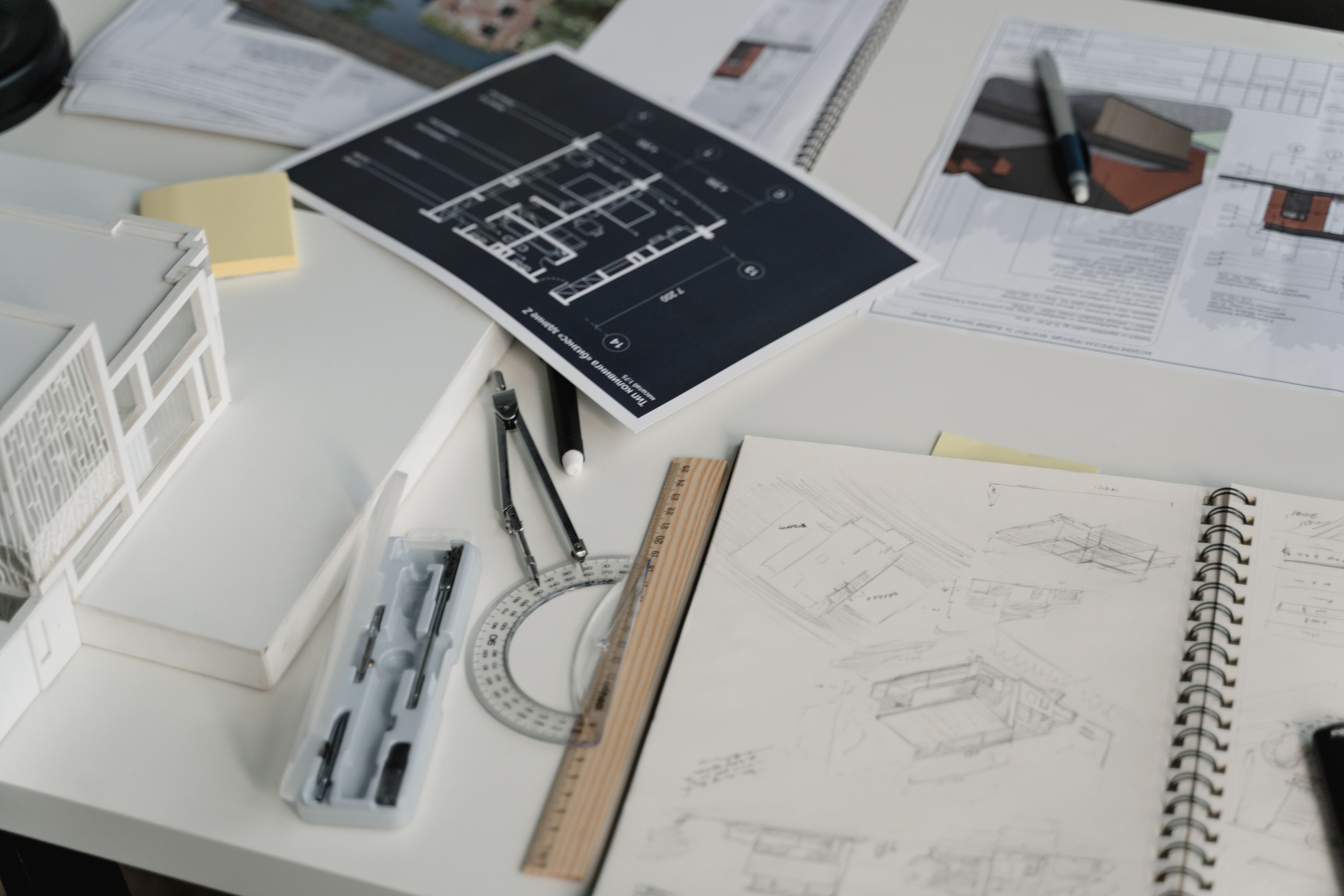
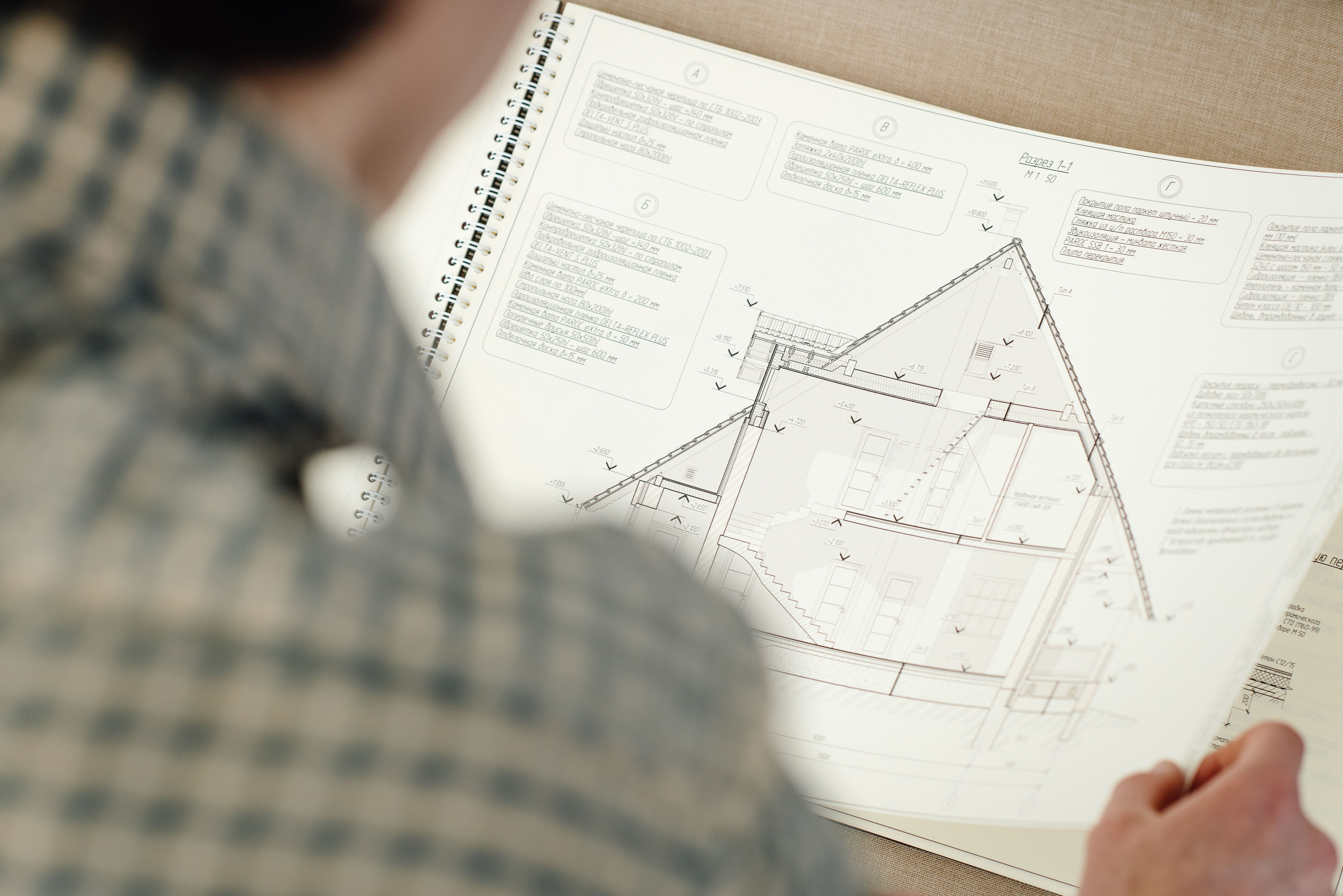
Unlike standard contracts or marketing collateral, engineering drawings blend visual geometry with embedded technical language. Text appears in title blocks, dimension lines, leader notes, layer names, block attributes, and revision tables. Translating it requires preserving every spatial relationship while adapting terminology for the target audience.
One persistent headache is text expansion. English-to-Spanish or English-to-French translations routinely increase character count by 20-30%, which can push annotations directly over critical lines or dimensions. In tight mechanical assembly drawings, this overlap doesn't just look sloppy—it renders the drawing unusable for shop-floor workers.
Layer management adds another dimension of difficulty. Many CAD standards rely on named layers to organize information—load-bearing elements, electrical routing, tolerances, and more. Translating layer names without duplicating or corrupting the structure breaks downstream workflows in software like AutoCAD. DXF files, prized for their portability across platforms, prove especially fragile during conversion; cross-tool translations frequently scramble plot settings, Xrefs, or dimension styles.
Font compatibility presents its own silent killer. A drawing created in a specialized engineering font might display perfectly in the source language but collapse into boxes or substitutions after localization, especially when moving between Asian and Western character sets. Professional teams address this through careful font substitution strategies and native CAD environment handling rather than risky PDF round-tripping.
Mechanical Expertise Isn't Optional—It's the Difference Between Success and Recall
The deepest challenge lies in domain knowledge. Terms like positional tolerances, datum references, surface finish symbols, or specific material designations (e.g., various steel grades or alloy codes) carry legal and functional weight. A translator without mechanical engineering fluency might render "GD&T" callouts literally instead of contextually, inverting meaning and inviting production accidents.
Industry reports highlight the stakes. Translation errors in technical documentation contribute to significant downtime and safety incidents in manufacturing. One analysis traced assembly line stoppages and returned shipments back to imprecise torque specifications and conditional safety instructions lost in translation. In high-stakes sectors like automotive and aerospace, these aren't abstract risks— they're measured in millions of dollars and potential liabilities.
A seasoned mechanical translator doesn't just swap words; they "read" the drawing like an engineer, ensuring that geometric tolerances remain unambiguous and that annotations align with international standards such as ASME Y14.5 or ISO equivalents. This combination of subject-matter expertise and advanced desktop publishing (DTP) forms a genuine technical barrier. Basic tools or generalists simply cannot replicate the precision required for layer retention, attribute preservation, and visual fidelity.
Real-World Lessons from the Field
Consider a case involving a European heavy machinery exporter localizing assembly drawings for Southeast Asian partners. Initial attempts using standard translation workflows resulted in dimension text spilling into adjacent views and several material codes being rendered inconsistently. The production team caught the issues during a pilot run, but only after days of verification. Switching to a specialized provider who maintained original layers, adjusted layouts dynamically, and had in-house engineers review GD&T elements eliminated subsequent problems and accelerated time-to-market.
Such stories echo across supply chains. Procurement managers repeatedly report that the cheapest translation quote often leads to the most expensive downstream corrections. Authoritative voices in the field stress that technical translation in manufacturing isn't a support task—it's integral to operational reliability and regulatory compliance.
Choosing Partners Who Understand the Full Picture
Effective engineering drawing translation demands more than linguistic skill. Look for providers who demonstrate:
Native CAD/DTP capabilities for DWG, DXF, and related formats
Teams combining mechanical engineers with professional layout specialists
Rigorous quality protocols, including pre- and post-translation drawing validation
Experience across 230+ language pairs with proven consistency in technical domains
For companies expanding globally, investing in this level of precision pays dividends through reduced errors, smoother supplier collaborations, and fewer costly surprises on the factory floor.
Artlangs Translation stands out in this specialized arena, backed by over 20 years of dedicated service, a network of more than 20,000 professional translators and subject-matter experts, and a track record of excellence across complex projects. The company has built its reputation handling engineering documentation alongside broader localization needs, including video content, short drama subtitles, game adaptations, audiobook dubbing, and multi-language data annotation and transcription—delivering reliable results that global manufacturers and content creators trust.