Getting a solid patent granted in the US or Europe is only half the battle. When Chinese innovators push into Southeast Asia and Europe, professional patent translation services for Southeast Asia and Europe markets become the difference between ironclad protection and costly, avoidable headaches. The local language rules, examiner expectations, and enforcement realities in places like Indonesia, Thailand, Malaysia, and across the EPO member states demand far more than word-for-word conversion.
Too many companies learn this the hard way. A strong English-language patent sails through the USPTO or EPO, only to hit roadblocks the moment it needs to stand up in a Thai court or satisfy Indonesian filing requirements. Deadlines slip, terminology mismatches invite challenges, and suddenly your hard-won IP starts leaking value in markets that were supposed to deliver growth.
Why the Second Translation Round Usually Costs More Than Expected
Picture a mid-sized electronics firm that just secured EPO approval for a new battery chemistry. They assume English will carry them through Singapore and Malaysia—until local agents point out that even English-friendly offices still expect precise adaptation for enforcement. In Indonesia and Thailand, full local-language versions are non-negotiable. One small inconsistency in how “inventive step” is rendered, and a competitor can exploit the gap.
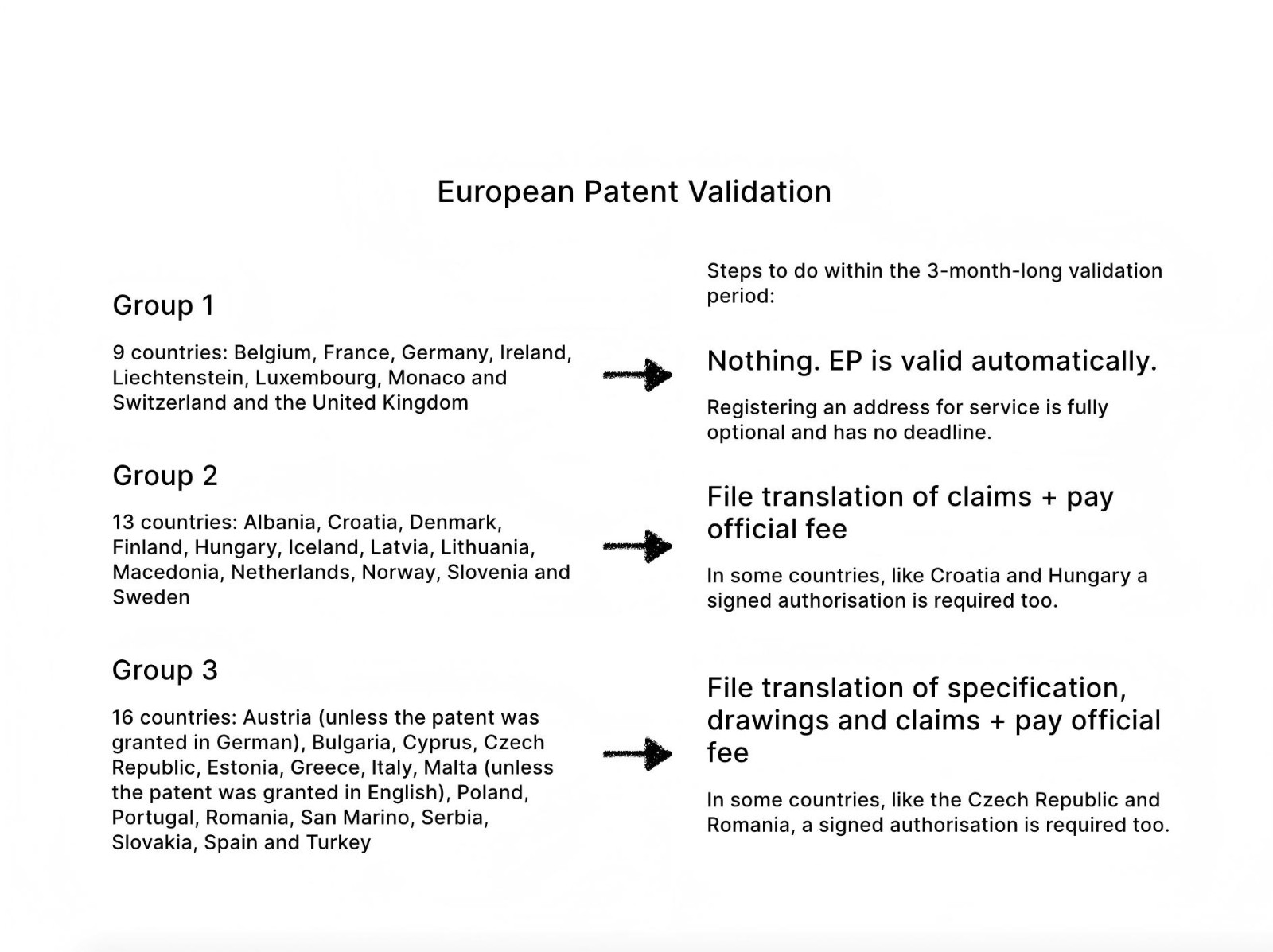
Europe adds its own layer of complexity. The London Agreement helps in some states, but validation still requires tailored filings in others. Miss the three-month window or submit wording that doesn’t perfectly align across languages, and your protection simply evaporates in key territories. Chinese applicants know this pressure well: they filed a record 22,031 applications at the EPO in 2025—up 9.7% from the previous year—and now rank third globally behind the US and Germany.
WIPO’s latest figures tell a similar story. International PCT filings reached 275,900 in 2025, with China contributing 73,718. The momentum is unmistakable, yet the translation and localization steps that follow often become the hidden bottleneck that delays market entry by months and inflates budgets.
Translation vs. Localization: The Gap That Determines Real Protection
Here’s what separates survivors from those who regret rushing the process. Straight translation swaps terms. Localization rebuilds the entire document so it reads as if the inventor originally drafted it for that jurisdiction—while preserving every ounce of technical scope.
A literal English-to-Thai rendering might capture the words of a semiconductor process, but it can miss how Thai examiners weigh “novelty” under their specific guidelines. The same holds for Indonesian courts or Polish validation. Localization draws on experts who live and breathe both the science and the local legal culture. They adjust phrasing, adapt examples, and ensure drawings and claims land exactly as intended.
This isn’t cosmetic. A well-localized patent deters copycats more effectively and holds up better when it matters—in licensing negotiations, investment pitches, or actual litigation. Poorly handled versions, on the other hand, create exactly the vulnerabilities smaller players fear most: narrowed claims, enforcement dead ends, and lost first-mover advantage in fast-growing Southeast Asian markets.
Southeast Asia’s Patchwork of Requirements
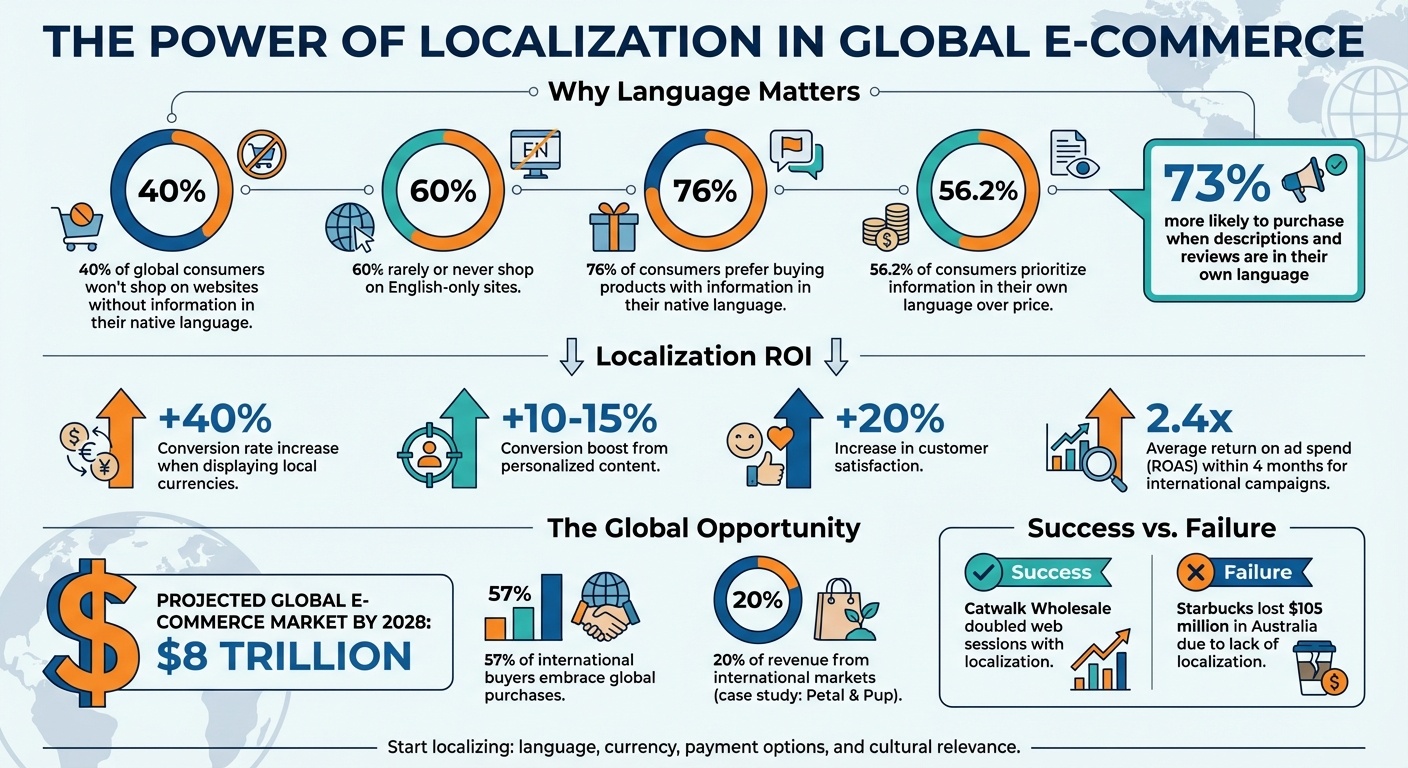
Each country plays by its own rules. Singapore leans English-friendly and serves as a natural regional hub, yet even there flawless terminology matters for headquarters strategies. Indonesia and Thailand insist on full local-language filings for maximum effect. Malaysia and the Philippines accept English but still reward careful cultural and regulatory adaptation when it comes to enforcement actions.
The result? Companies that treat these markets as an afterthought often end up paying for rushed secondary translations that introduce inconsistencies. Early, expert localization prevents exactly that cycle.
Europe’s Validation Grid and the Cost of Inconsistency
The EPO grants a single patent, but turning it into real protection across 39 member states still means navigating the London Agreement’s three-tier system. Some countries require nothing beyond the original English, French, or German text. Others demand full specifications or at least the claims. Get one country’s version slightly off, and you risk a patchwork portfolio—strong in Germany, fragile in Italy or Spain.
Chinese innovators who have already scaled this process understand the stakes. They don’t just translate; they plan the entire validation roadmap from day one.
Where Deep Technical Experience Makes the Difference
Patent specifications are rarely simple. They describe complex algorithms, material compositions, or manufacturing sequences that demand absolute precision. That’s why teams with years of experience localizing highly technical content—think intricate game mechanics, UI strings, and AI-driven systems—bring a unique edge to patent work. The same discipline that keeps every in-game physics detail accurate and culturally resonant translates directly to protecting breakthrough hardware or software inventions. Nothing slips. Every nuance survives the journey into the target language.
Real Wins from Real Companies
We’ve watched Chinese electronics manufacturers localize core battery patents for Thailand and Indonesia, then secure grants on schedule while blocking local knock-offs within the first year. Software teams have validated EPO patents across multiple EU states and simultaneously anchored their Southeast Asian strategy through Singapore—keeping claim strength uniform and avoiding expensive rework later.
These aren’t one-off successes. They come from treating translation and localization as strategic steps rather than last-minute compliance tasks.
Why Artlangs Translation Delivers the Edge You Need
When your IP represents years of R&D and millions in potential revenue, you want a partner that has seen every version of this puzzle. Artlangs Translation has spent years mastering translation services, video localization, short drama subtitle localization, game localization, multi-language audiobook dubbing, and multilingual data annotation and transcription. That broad technical fluency—especially the cross-domain rigor honed through complex game projects—translates straight into patent work where every technical description must feel native yet remain legally bulletproof.
They cover more than 230 languages and have guided numerous Chinese enterprises through successful patent layouts in Southeast Asia while smoothly handling European validation. You can review their full capabilities and client outcomes at artlangs.com.
Ready to lock in your global IP without the usual surprises?
Your inventions have already crossed borders in concept. Make sure the paperwork protects them just as effectively in practice. The right professional patent translation services turn potential vulnerabilities into competitive strength—across Southeast Asia, Europe, and beyond.