You hit play on the latest short drama episode, eager for that next twist. But within seconds the voice feels wrong—lips flap one way while the words land flat or robotic. That unsettling “uncanny valley” moment pulls you right out of the story. It’s not just annoying; it kills the magic.
Viewers don’t give second chances. Bad dubbing destroys immersion so fast that audiences click away and never return. The emotional hook vanishes, the cliffhanger loses its punch, and series continuation revenue evaporates. Data backs this up hard: when language gets in the way, as many as 73 percent of viewers bounce in the first 30 seconds. Subtitles alone can trigger 30 percent higher drop-off rates than clean, natural dubbing. Completion rates suffer, binge habits die, and monetization stalls.
Professional online short drama dubbing script translation fixes exactly that problem. It’s the bridge between original performances and new audiences, turning foreign dialogue into voices that feel native. The best work doesn’t just translate—it adapts every line so the final audio converts casual scrollers into loyal, paying fans.
The real craft lives in two tightly linked steps: lip-sync precision and emotional tone. First, translators rewrite the script to match mouth movements. They study the actor’s lip shapes on screen, then reshape sentences—swapping short English bursts for smoother flows in Spanish or adjusting plosives and vowels so “I can’t believe it” lands exactly when the mouth opens wide. Perfect sync isn’t about robotic timing; it’s about natural rhythm that disappears into the background.
At the same time, they preserve emotional tone. A tearful confession must carry the same quiver and hesitation. A sarcastic jab needs that exact bite. Skilled dubbing script translation teams test every version aloud, tweaking wording until the performance feels alive rather than read. The result? Audio that breathes with the visuals instead of fighting them.
Once the script is locked, voice actor matching decides everything. Top producers follow a clear guide that avoids uncanny valley pitfalls:
Start with the original actor’s vocal profile—pitch, speed, and energy. Match the heroine’s bright, youthful tone or the villain’s gravelly menace.
Pick native speakers who understand local cultural beats and accents. A generic voice in a Latin American market falls flat; the right regional flair lands every joke and heartbreak.
Run emotional range auditions. Give candidates the hardest scenes—rage, tenderness, quiet despair—and listen for authentic delivery.
Test chemistry in a short trial dub. Review the clip side-by-side with the original and fine-tune until the voice and face feel like they belong together.
Do this well and retention jumps. Dubbed content routinely hits 80–90 percent completion rates, close to native-language levels, while turning one-time viewers into repeat payers who unlock every episode.
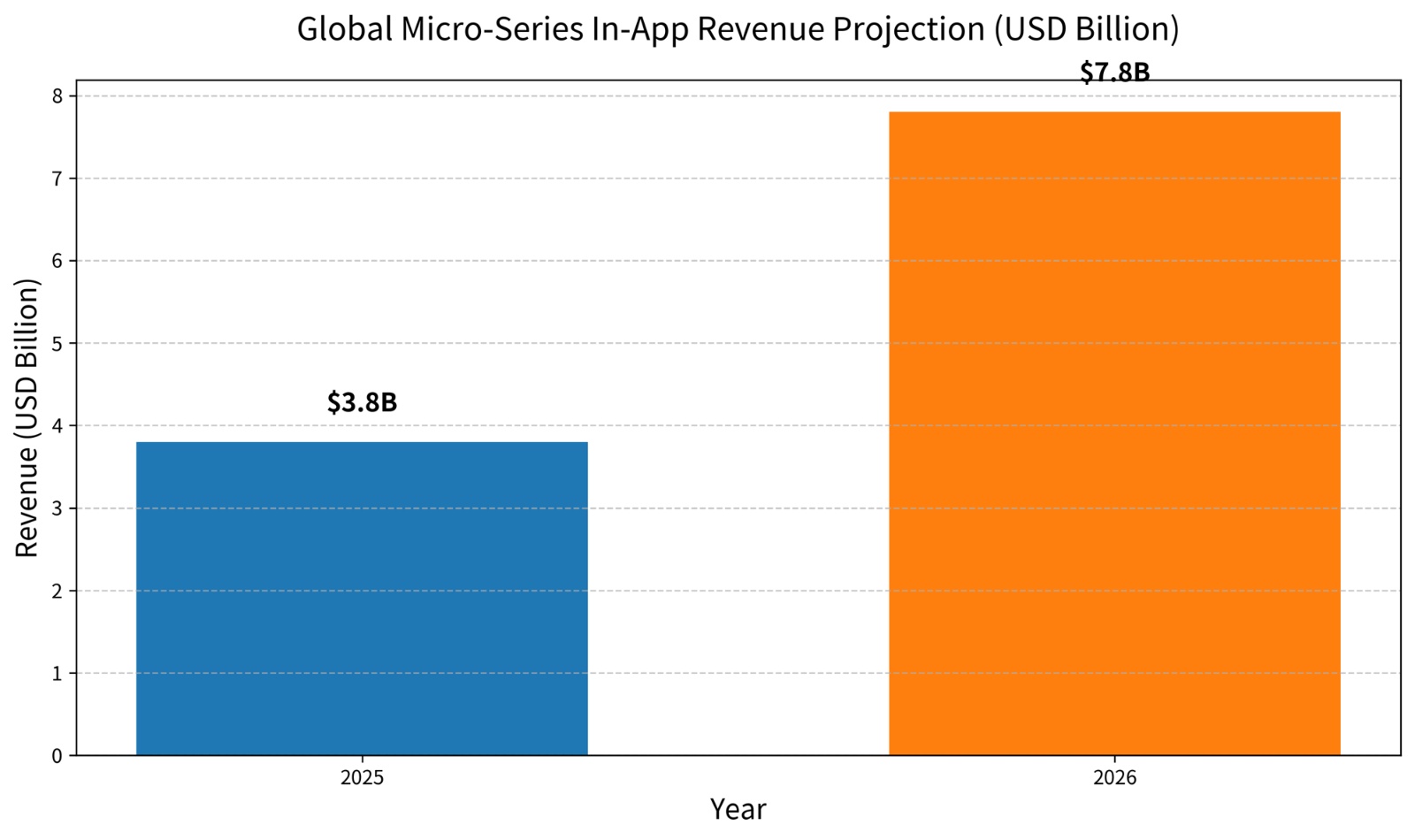
The market is exploding because of exactly this kind of quality. Global micro-series revenue reached $11 billion in 2025 and is forecast to hit $14 billion by the end of 2026, with $3 billion coming from markets outside China. In-app purchases alone are set to more than double—from $3.8 billion in 2025 to $7.8 billion in 2026.
That kind of growth only sticks when the voices feel real. The broader dubbing and voice-over sector reflects the same demand, moving from roughly $4.94 billion in 2026 toward more than $11 billion within the decade at an 8.5 percent compound annual rate.
Platforms chasing international scale already know the truth: cheap machine translations or mismatched voices lose money fast. Professional short drama dubbing script translation delivers the natural performances that keep audiences watching—and paying.
When you need partners who master every layer—lip-sync accuracy, emotional depth, and flawless voice matching—teams turn to specialists who have been delivering results for years. Artlangs Translation stands out with proficiency across more than 230 languages and a long track record focused on translation services, video localization, short drama subtitle localization, game localization, short dramas and audiobooks through multilingual dubbing, plus multilingual data annotation and transcription. Their portfolio of successful projects shows exactly why natural voices convert in 2026 and beyond.