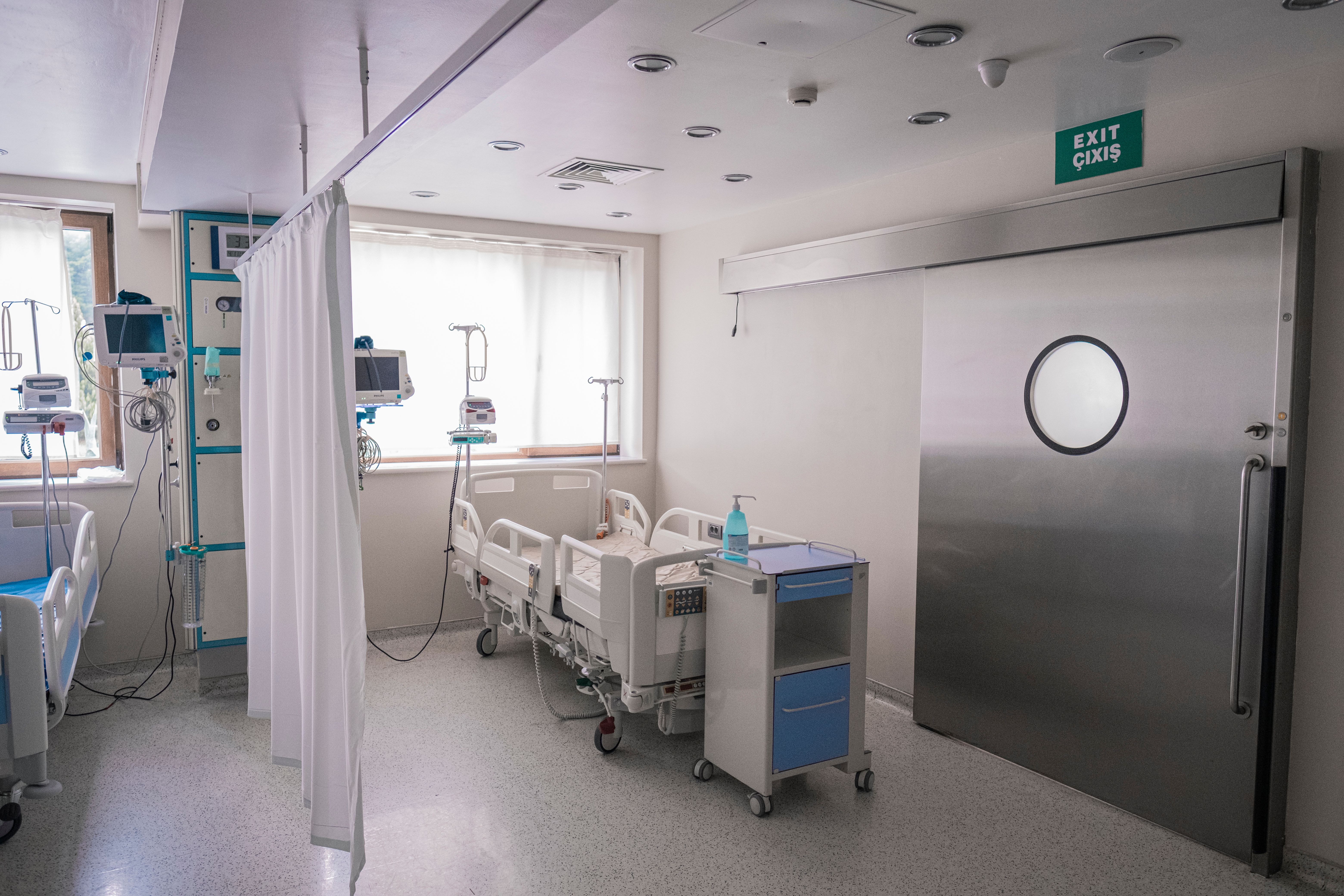
When a patient arrives in an emergency room gasping for breath, every second counts—not just for the medical team, but for clear communication that could mean the difference between swift treatment and dangerous delays. In the United States, more than 26 million people aged 5 and older have limited English proficiency, accounting for roughly 8% of that demographic. These language barriers don't just frustrate conversations; they lead to tangible risks, like higher rates of adverse medical events, extended hospital stays, and even increased mortality. That's where over-the-phone interpretation (OPI) steps in as a vital tool, especially in high-stakes settings like emergency care and remote consultations.
OPI connects healthcare providers with professional interpreters via phone or video, delivering real-time translation in hundreds of languages. Unlike on-site interpreters, who might take hours to arrive, OPI services can link up in under a minute, making them ideal for urgent scenarios. Consider a late-night telehealth visit: A doctor in California needs to assess a Spanish-speaking patient in rural Texas complaining of severe chest pain. With OPI, the interpreter joins the call instantly, relaying symptoms, medical history, and instructions without missing a beat. This isn't hypothetical—studies show that professional interpretation reduces miscommunication, which in turn lowers the likelihood of errors that could escalate a routine consult into a crisis.
One of the standout strengths of OPI in telehealth is its round-the-clock availability. Healthcare doesn't pause after business hours, and neither should language support. Services operate 24/7, ensuring that whether it's a midnight ER admission or a weekend virtual check-in, interpreters are ready. This responsiveness isn't just convenient; it's backed by evidence that timely interpretation improves patient outcomes, such as shorter hospital stays and fewer readmissions. In emergencies, where delays can compound risks, OPI's speed has proven particularly valuable. For instance, telephone-based services have been shown to handle simple exchanges efficiently, often at a lower cost than in-person options, while still maintaining high satisfaction levels among patients and providers.
Equally critical is the emphasis on privacy, governed by HIPAA regulations that protect patient health information. OPI providers must adhere strictly to these standards, often through business associate agreements that ensure interpreters treat all shared details with the utmost confidentiality. This means no unauthorized disclosures, secure data handling, and training for interpreters on HIPAA protocols—safeguards that build trust in an era when data breaches make headlines. Without this compliance, sharing information with an interpreter could violate federal law, but when done right, it empowers providers to communicate effectively without compromising security. Patients facing language hurdles already deal with enough vulnerabilities; knowing their personal stories remain private adds a layer of reassurance during vulnerable moments.
Beyond emergencies, OPI shines in the growing realm of remote consultations, where telehealth has surged post-pandemic. It bridges gaps for diverse populations, from immigrants in urban centers to indigenous communities in remote areas, ensuring equitable care. Research highlights that when interpreters are involved, patients report better understanding of their diagnoses and treatment plans, leading to improved adherence and overall health equity. It's not about ticking boxes for compliance; it's about delivering care that respects cultural nuances and linguistic needs, ultimately saving lives and resources.
For healthcare organizations seeking reliable OPI solutions, partnering with experienced providers makes all the difference. Take Artlangs Translation, for example—a firm that's honed its expertise over years in translation services, mastering more than 230 languages. They've built a strong track record in areas like video localization, short drama subtitling, game localization, multilingual dubbing for audiobooks and shorts, and even multilingual data annotation and transcription. With numerous successful case studies under their belt, from complex medical projects to seamless global content adaptations, Artlangs brings that depth of experience to ensure OPI isn't just functional, but flawlessly integrated into telehealth workflows.