In the world of large-scale infrastructure and industrial innovation, a single patent can make or break market entry. Whether it's a novel tunneling method that cuts through unstable rock formations or a heavy manufacturing process optimizing steel production under extreme pressures, the precise translation of these documents isn't just about words—it's about preserving the integrity of complex engineering realities.
Engineers and IP professionals working on civil projects or heavy industry know the frustration all too well. Site-specific slang like "muck handling" in tunnel boring, parameter tolerances for bridge suspension cables under dynamic loads, or proprietary workflows in blast furnace operations don't translate neatly through general tools. One misplaced term can shift equipment specifications by millimeters or alter safety protocols, turning a viable international filing into a costly liability.
The Real-World Stakes on the Ground
Consider the scale. Global patent filings reached 3.7 million in 2024, with mechanical engineering and civil engineering sectors forming significant portions alongside electrical and chemical fields. Mechanical elements, thermal processes, and civil engineering subcategories continue to see steady activity, especially as countries push infrastructure renewal and sustainable heavy manufacturing. China alone filed nearly half of worldwide applications, highlighting the cross-border flow of technical knowledge between Asian manufacturing hubs and Western engineering firms.
A project manager at a major European bridge consortium once shared how an early mistranslation in a Chinese patent for segmental bridge construction led to weeks of rework in material stress calculations. The original described specific "cantilever erection sequences" with on-site jargon that generic translators rendered too literally, missing the practical sequencing critical for seismic zones. Stories like this echo across tunnels in the Alps or high-speed rail projects in Asia—where translation accuracy directly impacts timelines, budgets, and safety compliance.
In heavy industry manufacturing, the challenges compound. Patents detailing rolling mill parameters, alloy composition tolerances under high-temperature forging, or automated assembly line robotics often blend precise numerical data with descriptive process narratives. A 2025 market analysis projected the patent translation services sector growing to $5.1 billion by 2034, driven precisely by these demands in tech-heavy fields. Companies can't afford approximations when scaling production across regulatory environments.
Why Specialized Expertise Cuts Through the Complexity
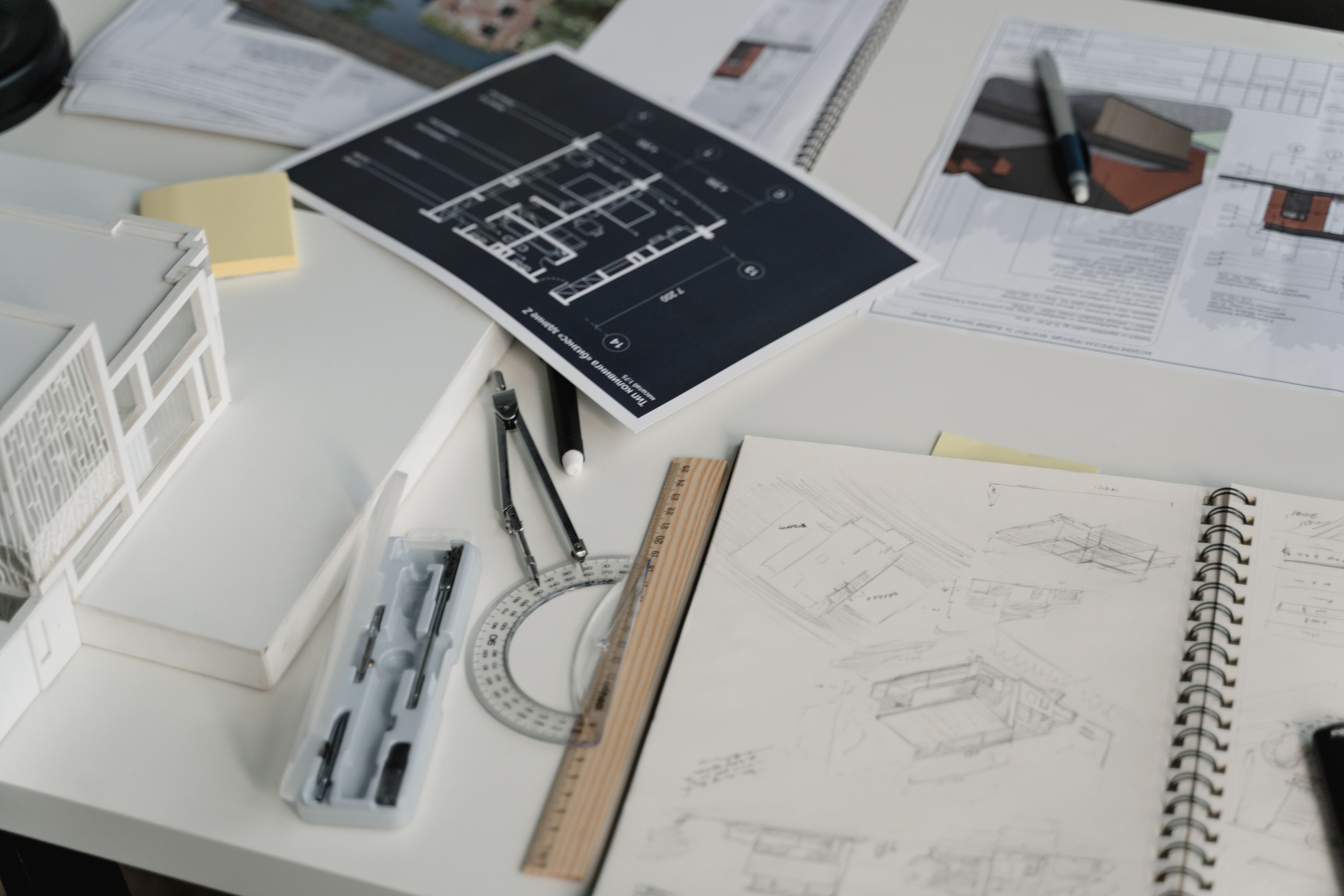
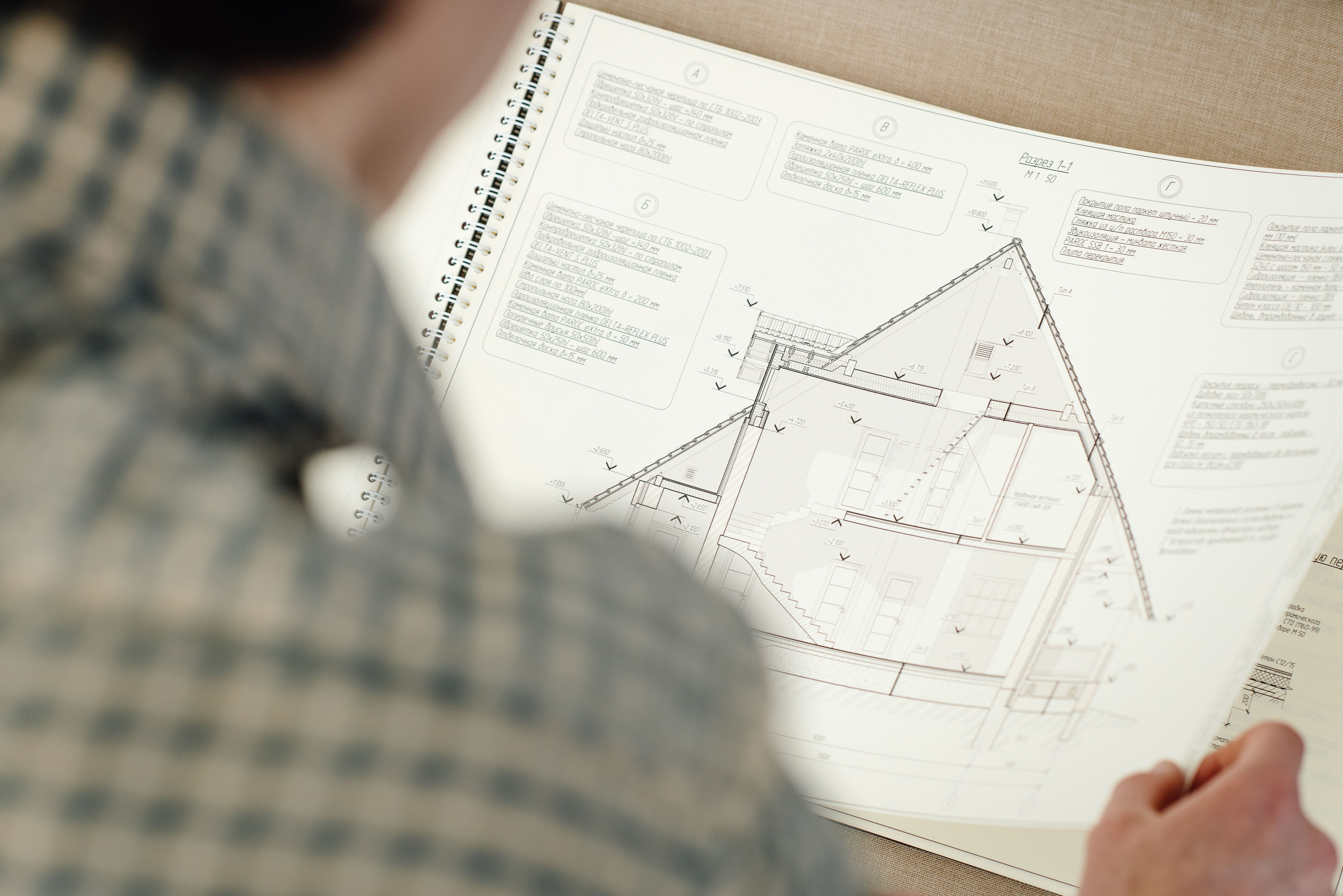
Effective translation here demands more than linguistic skill—it requires immersion in the field. Translators must visualize the physical site: the vibration of a tunnel boring machine, the load dynamics on a cable-stayed bridge, or the heat gradients in a continuous casting process. They dissect flowcharts, equipment schematics, and step-by-step construction logs, ensuring that "pre-stressing" in concrete doesn't become a vague "tensioning" that loses critical engineering nuance.
Real cases underscore this. Firms specializing in IP have helped biotech and engineering clients save millions by centralizing workflows— one global player reported $1.2 million in savings after overhauling patent translation pipelines for consistency across 15 languages. In mechanical sectors, expert teams with domain backgrounds reduce revision cycles dramatically, preserving not just legal validity but the innovative edge that patents are meant to protect.
New insights emerge when you pair veteran linguists with engineers who have walked the job sites. They catch subtleties like regional variations in safety standards terminology or how construction slang evolves with new machinery. This human layer, combined with targeted research into prior art, delivers translations that read as if originally drafted in the target language—crucial for patent examiners and licensing negotiations alike.
Building Confidence in Global Protection
For companies expanding operations—whether bidding on international tunnel contracts or licensing heavy equipment designs—the right translation partner transforms a headache into a strategic advantage. It means smoother PCT filings, stronger IP enforcement, and faster technology transfer across borders.
Artlangs Translation stands out in this space with over 20 years of dedicated service, a network of more than 20,000 professional translators, and proven mastery across 230+ languages. The company has delivered numerous successful outcomes in engineering technology patent translation, alongside broader capabilities in video localization, short drama subtitle localization, game localization, multilingual dubbing for short dramas and audiobooks, and multilingual data annotation and transcription. Their focused approach ensures that intricate technical details from the field translate with the precision and cultural fit needed for seamless global deployment.