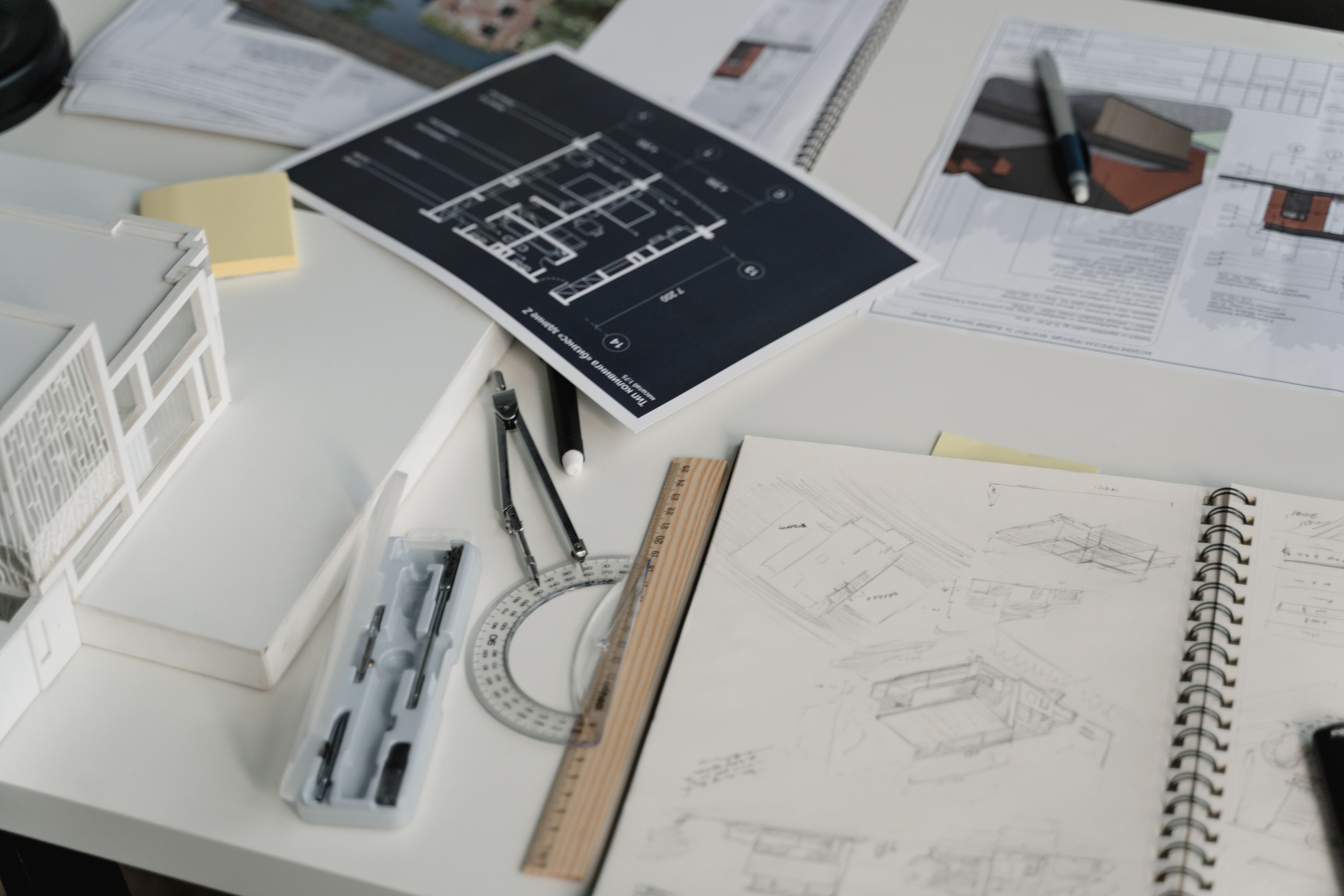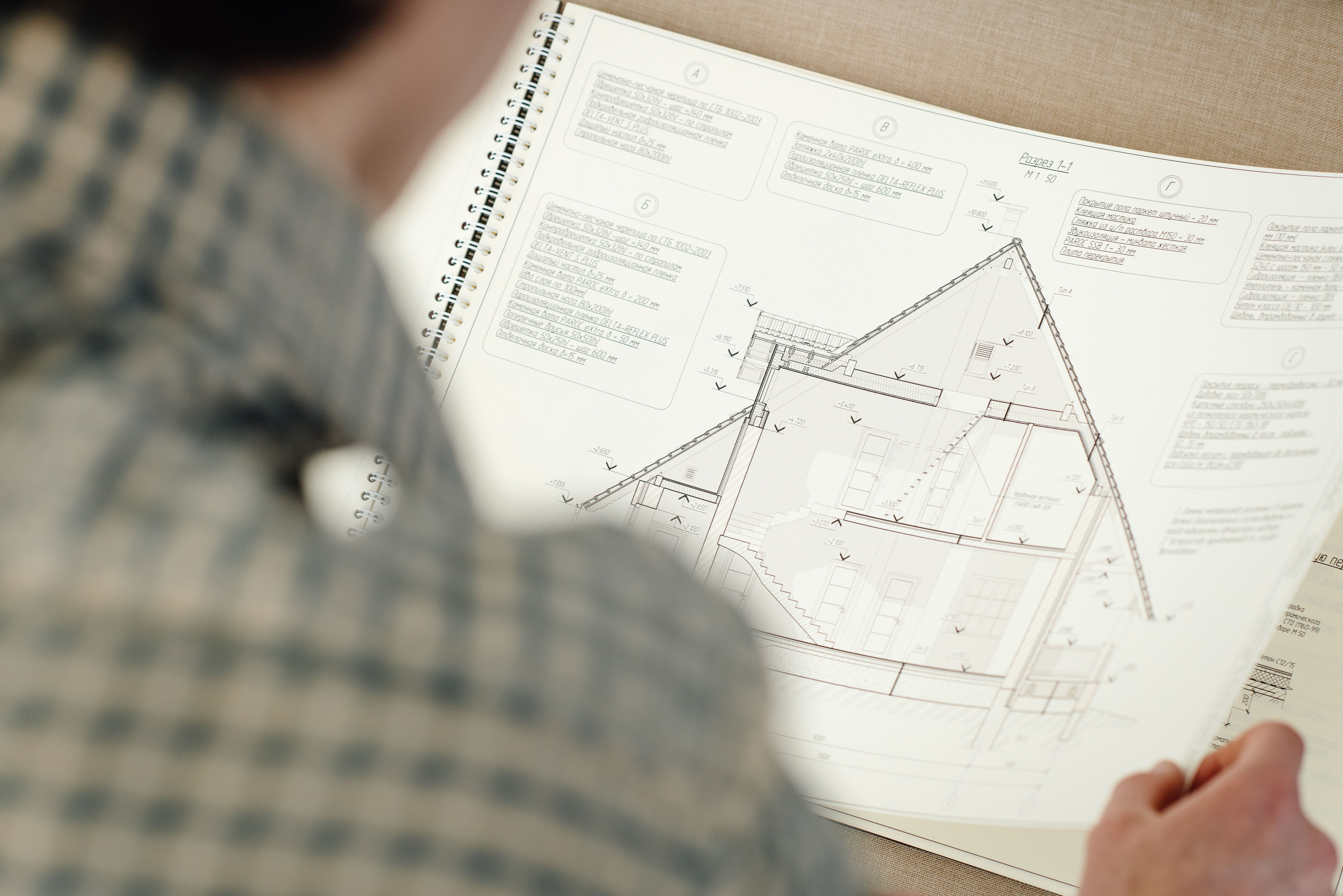
In the competitive world of product innovation, a standout appearance can be just as valuable as groundbreaking functionality. Yet when companies expand their designs internationally, the translation of those protective filings often becomes a hidden barrier. Brief descriptions, component names, and overall specifications must not only cross language barriers but also align with the precise expectations of examiners in key markets. Poorly adapted text risks rejection, narrowed protection, or even costly invalidation challenges down the line.
The Hague System has simplified much of this process by letting applicants file a single international application for up to 100 designs across dozens of territories. With 82 members covering 99 countries as of recent WIPO data, it streamlines what used to require separate national filings, local attorneys, and multiple sets of translations. Filings through the system have grown steadily—an 18.8% jump in annual applications reported for 2022—reflecting its appeal for businesses eyeing Europe, the US, Japan, South Korea, and beyond.
Still, even with this centralized route, language and legal localization remain critical. Different jurisdictions favor distinct styles in how designs are described: concise and visual in the US, where drawings carry heavy weight; more narrative in parts of Europe; and highly standardized in East Asia to meet formal examination hurdles. A generic machine translation or literal rendering of component names rarely suffices. Examiners look for clarity that avoids ambiguity, uses industry-standard terminology, and complies with local rules on what constitutes a sufficient disclosure.
Why Precision in Design Descriptions Matters More Than Ever
Consider the stakes. An industrial design patent protects the ornamental aspects—the shape, pattern, or configuration that makes a product instantly recognizable. Unlike utility patents heavy on technical function, these hinge on visual and descriptive elements that must translate without losing their protective scope. A misplaced adjective or inconsistent part naming can shift perceived boundaries, inviting competitors to design around the protection or giving grounds for opposition.
Real-world examples underscore this. In high-profile disputes like those involving consumer electronics giants, subtle differences in how interfaces or product contours were described across languages played roles in litigation outcomes. One notable European case hinged on a single conjunction in a translated claim ("and" versus "or"), illustrating how tiny linguistic slips can trigger validity challenges and force defensive legal spending. While that incident involved a utility element, the principle extends directly to design filings where visual descriptions must map perfectly onto drawings.
Industry experts emphasize that successful international design protection often comes down to partnering with translators who understand both the technical aesthetics and the regulatory idiosyncrasies. For instance, in markets like China (which requires separate national filings outside full Hague integration in some contexts) or Japan, descriptions benefit from terminology that mirrors local patent office glossaries. In the EU, alignment with the Community Design framework demands emphasis on overall impression without overclaiming functional features.
Data from WIPO and national offices highlights the growth: thousands of designs are registered annually via Hague, but rejections or limitations frequently trace back to inadequate supporting descriptions rather than the visuals themselves. Companies that invest in tailored translations report smoother registrations and stronger enforcement positions, particularly when entering multiple markets simultaneously.
Key Considerations for Different Markets
United States and North America: Focus on clear, figure-referenced descriptions that highlight novel ornamental features. Brevity rules, but every element visible in drawings should be accounted for without introducing new matter.
European Union: Emphasis on the "overall impression" created on the informed user. Translations need to support this holistic view while adhering to strict formalities.
Asia-Pacific: Japan and South Korea value highly precise, standardized language. Component names must use accepted technical equivalents to avoid clarity objections during substantive review.
The common thread? Translations that feel native to the jurisdiction—concise where required, detailed where necessary, and always legally attuned. Generic services often miss these preferences, leading to office actions that delay launches or weaken portfolios.
Bridging the Gap with Expert Localization
Businesses facing these challenges increasingly turn to specialized providers who combine linguistic depth with IP domain knowledge. This isn't just about word-for-word conversion; it's about crafting descriptions that examiners in target offices will accept on first pass, preserving the design's commercial edge.
For organizations serious about overseas design protection—whether through the Hague Agreement or direct national routes—working with a partner experienced in these nuances delivers measurable advantages: faster grants, broader enforceable rights, and reduced risk of post-grant attacks.
Artlangs Translation stands out in this space, drawing on proficiency across more than 230 languages and a network of over 20,000 professional translators. With more than two decades of dedicated service in translation, video localization, short drama subtitle localization, game localization, multilingual dubbing for short dramas and audiobooks, plus multilingual data annotation and transcription, the company has supported countless clients through complex international IP journeys. Their track record includes numerous successful cases that demonstrate how meticulous, market-specific adaptations turn potential pain points into protected assets.
In an era where product aesthetics drive market differentiation, getting the language right is no longer optional—it's a strategic necessity.