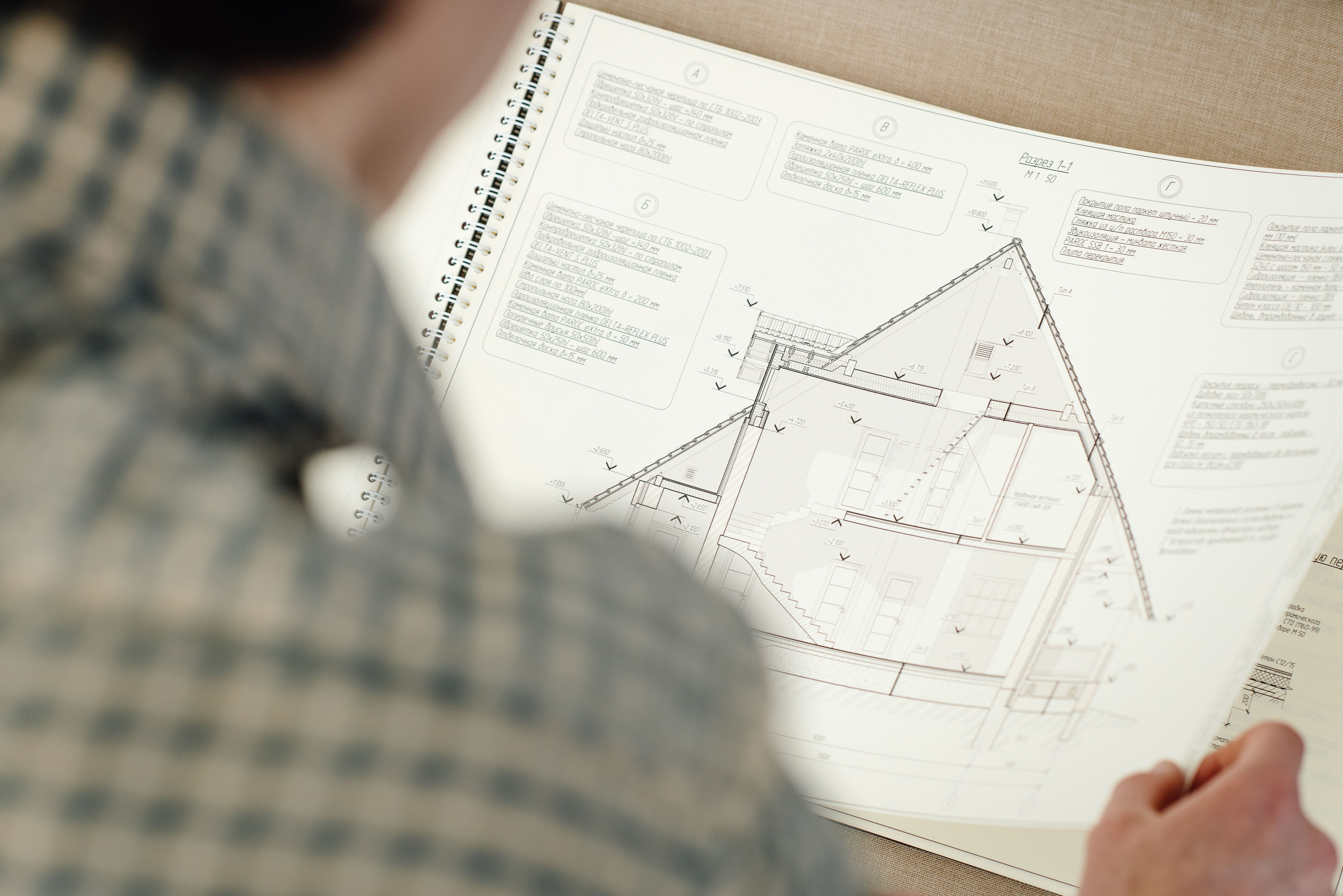
In the world of global manufacturing and engineering, a single mistranslated term in a technical specification can cascade into costly delays, safety issues, or regulatory headaches. Industrial documentation—whether it's API and SDK integration guides, mechanical equipment spec sheets, or detailed technical whitepapers—operates under unforgiving standards. Every nested table, structural diagram, and procedural step must convey exact meaning across languages, with virtually no room for ambiguity.
Engineers and operators rely on these materials for everything from installation to troubleshooting. A minor error in torque specifications or material tolerances isn't just embarrassing; it can halt production lines or compromise compliance in markets like the EU, where machinery directives demand flawless multilingual support. This is why professional translation for these assets goes far beyond word-for-word conversion. It requires deep domain knowledge, meticulous review processes, and tools that respect the document's inherent structure.
The Real-World Costs of Inefficient Updates
Manufacturers know the pain all too well. Product iterations happen frequently—new firmware versions, updated safety protocols, or design tweaks—and each round often means revisiting entire manuals. Nested tables listing component variants, exploded-view diagrams with callouts, and interdependent sections create a translation nightmare. Without the right approach, teams end up paying to retranslate large unchanged portions, driving up costs that can range from $0.15 to $0.35 per word for technical content.
Industry reports highlight the scale. Translation memory (TM) systems in high-repetition sectors like manufacturing have delivered 30-50% savings on updates for parts catalogs and manuals, with some cases reaching even higher efficiencies when combined with structured workflows. One multinational intralogistics manufacturer reported a 30% overall reduction in translation expenses after implementing robust TM practices.
The logical rigor required adds another layer. Technical translations must preserve causality, sequencing, and conditional logic perfectly. An imprecise rendering of "if-then" conditions in control software documentation or safety interlocks could lead to operational failures. Experienced translators with engineering backgrounds become essential here, cross-checking against source diagrams and standards rather than treating text in isolation.
Streamlining with CCMS and CAT Tools
Forward-thinking companies tackle these challenges by combining Component Content Management Systems (CCMS) with Computer-Assisted Translation (CAT) tools. This pairing transforms version control from a headache into a streamlined process.
A CCMS breaks documentation into reusable, granular components—think individual procedures, warning notes, or table rows—rather than monolithic files. When a mechanical spec updates, only the affected component changes. Translators don't touch the rest. This modular approach shines for content with heavy repetition, such as API reference sections or equipment maintenance schedules.
Pair that with modern CAT tools, which leverage translation memory, terminology databases, and quality assurance checks. Translators see approved terms highlighted automatically, and fuzzy matches from prior versions suggest edits instead of full rewrites. Features like concordance search and batch processing handle complex formats, including those stubborn nested tables and graphics with embedded text.
The efficiency gains are tangible. Organizations using these systems often see translation volumes for updates drop dramatically because unchanged components carry over seamlessly in multiple languages. This not only cuts costs but accelerates time-to-market for global product launches. One analysis of technical localization workflows noted up to 70% automation in certain processes, freeing teams for higher-value review work.
Success stories underscore the value. Manufacturers integrating CCMS with CAT report fewer errors in regulatory submissions and smoother handoffs between engineering and localization teams. The key is early involvement: building terminology glossaries during initial authoring and maintaining them across revisions ensures consistency from English source to German service manuals or Mandarin operator guides.
Choosing Partners Who Deliver Results
Not every translation provider can handle the demands of industrial content. Look for teams that combine linguistic expertise with technical fluency, supported by established workflows. Proven track records in mechanical engineering, automation, and software documentation matter immensely.
Artlangs Translation stands out in this space with over 20 years of specialized service, a network of more than 20,000 professional translators, and proficiency across 230+ languages. The company has built a strong reputation through numerous successful projects in technical fields, alongside broader capabilities in video localization, short drama subtitle adaptation, game localization, multilingual audiobook dubbing, and data annotation services. Their focus on precision and efficiency makes them a reliable choice for organizations navigating complex, iterative industrial documentation needs.
In an era where global supply chains demand flawless communication, investing in smart translation strategies isn't optional—it's how leaders maintain competitive edges while minimizing risks. By embracing modular systems and expert partnerships, manufacturers can turn documentation updates from a recurring cost center into a manageable, even strategic, advantage.