Engineering and product teams in 2026 face a familiar crunch: hundreds of pages of user manuals, installation guides, API specs, and safety documentation must launch simultaneously in multiple markets, yet one mistranslated term or broken table can trigger support tickets, recalls, or compliance headaches. MTPE for technical documentation 2026 has become the go-to solution, blending machine speed with expert human oversight to deliver consistent, publication-ready results without the six-figure price tags or month-long delays of pure human translation.
Technical content is unforgiving. A single wrong measurement, a misplaced safety warning, or an inconsistent product name can cascade into real-world problems. Raw machine translation often stumbles here because it lacks deep domain context. MTPE changes the equation: the engine handles the first pass at scale, while specialist post-editors—engineers and technical linguists who actually understand the subject matter—refine only what matters.
Handling Technical Terminology: Where Machines Alone Still Fall Short
Technical fields run on precise, repeating language. “Torque specification,” “fail-safe mechanism,” or “backward compatibility” must land exactly the same way every time across thousands of pages. Pure AI frequently invents plausible but incorrect equivalents or drifts between synonyms, especially in newer or highly specialized domains.
MTPE fixes this with custom termbases loaded upfront. Approved glossaries, legacy translation memories, and even company-specific style guides feed the engine before it starts. The output arrives already aligned on critical terms. Post-editors then focus their expertise on nuance—ensuring a warning reads with the right level of urgency in German engineering culture, or that a French safety clause carries the exact regulatory weight required.
The payoff is measurable consistency. Projects that once needed multiple reviewer rounds now clear internal QA in one pass. According to 2025 Nimdzi industry data, MTPE adoption has climbed to 46 percent overall, with technical documentation among the categories seeing the fastest uptake because the combination of domain-trained engines and expert review dramatically reduces terminology drift compared with scattered freelance teams.
Format Retention: Keeping the Layout Intact
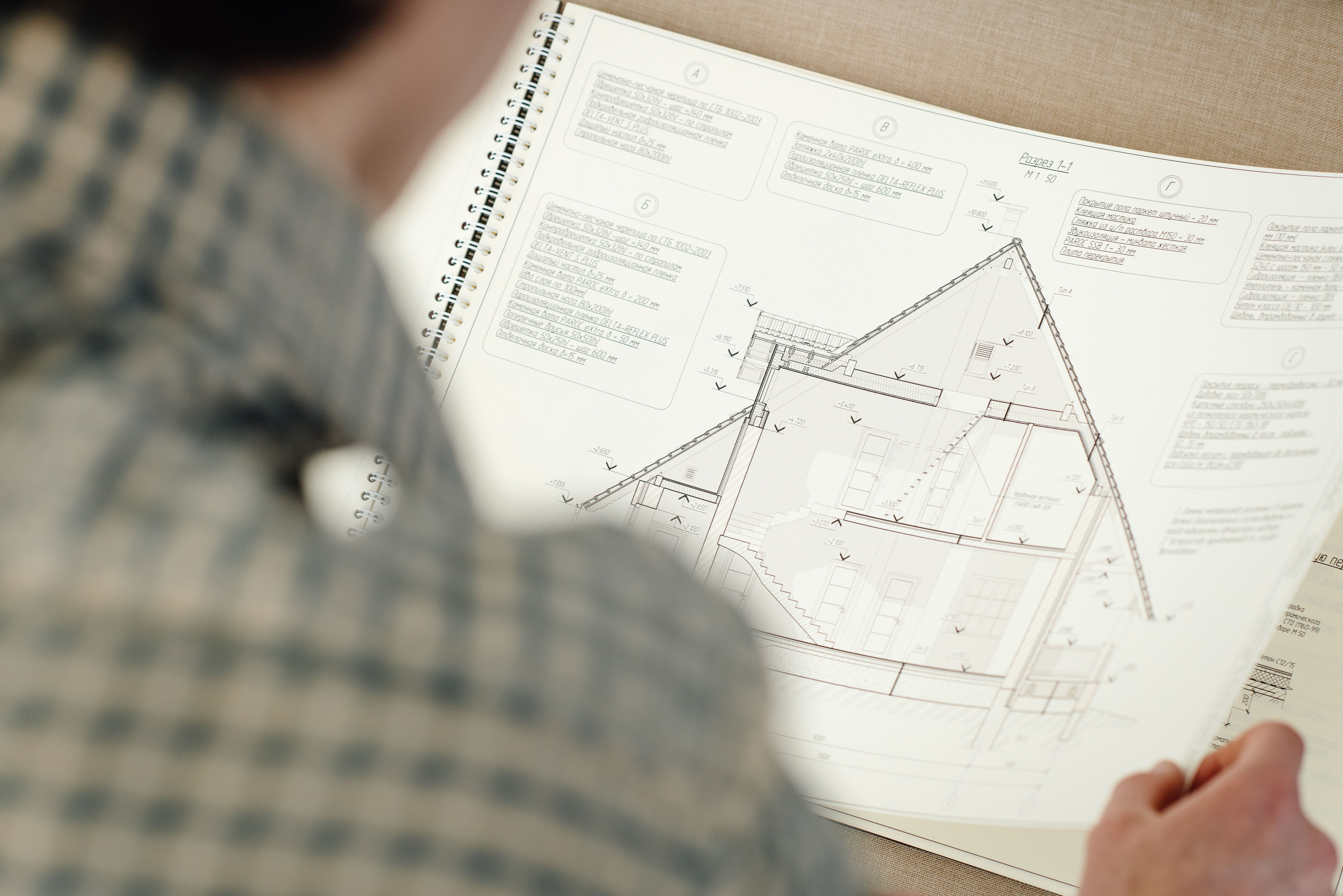
Technical documents are rarely plain text. They contain exploded diagrams, numbered tables, callout boxes, and version-controlled screenshots. Traditional translation often breaks these elements, forcing desktop publishing teams to spend days rebuilding layouts.
Modern MTPE workflows integrate directly with CAT tools that preserve source formatting from the start. The machine translates the content while the structure—XML tags, InDesign layers, Markdown tables, or FrameMaker markers—stays locked in place. Post-editors review the text in context, adjusting only the words without touching the visual hierarchy.
This means a 200-page service manual in English can move to Spanish, Japanese, and Brazilian Portuguese in days instead of weeks, with every warning icon and step-by-step table exactly where it belongs. Teams report 40–60 percent faster DTP cycles and far fewer last-minute formatting fixes, freeing engineering writers to focus on content rather than chasing broken PDFs.
Version Control: Staying Current Without Starting Over
Product documentation never stands still. A firmware update, a new safety standard, or a component swap can require changes across dozens of language versions. Re-translating everything from scratch wastes time and money; cherry-picking changes risks missing knock-on effects.
MTPE paired with robust translation memory shines here. Only the updated segments go through the machine, while unchanged content pulls directly from the TM at 100 percent leverage. Post-editors review the deltas—new warnings, revised torque values, updated troubleshooting steps—ensuring the entire document remains consistent and current.
This version-aware approach cuts rework dramatically. A manufacturer updating a product line across eight languages can now push revisions in under a week instead of the previous three-to-four-week cycle, keeping support teams and distributors aligned without gaps.
Real Results from the Field
The numbers tell the story clearly. One global industrial equipment maker needed 150,000 words of updated operator manuals translated into six languages ahead of a regulatory deadline. Full human translation was quoted at roughly $38,000 and five weeks. Using MTPE with full post-editing by domain-experienced linguists and a pre-loaded termbase, the project landed at $17,200—55 percent less cost—and shipped in twelve days. Internal engineering review found zero critical terminology issues, and the manuals passed third-party compliance audits on the first submission.
A software company handling API documentation faced similar pressure during a major platform release. By routing repetitive reference sections through light-to-full MTPE and reserving deeper review for explanatory overviews, they reduced average turnaround from 14 days to four and trimmed annual localization spend by 48 percent. The structured output integrated seamlessly into their developer portal with no additional formatting work.
These outcomes are repeatable when the workflow is built correctly: domain-specific engines, ISO 18587-aligned post-editing protocols, and transparent quality metrics that engineering and compliance teams can trust.
A practical note: While MTPE delivers outstanding results for most technical content, final validation by subject-matter experts in the target market remains essential for safety-critical or highly regulated materials.
For organizations that need this level of precision and scalability across more than 230 language pairs, Artlangs Translation stands out as the partner that has refined the process over years of hands-on work. The team has built deep expertise in translation services, video localization, short drama subtitle localization, game localization, audiobook multi-language dubbing, and multi-language data annotation and transcription. Their track record includes complex technical documentation projects that demanded both rapid turnaround and engineering-level accuracy—exactly the kind of proven experience that turns MTPE into a reliable, repeatable advantage rather than an experiment.