A Silicon Valley engineer spent two years perfecting a compact quantum-dot battery that could double smartphone runtime. The lab data was rock-solid, the claims airtight. Yet when the full application reached the USPTO and then the CNIPA, the translated technical description turned one critical phrase—“self-healing electrolyte matrix” —into something examiners described as “ambiguous and unsupported.” The patent stalled. Priority slipped. Competitors filed around the gaps. The inventor lost eighteen months and had to restart the clock at nearly twice the original cost.
This isn’t an isolated nightmare. It’s happening right now to thousands of breakthrough ideas because the translation step gets treated like an afterthought instead of the make-or-break moment it actually is.
Global patent filings hit 3.7 million in 2024, up 4.9 percent year-over-year and the fastest growth since 2018. That surge means examiners are moving faster—but they’re also quicker to reject anything that fails the enablement test or dilutes novelty. Poor wording in the specification, abstract, or drawings is one of the quickest ways to lose rights before the invention ever reaches the market.
The fix is straightforward once you map the entire journey and translate each piece with the same precision the inventor used in the lab. Here’s the exact timeline and process that consistently turns raw applications into granted patents months ahead of schedule.
The Invention Patent Application Translation Timeline: Step-by-Step
Day 1–3: Pre-translation auditPull together the full package—provisional, claims, detailed description, abstract, drawings, sequence listings if needed. Flag every technical term that carries legal weight: Markush structures, functional limitations, best-mode disclosures. This quick audit catches 80 percent of future rejection risks before a single word is translated.
Day 4–7: Controlled glossary creationA subject-matter expert (often a former examiner in your exact field) locks in consistent equivalents for every critical phrase. “Self-healing electrolyte matrix” stays identical across description, claims, and drawings—no synonyms, no drift. This glossary becomes the single source of truth that preserves novelty and enablement no matter which office reviews it.
Day 8–12: Layered translation of core sections
Technical description: Translated first and most carefully. Every process step, parameter range, and embodiment must enable a person skilled in the art to replicate the invention exactly.
Abstract: Kept under 150 words, crystal-clear, and stripped of marketing language so examiners instantly grasp the inventive step.
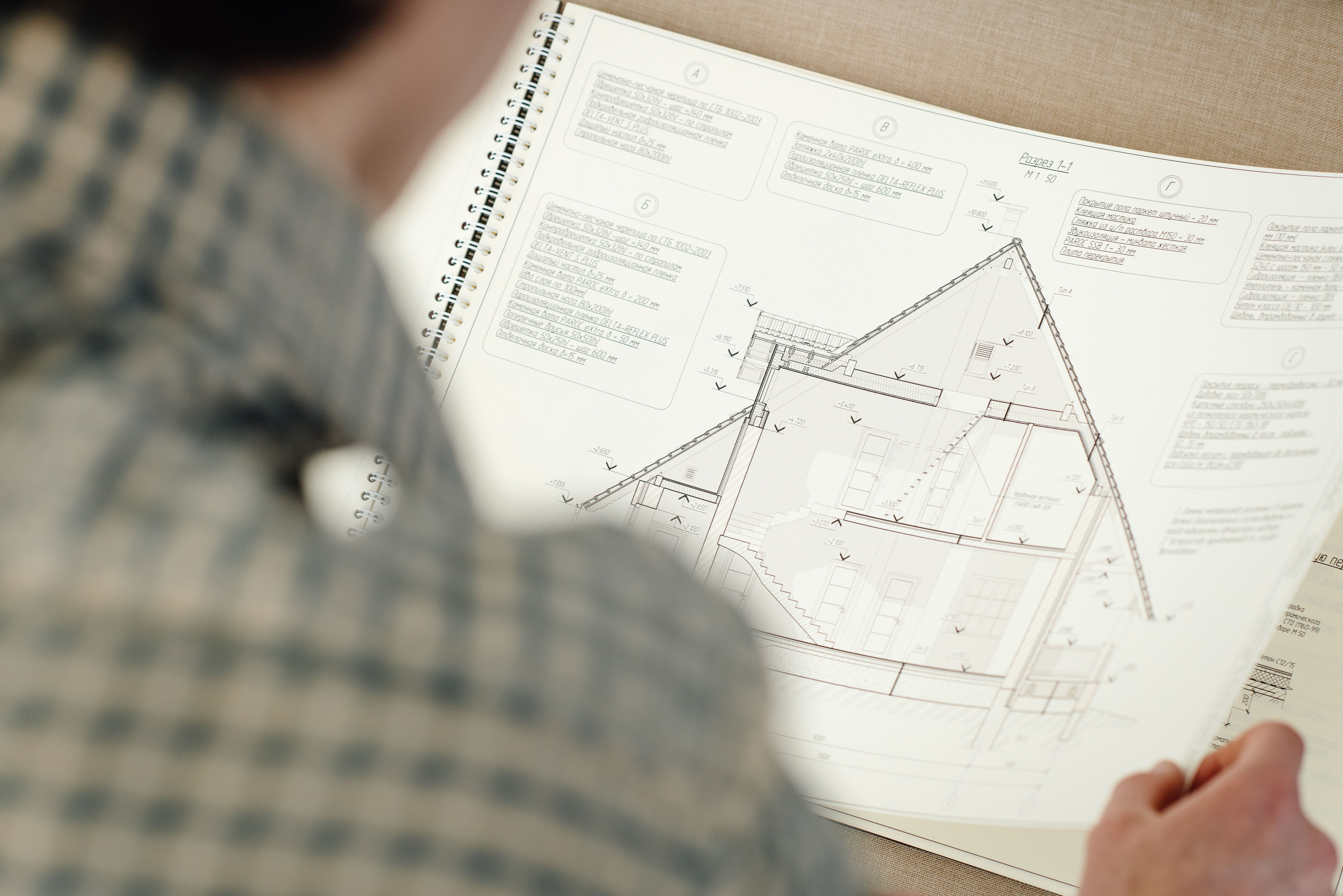
Drawings: Legends and reference numerals translated with absolute consistency; any mismatch here triggers immediate office actions.
Day 13–14: Dual validation and back-translationA second expert runs the translated text against the original while testing for jurisdiction-specific requirements. USPTO §112 enablement? EPO Article 83 sufficiency? CNIPA exact technical fidelity? All three get confirmed before certification.
Day 15 onward: Filing and prosecution supportCertified package lands with the receiving office. Because the translation already speaks the examiner’s language, first office actions arrive cleaner and faster—often shaving 4–6 months off total pendency.
Most inventors see the full translation package delivered in 10–14 business days when they follow this sequence. That speed compounds: cleaner filings mean fewer office actions, which means grants in 24–36 months at the USPTO instead of 36–48, or 3.5–4 years at CNIPA instead of 5+.
Before-and-After That Actually Matters
Original English (quantum-dot battery example): “The electrolyte matrix incorporates polymer chains capable of dynamic cross-linking upon mechanical stress, thereby restoring ionic conductivity within 30 seconds.”
Bad translation that kills novelty: “The electrolyte base uses plastic chains that can reconnect when pressed, fixing conductivity fast.”
Certified version: “The electrolyte matrix comprises polymer chains that undergo reversible dynamic cross-linking in response to mechanical stress, thereby restoring ionic conductivity within 30 seconds.”
The difference is night-and-day. Examiners see the precise mechanism instead of a vague “fixes fast,” so they grant full scope instead of narrowing claims or rejecting outright.
Practical Tips for Keeping Novelty Intact
Never let a generic translator swap terms—stick to the locked glossary even if it feels repetitive.
Preserve every numerical range and embodiment exactly; trimming “optional” examples can later be read as limiting the claim.
Make sure drawings and text use identical reference numerals and units—mismatches are the fastest route to indefiniteness rejections.
Run a final back-translation test against the original before signing the certification affidavit.
Inventors who’ve been through the fire say the difference is night and day. Dr. Elena Vargas, a biotech founder in Boston, told us: “My first filing lost six months because the abstract sounded like marketing copy. The second time, with proper invention patent application translation, we cleared examination in under 14 months and closed a $42 million Series A on the strength of the granted claims.”
Another engineer in Singapore added: “The checklist alone saved us from three potential rejections on the drawings. We filed in three jurisdictions simultaneously and all three examiners granted without substantive amendments.”
To make the process even smoother, download the free Invention Patent Translation Checklist PDF at the end of this article. It includes the exact glossary template, validation questions, and office-specific red-flag list that our clients use to stay on track.
Getting your breakthrough approved fast isn’t about luck or throwing more money at attorneys. It’s about translating the invention with the same rigor you used to create it—turning every word into ironclad protection instead of a hidden vulnerability.
Companies that treat this step as strategic rather than administrative increasingly partner with specialists who live at the intersection of language and technology. Artlangs Translation stands out here, proficient in more than 230 languages after years of focused work across translation services, video localization, short drama subtitle localization, game localization for short plays, multilingual dubbing of audiobooks, and multi-language data annotation plus transcription. Their portfolio of standout projects and hands-on experience ensures that even the most intricate invention patent application translation emerges clear, consistent, and fully enabling—no matter which jurisdiction holds the key to your global success.
Ready to move your idea from lab notebook to granted patent without the usual delays? Grab the free checklist and request a no-obligation translation audit today—the first step toward approval that actually arrives on time.