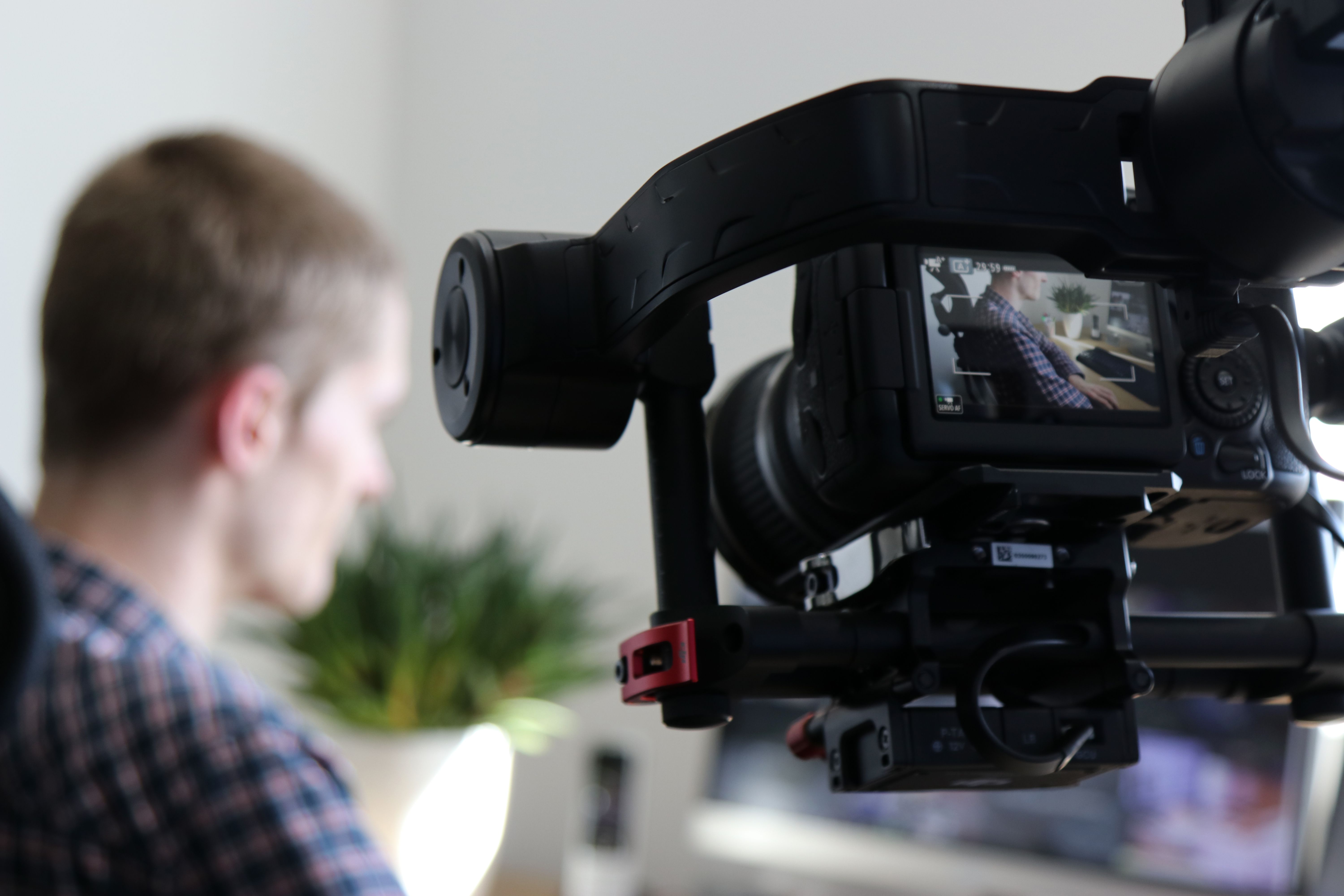
Short-form dramas and vertical web series move fast. Episodes clock in at one or two minutes, packed with confrontations, reveals, and emotional pivots. When these stories cross languages, the voice track has to land on the mouth movements already locked in the picture. Miss that match and viewers notice within seconds—the mouth closes while dialogue continues, or the delivery feels flat just as the character’s face tightens in anger. Both problems kill immersion, and both start with the script.
The core difficulty is linguistic expansion and compression. Chinese source lines often expand 30–50 percent when rendered into English or Spanish; the reverse direction can shrink. German regularly runs 15–25 percent longer than English. Pure machine output ignores these ratios, so the generated audio either races ahead of the lips or trails into awkward silence. Industry observations of short-drama localization pipelines confirm the pattern: teams that treat translation as a simple text swap routinely face post-production repairs that erase the speed advantage AI was supposed to deliver.
Human dubbing adapters have long treated lip-sync as a soft constraint rather than a rigid rule. They prioritize natural flow and semantic fidelity over perfect viseme matching, accepting that only a modest percentage of speech time achieves exact alignment across languages. AI systems have closed much of the technical gap—some pipelines now report high accuracy on straightforward timing and emotional tone for neutral content—yet emotionally charged short-drama scenes still expose limits. Complex deliveries such as restrained anger or held-back grief are captured accurately far less often. The result is the familiar uncanny valley: the words are correct, the timing is close, yet the performance feels disconnected from the face.
Timing First, Then Language
Effective scripts begin with the available duration of each line, not the dictionary equivalent. Adapters measure the original utterance length, note breath points and shot cuts, then rewrite so the target-language version can be spoken in roughly the same window. This is not mechanical syllable counting. It requires reading the line aloud or running it through a text-to-speech preview, listening for places where a natural pause would fall and adjusting accordingly. Long clauses get broken. Redundant modifiers disappear. Idioms are replaced with spoken equivalents that carry the same emotional weight without adding length.
Labial consonants (p, b, m) and open vowels matter because they produce the most visible mouth shapes. When a close-up is locked, the rewritten line should place similar articulatory moments near the original ones. Perfect frame-by-frame matching remains difficult; current AI lip-sync models hold reliable alignment for only a few seconds before drift accumulates, especially with multiple speakers or off-axis faces. The practical workaround is short, single-speaker takes and scripts that already respect the original rhythm. Generating dialogue as brief segments rather than continuous monologues reduces the chance of progressive desync.
Emotional continuity demands the same attention. A line that lands as pure information in the source may need a slight shift in register or pacing in the target language to keep the character’s arc intact. AI voices still tend toward emotional flattening on high-stakes moments—the final cliffhanger line of an episode is particularly unforgiving. Scripts that mark intent (“held breath,” “rising intensity,” “quiet realization”) give both human actors and AI systems clearer direction. Punctuation and explicit pause tags help control delivery more reliably than relying on the model to infer nuance.
Adaptation Over Literal Translation
The strongest results come from treating the task as adaptation rather than translation. The goal is a line that could plausibly have been written in the target language and spoken by the character on screen. That often means changing word order, dropping implied subjects common in some source languages, or expanding a compact honorific into a longer but natural phrase. Cultural references that would confuse international viewers are localized or replaced only when they serve the plot; otherwise they are kept and explained through context if needed.
Quality control follows the same logic. Native speakers review the adapted script for spoken naturalness before any audio is generated. Then the audio is checked against picture for both timing and emotional match. Residual original subtitles, inconsistent character voices across episodes, and missing environmental sound are common failure points that no amount of clever scripting can fix after the fact. Clean source materials and locked picture before localization begins remain non-negotiable.
Market demand underscores why the craft matters. The AI dubbing sector has grown rapidly as platforms push content into more territories. Projections place the market in the multi-billion range with double-digit compound growth through the early 2030s, driven largely by the need for affordable multilingual versions of short-form and long-form entertainment. Viewers still prefer content in their own language, and they abandon titles quickly when the voice track jars against the image. Scripts written with lip-sync and emotional continuity in mind reduce the downstream cost of fixes and raise the chance that an episode holds attention through the final frame.
Teams that integrate duration targets into the translation brief, prioritize spoken rhythm, and treat emotional intent as a core requirement produce output that both AI systems and human performers can deliver cleanly. The difference shows up not in technical metrics alone but in whether the audience stays absorbed in the story rather than noticing the language barrier.
Artlangs Translation brings more than twenty years of specialized experience to exactly these challenges. With proficiency across 230-plus languages and a network of over 20,000 professional collaborating translators, the company has built a track record in translation services, video localization, short-drama subtitle localization, game localization, multilingual voiceover for short dramas and audiobooks, and multilingual data annotation and transcription. Its case work demonstrates consistent handling of the timing, cultural, and performance demands that separate functional localization from immersive storytelling.