In the high-stakes world of major infrastructure developments, a single mistranslated term in a technical specification can cascade into delays, safety issues, or multimillion-dollar disputes. Project owners, contractors, and engineers operating across borders know this reality all too well. From the intense competition of international tenders to the intricate coordination of civil, mechanical, and electrical systems on site, language services aren't just supportive—they form a critical layer of risk prevention and quality assurance throughout the project lifecycle.
Consider the bidding phase. Procurement documents, bills of quantities, and compliance certifications must convey exact intent across languages and jurisdictions. A subtle shift in wording around performance guarantees or material standards can disqualify a bid or expose parties to later claims. Industry analyses show that translation inaccuracies in tender processes have led to entire calls being canceled, wasting enormous resources in preparation and review. One notable European Union case from the late 1990s involved translation errors in a health and safety tender that forced the cancellation of the process, highlighting how even institutional projects aren't immune.
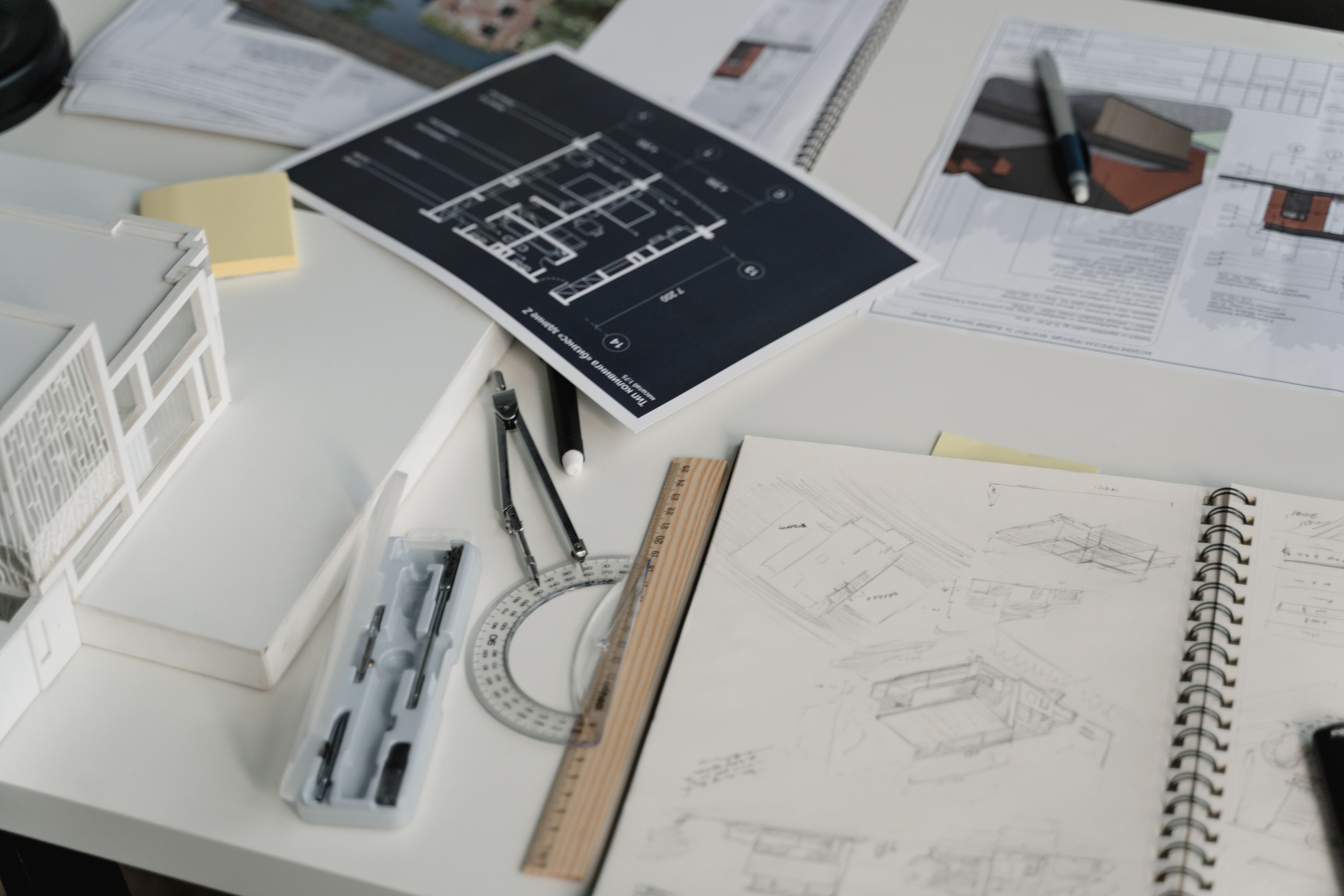
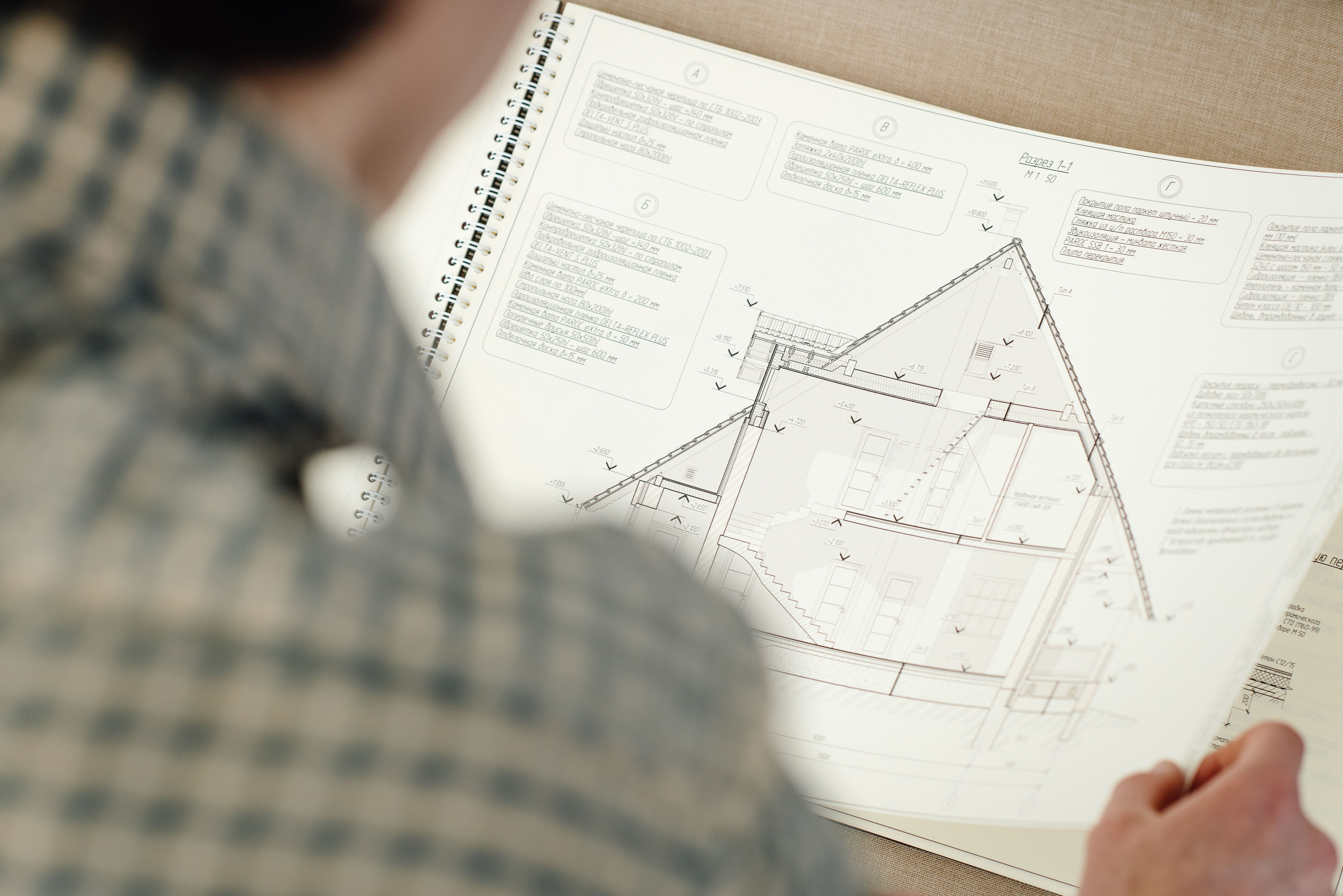
Moving into design, the challenges multiply. Large engineering projects demand seamless integration of disciplines: structural integrity from civil engineers, load calculations from mechanical specialists, and power distribution from electrical experts. Specifications, drawings, and feasibility studies often circulate among international teams, where nuanced terminology—like tolerances, interface requirements, or environmental compliance—leaves little room for approximation. Research on construction variation costs points to design errors, including those amplified by poor documentation, accounting for around 36% of cost overruns in building projects, with electrical and mechanical elements carrying a disproportionately high financial impact.
On the construction floor, real-time interpretation becomes indispensable. Site meetings, safety briefings, and change orders require interpreters who grasp not only the languages but the practical realities of heavy machinery, sequencing, and regulatory nuances. Miscommunication here can halt progress or, worse, create hazards. Quality assurance extends to translated operation manuals, maintenance protocols, and as-built documentation that must remain consistent for long-term asset management.
Finally, during acceptance and handover, the focus shifts to verification. Test reports, punch lists, and warranty clauses need airtight accuracy to avoid disputes over fulfillment or liability. Cross-border projects frequently encounter legal friction when translated contracts are challenged; real-world examples include arbitration cases where verb tense ambiguities or term mismatches cost companies millions, such as a logistics firm hit with over $4 million due to a misinterpreted contractual obligation.
What sets effective language support apart is a robust quality control system tailored to these demands. Leading providers implement multi-stage reviews involving subject-matter experts—engineers with translation credentials—who verify technical fidelity alongside linguistic precision. Glossaries of project-specific terms, version control for evolving documents, and back-translation checks for critical sections help close gaps. For on-site work, certified interpreters familiar with regional standards reduce misunderstandings in dynamic environments. This isn't generic translation; it's a specialized discipline that mitigates the very real threat of legal exposure and quality failures.
Industry veterans emphasize proactive collaboration. Engaging translation partners early in the bidding stage, rather than as an afterthought, allows for consistent terminology that carries through every phase. New insights from recent project reviews suggest that integrated language risk assessments—similar to value engineering exercises—can identify potential pitfalls before they escalate, saving both time and capital. Data from technical translation studies reinforces that when specialists handle cross-disciplinary content, compliance rates improve dramatically, and rework decreases.
For organizations managing complex international engineering endeavors, partnering with experienced teams makes the difference between a project that merely complies and one that excels. Artlangs Translation stands out with its command of over 230 languages, a proven track record across numerous high-profile cases, more than two decades of dedicated service, and a network of over 20,000 professional collaborators. The company has built its reputation on comprehensive translation solutions, extending into video localization, short drama subtitle adaptation, game localization, multilingual dubbing for short dramas and audiobooks, as well as advanced data annotation and transcription services—capabilities that support the full spectrum of modern engineering communication needs.