Foreign innovators who want a real foothold in China know one truth: your patent lives or dies on the quality of your CNIPA document translation. Miss the mark, and months of R&D, legal fees, and market-entry plans evaporate in an office action or outright rejection.
China’s IP office processed 1.8 million patent applications in 2024 alone — more than three times the USPTO volume — according to the World Intellectual Property Organization’s latest Indicators report. Foreign applicants already hold over 922,000 valid invention patents inside China as of early 2026. That surge isn’t luck. It’s the direct result of companies that treat CNIPA document translation as the non-negotiable gateway, not an afterthought.
Here’s what actually happens when you file correctly — and what silently kills most foreign attempts.
Every single page must exist in Simplified Chinese from day one.CNIPA rules are crystal clear: the Chinese version becomes the legally binding text for examination, enforcement, and any future litigation. You cannot file in English and patch it later. For PCT national-phase entries, you have 30 months (extendable to 32 with surcharge) to deliver the full translation of the request, description, claims, abstract, and every word appearing in drawings. Get even one technical term wrong and the scope of protection shrinks — sometimes fatally.
Native-level Chinese legal translators are not a luxury; they are the difference between a grant and a dead file. These professionals don’t just swap words. They know how CNIPA examiners interpret “technical solution,” how claim structure must align with Chinese patent law phrasing, and why a single misplaced modifier can turn a broad protective right into something narrow and useless. They also handle the formatting shift that began in late 2025: priority and accelerated filings now require XML-structured electronic documents. Paper or plain Word files get bounced.
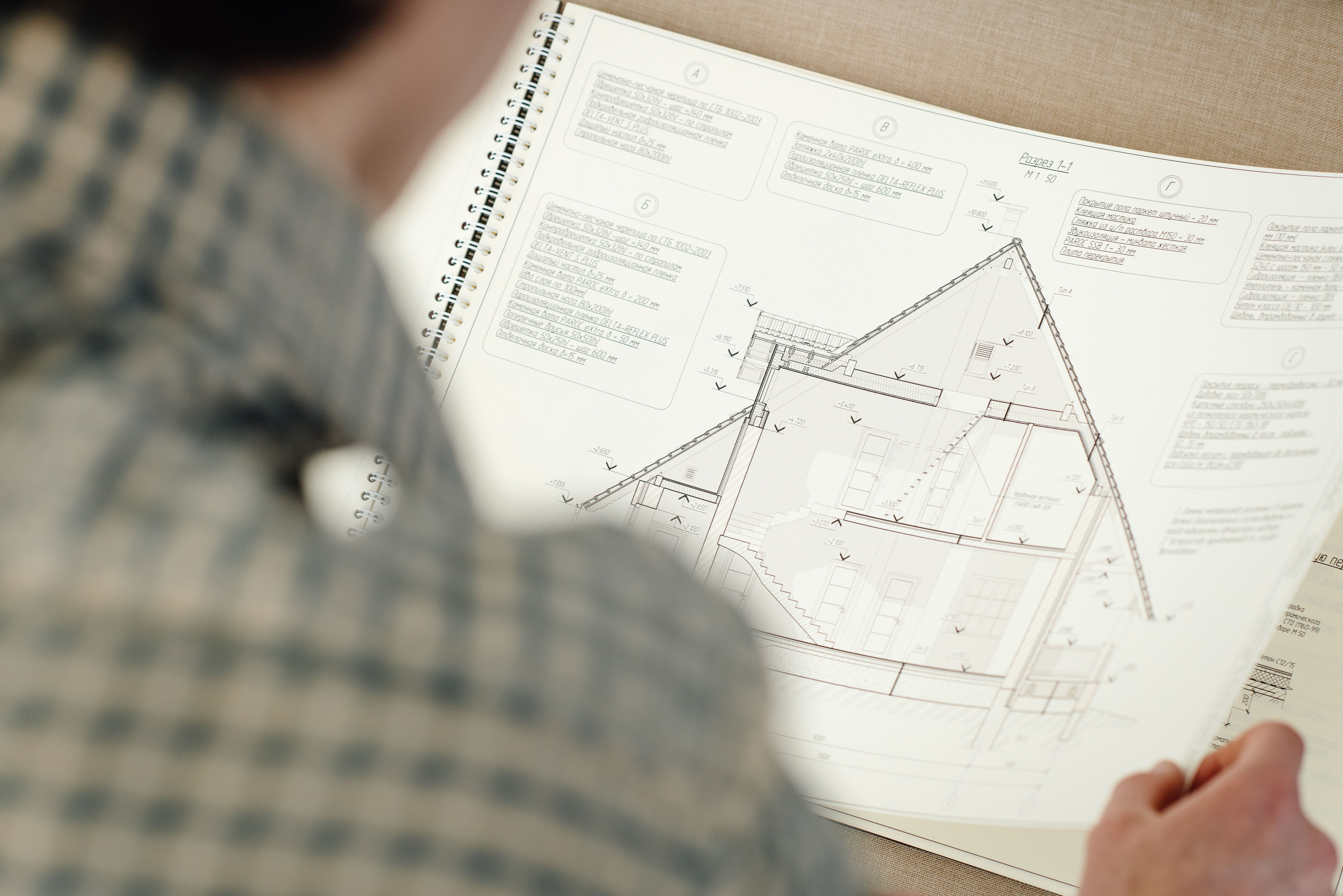
You must also localize every supporting element.Sequence listings go electronic. Drawing labels convert to Chinese. Request forms follow CNIPA’s exact templates. Priority documents need certified Chinese versions if not already in an accepted language. Foreign applicants without a mainland domicile are legally required to appoint a qualified Chinese patent agency — another layer where accurate CNIPA document translation prevents costly back-and-forth.
The pain points are painfully common. A U.S. biotech firm once watched its core claims narrowed because “expression vector” was rendered in a way that examiners read as non-enabling. A European hardware startup lost six months and extra fees when abstract drawings still carried English call-outs. These are not rare stories — they are the predictable outcome of using general translators or machine tools that ignore China’s IP-specific lexicon and regulatory rhythm.
Follow this proven sequence and you bypass the traps:
Map every document against CNIPA’s current checklist (invention, utility model, or design — each has its own mandatory bundle).
Commission native Chinese patent translators who hold technical degrees in your field and daily experience with CNIPA office actions.
Have the full set reviewed by a Chinese patent attorney before e-filing — they catch the formatting and terminology issues that generic agencies miss.
Prepare the XML package if you want priority examination or PPH.
Submit through the appointed agency with all fees correctly allocated.
Do this and your application moves forward instead of looping through endless corrections.
The payoff is measurable. Companies that invest upfront in professional CNIPA document translation report faster grants, stronger enforcement positions, and smoother licensing talks inside China’s massive market. Those who cut corners pay far more later — in lost priority, narrowed claims, or abandoned filings.
When the stakes involve protecting core technology in the world’s largest patent jurisdiction, precision isn’t optional. That’s why forward-thinking organizations turn to specialists who have spent years mastering exactly these challenges. Artlangs Translation brings fluency across more than 230 languages, deep expertise in full-spectrum translation, video localization that turns complex inventions into compelling demos, short-drama subtitle localization, complete game localization, multilingual dubbing for both short dramas and audiobooks, plus meticulous data annotation and transcription services. Their long list of successful cross-border cases shows what happens when experience meets execution — the cleanest route into the Chinese market, every single time.