Companies pouring money into multilingual expansion often hit the same wall: translation costs spiral, deadlines slip, and the quality still doesn’t match what their brand promises. If you’ve been running Google Ads in five languages or localizing a SaaS platform for the European market, you already know the feeling. That’s precisely why AI translation post-editing has moved from a niche workflow to a mainstream strategy—and why understanding its actual return on investment matters more than the hype suggests.
Let’s cut through the noise.
The Allure of Free Machine Translation—And Its Real Price
Google Translate, DeepL, ChatGPT—these tools are genuinely impressive. Feed them a straightforward sentence in English, and the French or German output is often perfectly usable. According to CSA Research, neural machine translation now achieves 85–92% fluency rates for major European language pairs. For internal emails, getting the gist of a competitor’s foreign-language press release, or drafting initial versions of technical docs, raw AI output gets the job done at zero marginal cost.
The problem starts the moment that content faces your actual customers.
Raw machine translation strips away brand voice, mishandles industry-specific terminology, and regularly produces the kind of awkward phrasing that erodes trust. A Slator survey of enterprise localization buyers found that 67% of those using unedited machine translation for customer-facing materials reported at least one embarrassing error in the previous twelve months. Not “minor awkwardness”—embarrassing. The kind of error that shows up in a customer review or, worse, a screenshot on social media.
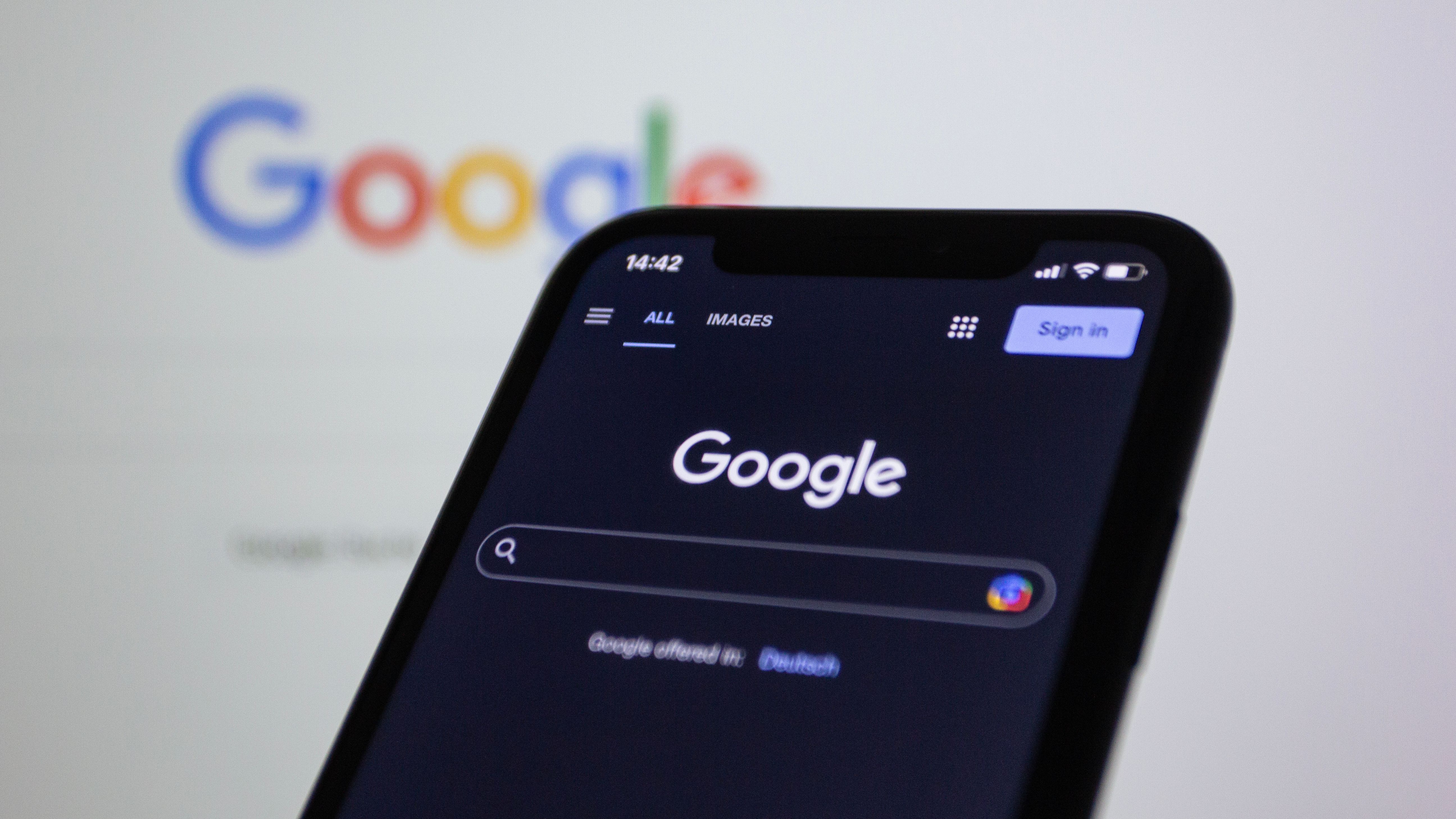
There’s also the SEO dimension. Google rewards content that reads naturally and demonstrates authority. Machine-translated pages often exhibit unnatural syntax patterns and thin-sentence structures that signal low quality. In an era where Google’s AI Overviews and generative search are increasingly surfacing summarized answers, poorly translated content simply doesn’t get cited. It becomes invisible.
MTPE: The Workflow That Actually Moves the Needle
Machine Translation Post-Editing—MTPE for short—sits between “free and risky” and “expensive and polished.” A trained linguist takes the AI’s initial output and refines it: correcting errors, adjusting tone, ensuring terminology consistency, and making the text read as though it were originally written in the target language.
The financial case is straightforward:
• Cost reduction: MTPE typically costs 40–60% less than traditional human translation from scratch (GALA, 2024)
• Turnaround speed: Most MTPE projects complete 30–50% faster than full human translation
• Quality ceiling: When edited by experienced professionals, MTPE output consistently meets or exceeds fully human-translated benchmarks for technical, legal, and e-commerce content
But—and this matters—MTPE is not a silver bullet. Applying it uniformly across all content types is where companies waste money and compromise quality simultaneously.
A Practical Decision Framework
After managing hundreds of localization projects, the pattern is clear: the right approach depends entirely on what you’re translating and who’s reading it. Here’s a framework that works:
When MTPE delivers strong ROI:
• Technical documentation and product manuals
• E-commerce descriptions scaled across dozens of SKUs
• Internal training and compliance materials
• Software strings and UI elements with existing translation memories
• Legal documents where a bilingual attorney performs final review
When raw AI is “good enough” (with caveats):
• Social media monitoring and competitive intelligence
• Quick internal communications across global teams
• Early-stage drafts awaiting stakeholder feedback
When you should insist on full human translation:
• Marketing campaigns, taglines, and brand messaging
• Video scripts, subtitles, and voiceover content
• Medical or pharmaceutical content subject to regulatory review
• Any customer-facing material where your brand reputation is on the line
The Cleanup Cost That Nobody Budgets For
Here’s something vendors rarely mention during sales calls: fixing a bad machine translation is often more expensive than translating from scratch. When raw AI output goes live and the quality complaints roll in, the remediation process is painful. Linguists first have to identify the machine’s errors—which takes longer than translating fresh—then correct them while preserving any salvageable phrasing. CSA Research estimates rework on poorly machine-translated content costs 2–3x the original would-be translation expense.
That’s not a theoretical risk. It’s a budget line item that shows up after the damage is already done.
Here’s a quick comparison to help frame the decision for your team:
Approach |
Relative Cost |
Quality Level |
Speed |
Best For |
Raw AI |
Very Low |
Variable |
Instant |
Internal drafts |
MTPE |
Medium |
High |
Fast |
Most business content |
Full Human |
Higher |
Highest |
Standard |
Brand-critical content |
Building a Localization Strategy That Scales
The companies getting localization right aren’t the ones picking a single approach and applying it everywhere. They’re the ones treating different content types differently, building workflows that balance speed against quality, and partnering with teams who understand both the technology and the linguistics.
Artlangs Translation brings exactly that kind of nuanced expertise to the table. With deep experience across 230+ languages, the team specializes not just in translation but in the full spectrum of localization challenges—video localization, short-form drama subtitle adaptation, game localization, multilingual audiobook dubbing, and multilingual data annotation and transcription. It’s the kind of operational breadth that comes from years of solving real problems for clients who can’t afford to get language wrong.