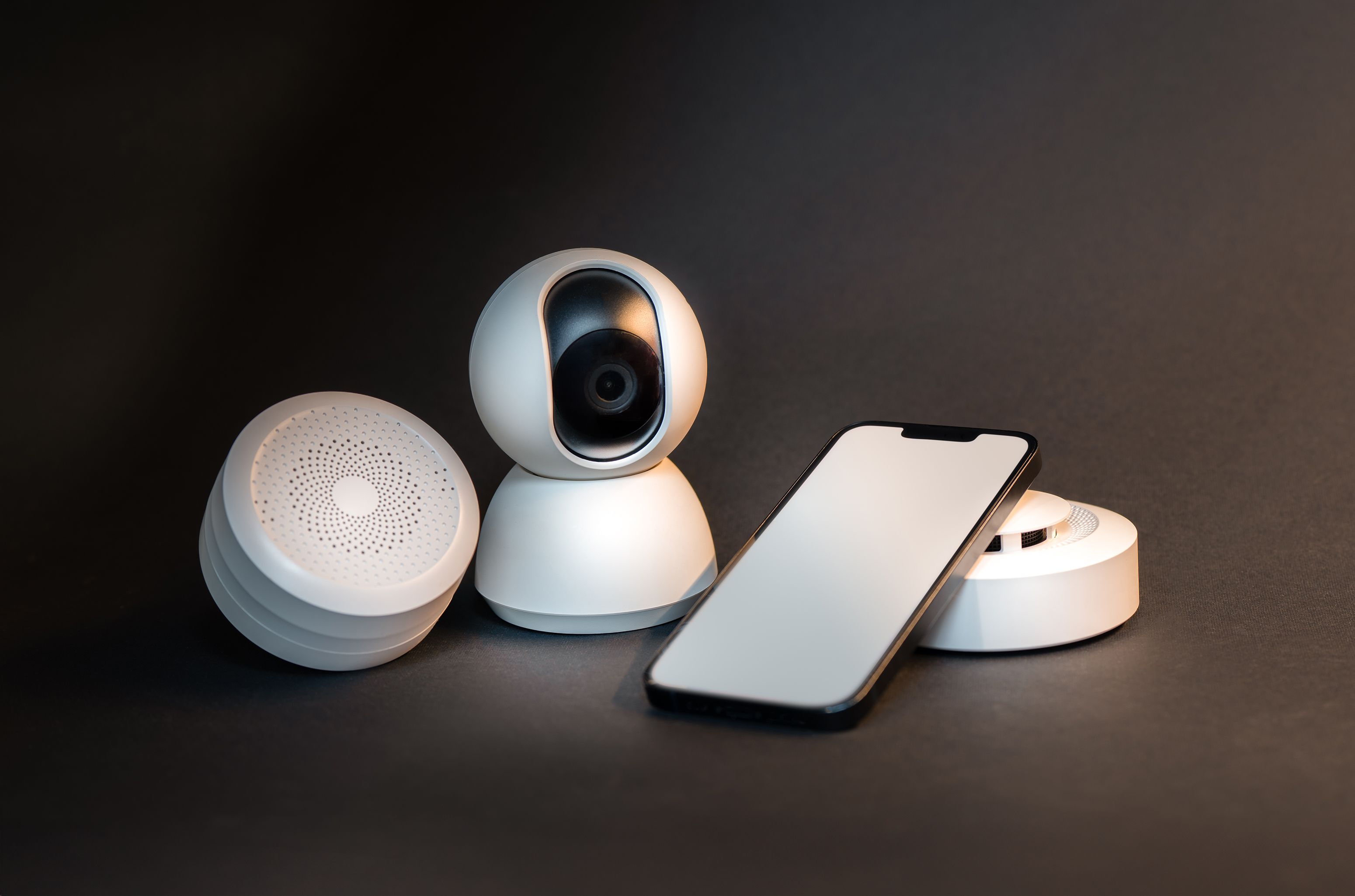
A customer in Berlin opens the box of a new smart thermostat. The companion app displays a clean “Heizen starten.” The printed quick-start guide, translated weeks earlier from an older English string list, talks about adjusting the “room climate setting.” Ten minutes of menu hunting later, a support ticket is opened and a return is considered. In a different market the same product later draws attention from market surveillance because the residual-risk warning about overheating lacks the precise structure expected under the Radio Equipment Directive and Low Voltage Directive.
These mismatches are common rather than exceptional. Smart home devices, wearables, and other AIoT products ship into dozens of languages while firmware, app strings, and documentation move on separate schedules. The result is friction for users and compliance exposure for manufacturers.
Hardware screens leave little room. German, Finnish, and certain other languages routinely expand English strings by 30 percent or more on short labels; some Romance languages add 15–25 percent. Translators working from isolated string lists produce accurate words that no longer fit the pixel budget or match the fuller phrasing used in the manual. Capitalization, synonym choices driven by space limits, and section titles drift. When a safety instruction then refers to a menu item that does not exist on the device, the documentation itself can become a compliance defect.
Safety language faces an even stricter test. In the European Economic Area, instructions and residual-risk information must appear in a language easily understood by end users in the Member State of sale. The Radio Equipment Directive, Low Voltage Directive, EMC requirements, and related rules all demand clear, comprehensible warnings that support safe installation, use, and disposal. A literal rendering of an English “Caution: risk of electric shock” often fails the tone and structure expected by national authorities. In the United States, FCC Part 15 rules require specific compliance statements, interference notices, and RF-exposure language in the user manual, typically in English. Other markets add their own layers—official-language requirements in Japan, or varying expectations across Asia-Pacific and Latin America.
Industry data underlines the cost. Studies have linked a substantial share of warranty claims in Europe to product misuse rather than manufacturing defects; one analysis put the figure near 38 percent. Research associated with TÜV SÜD found that a majority of home-electronics warranty cases stemmed from user error, with a large portion tied directly to incomplete understanding of the instructions. A Dutch controlled test showed users with professionally localized manuals making far fewer installation errors. In consumer electronics, a high percentage of returns are classified as “no fault found”—the product works, yet the customer could not complete setup or felt uncertain about safe operation. Manual deficiencies have also appeared in a notable share of product notifications recorded in European market-surveillance systems.
The practical response is to treat the interface strings, in-app help, printed or PDF manuals, and compliance statements as one continuous content surface. Teams that succeed lock terminology early, treating the approved UI strings as the authoritative source. Glossaries and translation memory keep the same sensor name, alert priority, or reset procedure consistent across every touchpoint. In-context review against actual device screens or builds catches expansion and truncation problems before firmware is frozen. Subject-matter linguists who understand both the technology and the relevant directives review safety sections; generalist translation rarely distinguishes the regulatory weight of “de-energize” versus a softer alternative.
Version control matters. A firmware update that changes a button label must trigger a corresponding update in the manual and, where required, in Declaration of Conformity language. Layouts are designed from the start with expansion room—commonly 30–50 percent extra width for short labels. Units, decimal conventions, and measurement systems are localized deliberately rather than left to automatic conversion that can break the link to sensor values.
Different regions reward different levels of precision. European market-surveillance authorities and platforms have suspended listings when language versions failed to meet standards. U.S. retailers and FCC expectations focus on the presence of the required statements and accessibility of labeling information. In markets with strong consumer-protection cultures, clear, native-sounding safety hierarchy (danger/warning/caution) reduces both support load and liability exposure. Manufacturers that align documentation early often see measurable drops in returns and warranty claims; one large appliance brand reported a meaningful reduction after a global manual overhaul that included professional localization and terminology control.
The work is iterative. New radio modules, battery chemistries, or cybersecurity features under evolving frameworks such as the Cyber Resilience Act introduce fresh wording that must stay consistent across languages. Continuous localization pipelines that keep UI and documentation in sync reduce the risk that a last-minute string change quietly invalidates a previously approved manual.
Artlangs Translation supports manufacturers facing exactly these constraints. With more than twenty years of experience, proficiency across 230-plus languages, and a network of over 20,000 professional linguists, the company delivers technical documentation, UI localization, and compliance-aligned manuals for hardware and software clients worldwide. Its portfolio also covers video localization, short-drama subtitle work, game localization, multilingual dubbing for short dramas and audiobooks, and large-scale data annotation and transcription. Teams combine subject-matter expertise with regulatory familiarity so that the words on the screen, the words in the manual, and the words required by law remain the same words.