Patients heading abroad for specialized care in 2026 are discovering that International Medical Translation Service can make or break their entire treatment journey. When medical records, consent forms, treatment plans, and discharge summaries cross borders, even a minor wording slip in a surgical note or prescription can lead to dosing errors, delayed approvals, or outright miscommunication between home-country physicians and overseas specialists. For the growing number of Americans, Europeans, and Canadians seeking everything from orthopedic procedures in Germany to advanced oncology care in Singapore, accurate cross-border medical documents aren’t a luxury—they’re the difference between seamless recovery and months of unnecessary complications.
The numbers paint a clear picture of why this matters now more than ever. The global medical tourism market is projected to reach USD 84.5 billion in 2026, climbing toward USD 174.1 billion by 2035 at an 8.4% CAGR, according to Global Market Insights. Other forecasts place 2026 valuations even higher, reflecting surging demand for cost-effective, high-quality care in accredited international facilities. At the same time, language barriers continue to drive preventable harm: patients with limited English proficiency (or equivalent local-language gaps abroad) face up to 30% higher rates of unintended hospital events, while studies of real-world safety reports show interpretation and translation issues appearing in over 82% of documented incidents involving non-native speakers.
One Patient’s Journey: Where Language Barriers Turn into Real Risks
Consider the experience of Michael Thompson, a 52-year-old software executive from Chicago who traveled to Munich in early 2025 for a complex knee reconstruction unavailable under his U.S. insurance timeline. His story mirrors what thousands will face in 2026.
Step 1 – Pre-travel record transferMichael’s U.S. orthopedic records, MRI reports, and surgical history arrived at the German clinic in English. The hospital’s internal team attempted a quick machine-assisted pass into German. A key phrase describing “partial ACL tear with meniscal involvement” came across as “incomplete ligament damage,” omitting critical details about prior arthroscopic findings. The German surgeon scheduled a less extensive procedure than planned. Michael only discovered the mismatch during the pre-op consult—after he had already flown across the Atlantic and taken two weeks off work.
Step 2 – Informed consent and consultationGerman-language consent forms arrived the morning of admission. Michael, whose high-school German was rusty at best, struggled to grasp nuances around anesthesia risks and post-operative weight-bearing restrictions. A rushed on-site interpreter missed the distinction between “immediate” versus “gradual” loading protocols. Michael signed, assuming the restrictions matched his U.S. surgeon’s notes. The result? He over-stressed the repair in the first week, requiring an unplanned revision assessment.
Step 3 – Treatment and daily documentationDuring his hospital stay, nursing notes and medication instructions were provided in German. Discharge prescriptions used brand names unfamiliar in the U.S., and follow-up lab orders referenced German reference ranges without conversion. Back home, Michael’s Chicago physician spent hours reconciling the documents, delaying physical therapy by ten days and triggering an insurance audit over “unverified foreign claims.”
Step 4 – Return and long-term follow-upThe final German discharge summary needed translation for Michael’s U.S. insurer and physical therapist. Without professional International Medical Translation Service, subtle instructions about “proprioceptive training progression” were rendered generically, leading to suboptimal rehab and a lingering limp six months later.
Michael’s case isn’t rare. Across hospitals and clinics handling international patients, similar gaps routinely surface in everything from cardiology reports to fertility treatment protocols. One Pennsylvania review of 336 patient-safety events found language-related issues in 82.4% of cases, with over half resulting in missed or delayed care.
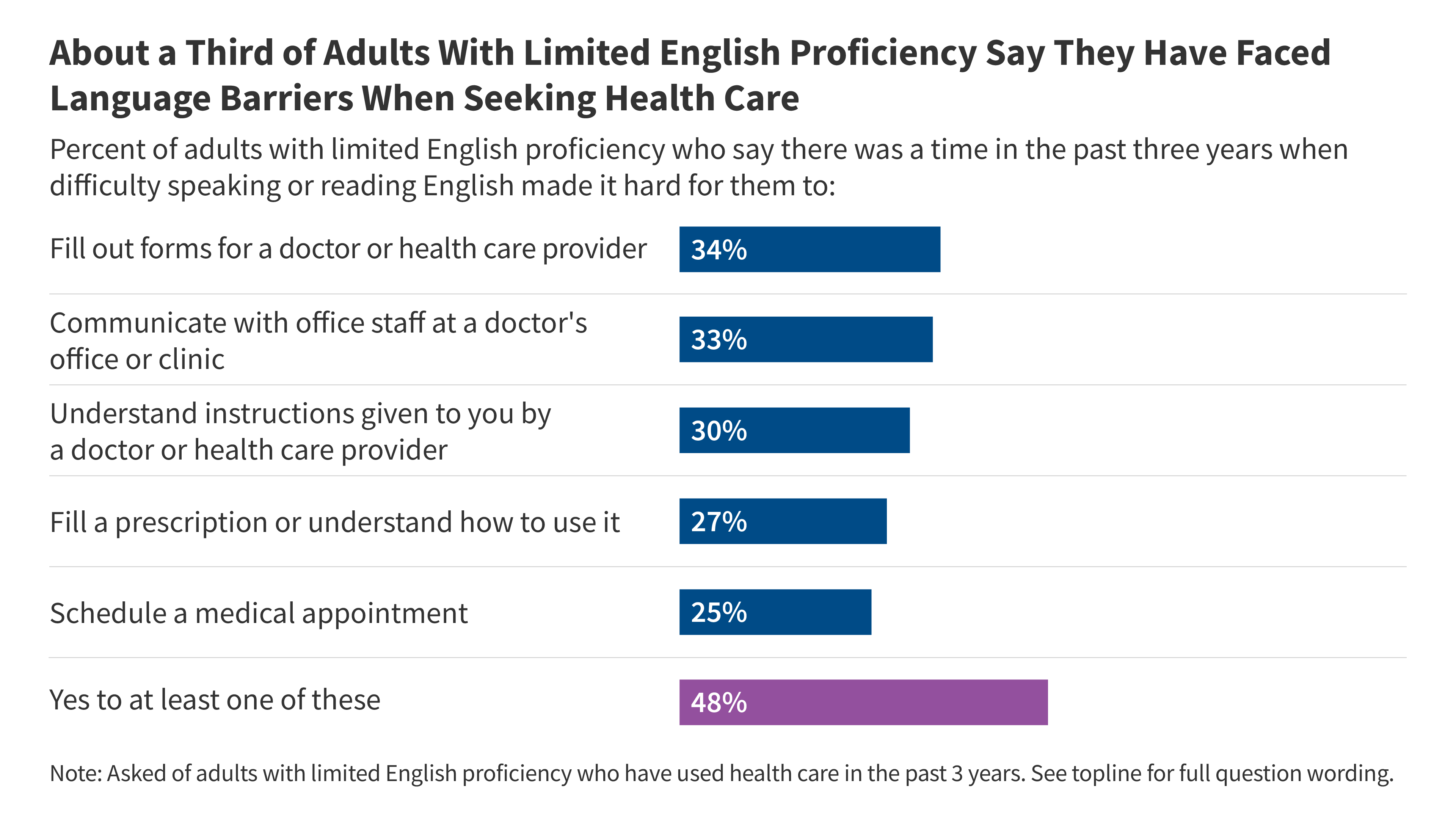
The infographic above highlights just how frequently limited-proficiency patients encounter concrete barriers—34% struggle with forms, 30% misunderstand instructions, and nearly half face at least one major hurdle. Multiply that by the projected surge in cross-border travel, and the need for reliable translation becomes obvious.
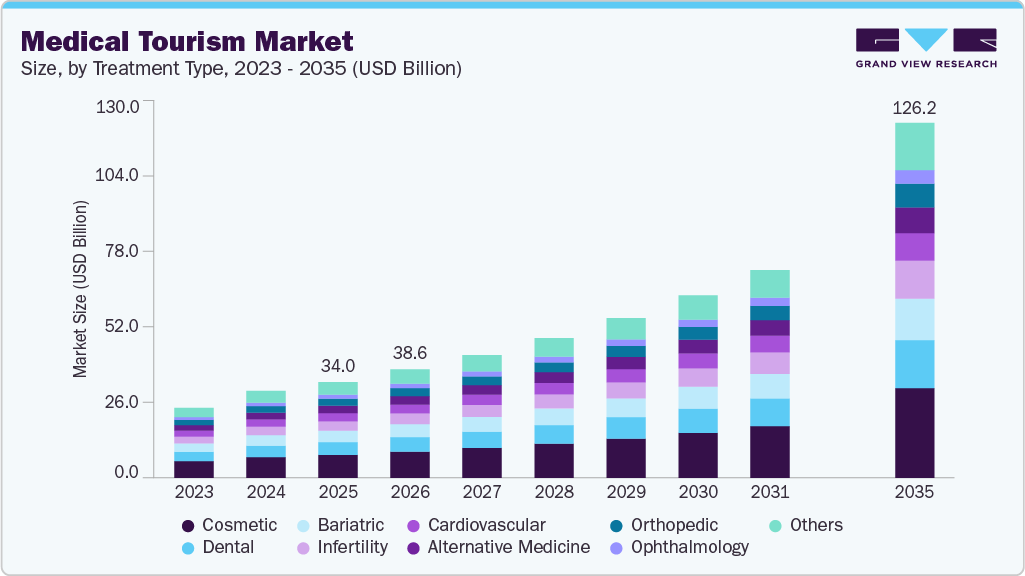
This market-growth chart shows why 2026 will test every link in the chain. Cosmetic, orthopedic, cardiovascular, and “other” procedures are all scaling rapidly, each carrying dense technical documentation that must travel flawlessly between countries.
What Professional Cross-Border Translation Actually Delivers
A dedicated International Medical Translation Service doesn’t just swap languages—it aligns clinical intent across regulatory environments. Certified medical linguists (many with clinical backgrounds) work with:
Country-specific terminology banks (FDA vs. EMA vs. PMDA phrasing)
Unit conversions and reference-range adjustments
Culturally adapted patient-education materials
Version-controlled, audit-ready deliverables that satisfy both home and host-country insurers
The result is fewer surprises, faster insurance reimbursements, and smoother handoffs between care teams. Hospitals that routinely use professional services report significantly lower rates of clarification requests and rework—saving both time and money while protecting patients like Michael from avoidable setbacks.
Making the Process Seamless Across Borders
From the moment a patient begins gathering records until the final follow-up note lands back with their home physician, every document can be handled in one coordinated workflow. Pre-consult summaries, imaging reports, consent packets, operative notes, prescriptions, and rehabilitation plans all move through expert hands that understand both the medicine and the destination’s legal nuances. Multi-country coordination—🇺🇸 to 🇩🇪, 🇬🇧 to 🇹🇭, 🇨🇦 to 🇸🇬—becomes routine rather than risky.
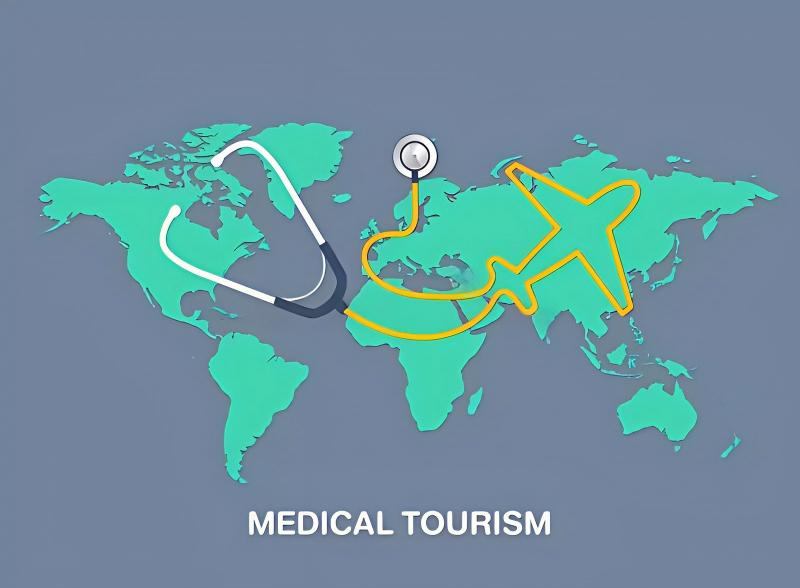
The global map of medical travel routes keeps expanding, and the documents must keep pace.
When your next overseas treatment plan involves medical files that simply cannot afford to lose a single detail, the right partner turns potential friction into frictionless care. Artlangs Translation brings exactly that level of reliability. Proficient across more than 230 languages and sharpened over years of specialized work in translation services, video localization, short drama subtitle localization, game localization, multi-language dubbing for short dramas and audiobooks, plus multi-language data annotation and transcription, their teams have supported hundreds of complex cross-border cases. Whether you’re coordinating records for a U.S. patient heading to Europe, a European executive seeking care in Asia, or any combination in between, Artlangs makes sure every document arrives clear, compliant, and clinically accurate—so the only thing you focus on is getting better.