Dealing with patent translations isn't just about swapping words from one language to another—it's a meticulous process that safeguards your intellectual property across international borders. As inventors and companies push boundaries in tech, pharma, and beyond, the volume of global patent filings continues to climb. According to the latest figures from the World Intellectual Property Organization (WIPO), innovators filed a record 3.7 million patent applications worldwide in 2024, up 4.9% from the previous year, marking the fastest growth since 2018. This boom underscores why precise translations are more essential than ever, especially when a small error could derail a multimillion-dollar claim.
One of the biggest hurdles for IP teams? The overwhelming size and complexity of these documents. A single patent can span hundreds of pages, crammed with technical specs, legal jargon, and intricate diagrams. Keeping track of revisions, ensuring consistency across languages, and meeting deadlines for offices like the USPTO or EPO often turns into a logistical nightmare. That's where a full-spectrum translation service shines—it handles the entire journey, from initial setup to final submission, easing the burden and minimizing risks.
Think about how this unfolds in practice. I'll walk you through the key stages, drawing on real-world insights to show how it all comes together.
Getting Started: The Crucial Preparation Stage
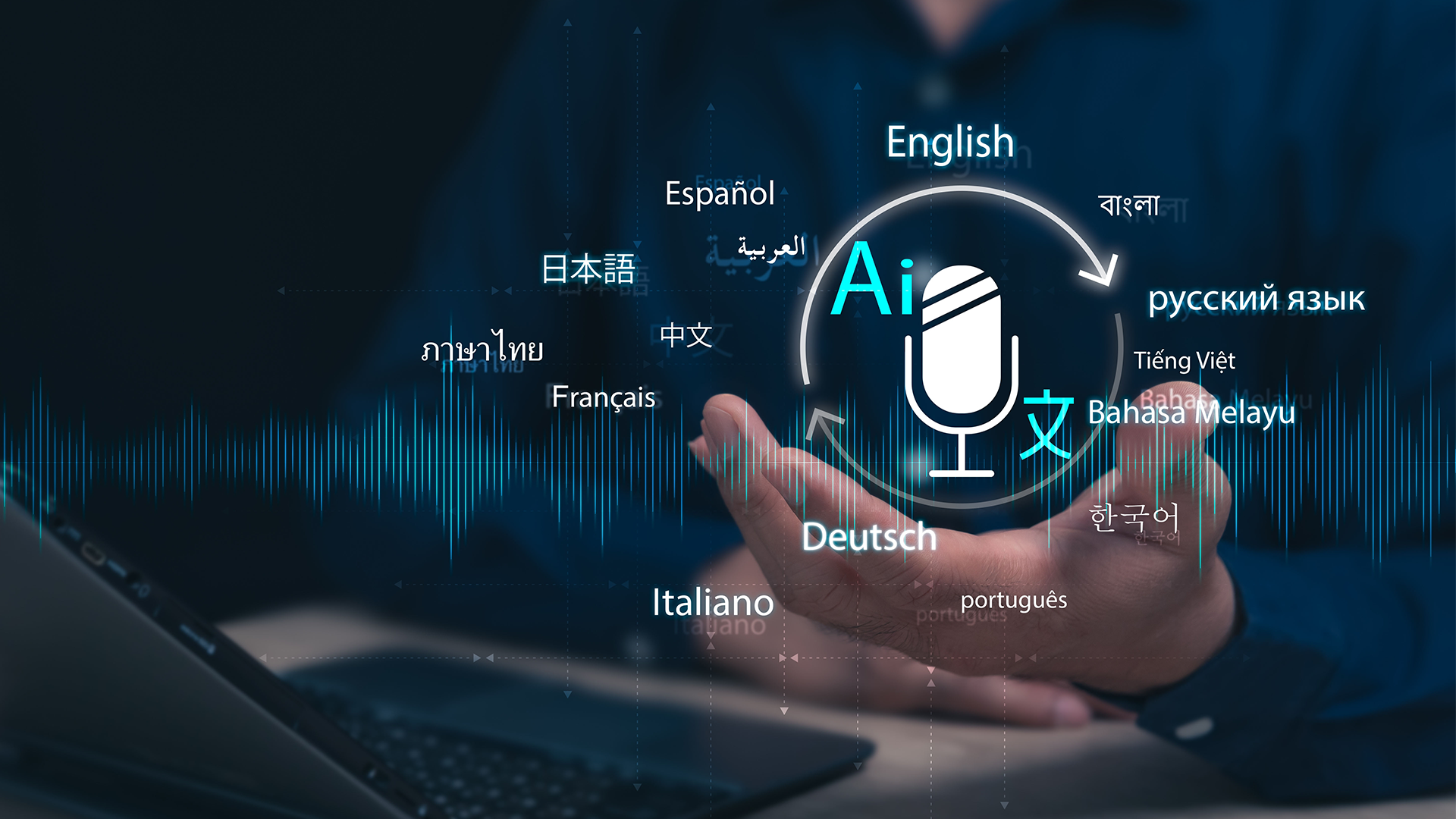
Everything hinges on solid groundwork. Before diving into translation, you need to evaluate the source material thoroughly. Which target languages make sense for your strategy? If you're eyeing key markets, that might mean versions in Japanese for tech hubs, French for certain European filings, or Arabic for emerging Middle Eastern opportunities. Each jurisdiction has its quirks—the European Patent Office, for example, demands translations that align perfectly with their validation rules.
The sheer bulk of documents amplifies the challenge here. With patents routinely exceeding 200 pages, including appendices and references to prior art, manual handling is inefficient and error-prone. Industry experts note that translation mishaps contribute to about 20% of international patent rejections, often stemming from overlooked ambiguities in the prep phase. Smart services use specialized software to scan and segment files, highlighting tricky terms like "prior art" or "enablement" that vary subtly by culture and law. Pairing this with input from domain specialists—say, a materials scientist for a nanotechnology patent—ensures the foundation is rock-solid.
WIPO data highlights the international angle: around 273,900 Patent Cooperation Treaty (PCT) applications were filed in 2024, a modest 0.5% rise that still signals steady demand for multilingual prep. By tackling these details early, you avoid costly do-overs and keep momentum going.
Diving In: The Translation and Localization Core
This is where the magic—and the heavy lifting—happens. Translating patents requires more than fluency; it's about achieving legal parity so your claims hold up in court anywhere. Human experts, often certified in IP law, collaborate with AI tools to manage the workload without sacrificing accuracy.
Management woes peak here, too. Juggling versions across languages means constant updates, and a slip-up could introduce inconsistencies. Reliable providers deploy cloud-based platforms for real-time collaboration, complete with custom glossaries to standardize terminology. Take a semiconductor patent, for instance: terms like "doping" must convey the exact scientific intent, or you risk invalidation.
The market for these specialized services is expanding rapidly. Valued at roughly USD 193 million globally in 2024, it's expected to climb to USD 210 million in 2025 and beyond, fueled by surging cross-border activity. Countries like China and the U.S. lead the pack, with China alone filing over 1.6 million patents in recent years. Iterative reviews, including back-translations, polish the output, making the end result not just accurate but defensible.
Keeping It All on Track: Oversight and Quality Assurance
Oversight turns potential chaos into order. Coordinating teams globally, securing sensitive data, and logging every change for audits can bog down even the best operations. Dedicated project leads, armed with intuitive dashboards, monitor progress and flag issues before they escalate.
Quality checks are the safety net. Following standards like ISO 17100, these involve independent verifications to catch nuances that machines might miss. In an era where AI-related patents have exploded—generative AI filings alone jumped from 733 in 2014 to over 14,000 in 2023—the stakes are high for precision. Secure protocols, like encrypted storage, add layers of trust, simplifying what could otherwise be a tangled process.
Wrapping Up: Delivery and Ongoing Support
Finally, delivery seals the deal. Formats must match submission needs—think searchable PDFs or XML for e-filing. But top services don't stop there; they offer follow-up for responses to office actions or amendments, extending value long-term.
Ultimately, navigating patent translations demands a partner who grasps the full picture, turning complexity into clarity. Firms like Artlangs Translation excel in this space, drawing on years of expertise across more than 230 languages. Their focus spans not just translations but also video localization, subtitling for short dramas, game adaptations, multilingual dubbing for audiobooks and dramas, plus data annotation and transcription. With a string of successful projects under their belt, they bring proven strategies that make the entire lifecycle smoother and more effective for your IP needs.