When you're trying to safeguard an invention across borders, the last thing you want is a slip-up in how it's described. Patents aren't just legal documents; they're the backbone of innovation protection in a world where ideas travel fast. Last year alone, inventors filed around 3.7 million patent applications globally, a jump of about 4.9% from 2023, as reported by the World Intellectual Property Organization. That's a clear sign businesses are ramping up their efforts to lock down intellectual property amid tougher competition. But here's the catch: without the right translation strategy, all that effort can unravel quickly.
Off-the-shelf translation services often miss the mark for patents. These aren't everyday texts—they're loaded with specialized terms, from engineering specs to biotech details, and they have to align perfectly with different countries' legal frameworks. Take a software company eyeing the Asian market; a generic translator might botch key phrases in algorithm descriptions, causing headaches down the line. Needs vary so much too—one client might deal with renewable energy patents requiring exact environmental jargon, while another focuses on medical devices with strict regulatory language. Sticking to standard options can lead to mismatched results, slowing down approvals and eating into budgets.
The risks from botched translations are no joke. A single error can torpedo a patent's validity, leaving your invention exposed. For example, in one U.S. case involving a drug patent, a poor translation introduced a nonsensical term like "half-liquid," which had no real meaning in the field and ultimately got the patent tossed out by the court. Over in China, inaccuracies can be even more damaging, potentially leading to outright invalidation, weaker enforcement, and big financial hits from lost market opportunities or infringement battles. With IP disputes racking up billions in costs each year, these mistakes aren't just annoying—they can derail entire expansion plans.
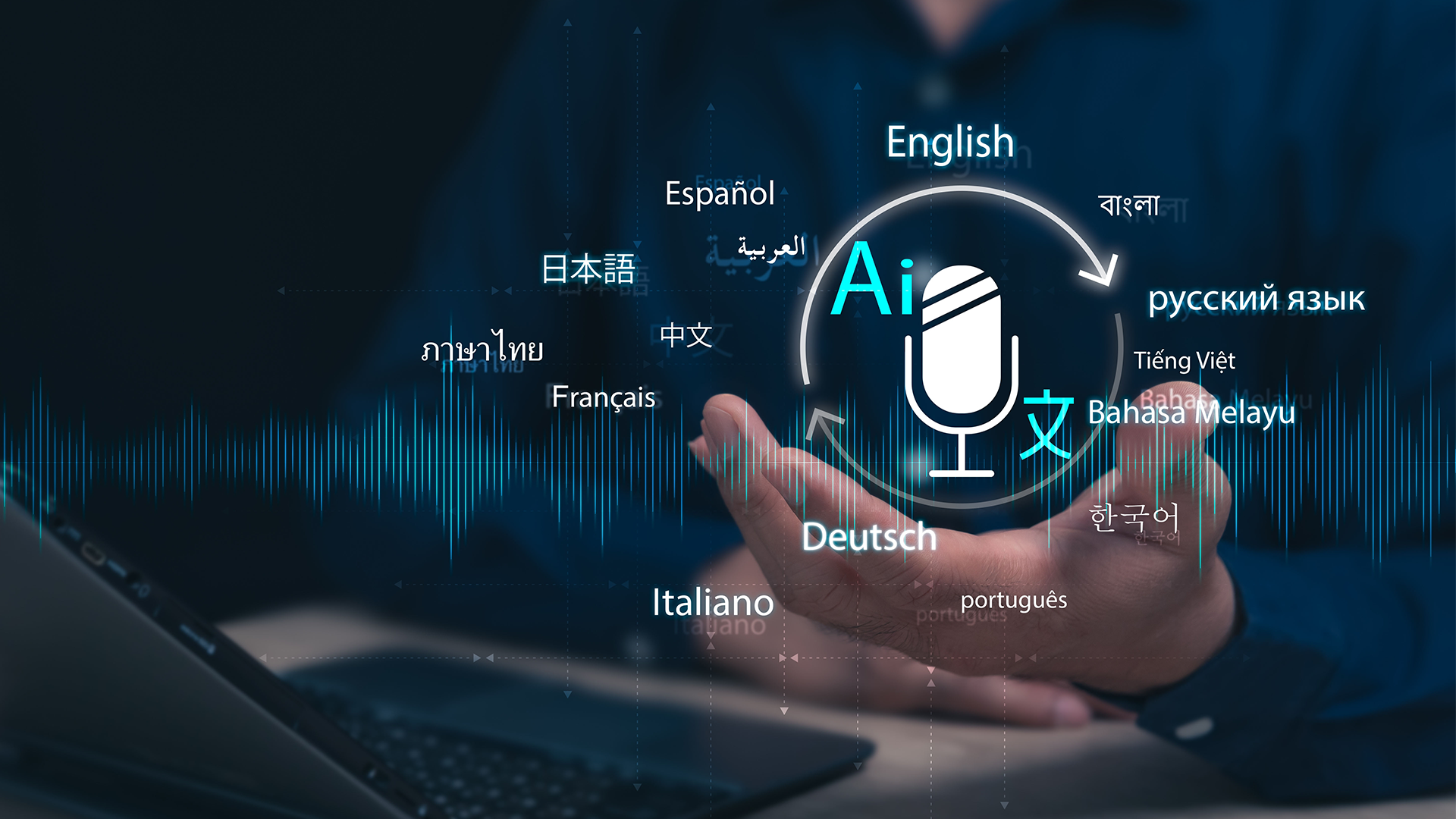
That's why turning to customized patent translation solutions makes such a difference. It begins with really digging into what the client needs: their sector, the countries they're targeting, and any unique hurdles. Then, you build a plan around that—maybe starting with advanced tools for rough drafts, but always looping in experts for the fine-tuning. Things like custom term databases ensure everything stays consistent, and real-time collaboration lets clients weigh in as things progress. This isn't rigid; it flexes for specifics, whether it's translating into Japanese for tech filings or French for European ones, all while baking in local laws to sidestep issues.
The upsides are hard to ignore. For starters, spot-on translations strengthen your IP hold, making it easier to break into new markets without fear of knockoffs. They also streamline the process, cutting down on revisions and speeding up timelines. Specialized setups can slash costs by up to 40% through smarter workflows and reusable elements, freeing up cash for what matters most: pushing forward with new ideas. In the end, it's about turning potential pitfalls into a solid advantage for growth.
For companies navigating this, partnering with seasoned pros like Artlangs Translation can be a game-changer. They've built their reputation over years, mastering translations in more than 230 languages while specializing in everything from general services to video localization, subtitle work for short dramas, game adaptations, multilingual dubbing for audiobooks and shorts, plus data annotation and transcription across languages. Their stack of successful projects and hands-on know-how means they craft solutions that fit just right, no matter how tricky the demands.